Nature
 PUBLISHED
 4
4



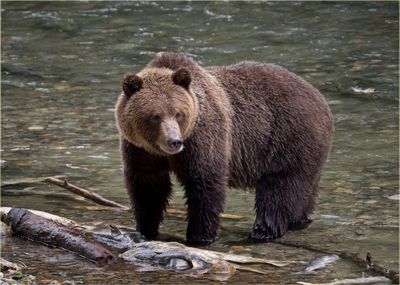


Walking in the Canadian wilderness, what do you think is the most dangerous animal you could come across? If you’re thinking grizzly bears, then you’d be wrong.
As towns and cities expand, people are coming into increasing conflict with the animals that remain in the wild. This is even occurring within national parks, as more and more people are seeking the outdoor world.
That's obviously a problem for both wildlife and humans, and so a new study has attempted to figure out not only what animals are most likely to cause harm but also what activities are most likely to provoke an attack.
Researchers from the University of York in the UK looked at a Parks Canada database of almost 3,500 reported animal incidents that occurred between 2010 and 2023. The reports included both the animals involved and what the people were doing when it happened.
To help narrow this data down, they focused on the five species that were most commonly involved in incidents, including bears and coyotes, and seven human activities ranging from walking to extreme sports.
What they found might come as a surprise.
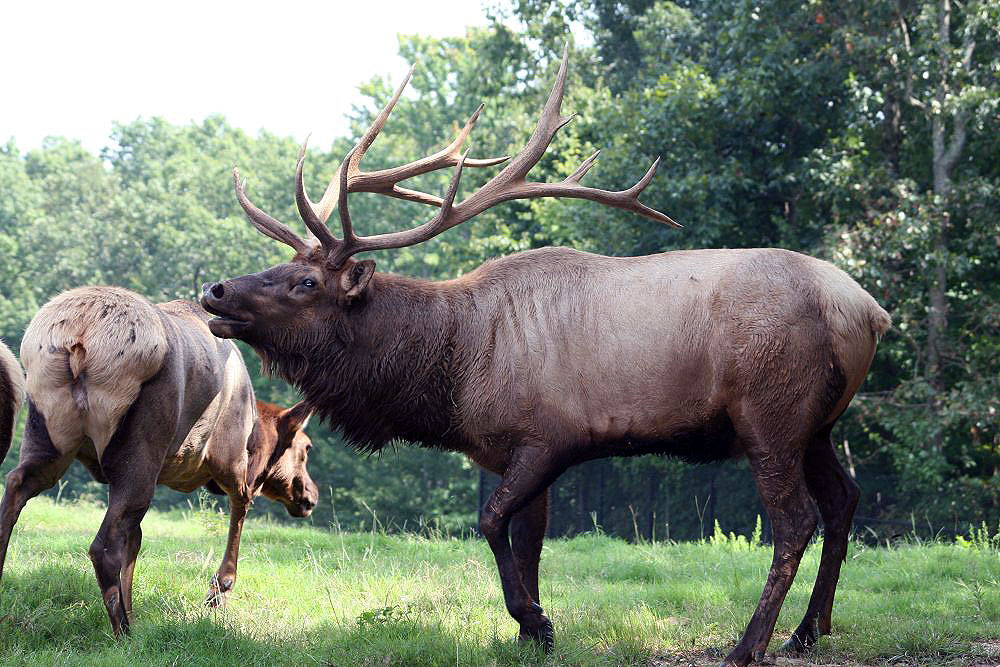
The data shows it isn't grizzly or black bears that are the biggest threat to people enjoying the national parks; it's actually elk (or wapiti, which aren't the same as moose, to anyone reading in Europe). The researchers found elk were involved in around 62 percent of all aggressive encounters recorded.
This was way ahead of all other animals, including grizzly bears, which were involved in 14 percent of encounters; black bears in 13 percent; mule deer in 7 percent; and coyotes, which were only involved in 3 percent of incidents.
When it came to which activities were most likely to provoke an attack, the results were again surprising. It wasn’t any of the more high-octane sports, but actually just walking.
“We found low‑impact activities were associated with the highest frequency of aggressive encounters, regardless of species,” said Holly Landles, a researcher at the University of York and first author of the study, in a statement.
This is probably because someone quietly walking through the wilderness is more likely to spook or surprise wildlife, which might then cause it to attack, especially if it has young.
“Now we can point to precise high‑risk pairings, such as elk visiting townsite areas or mule deer encountered during dog walking,” added Shashank Balakrishna, also at the University of York and senior author of the paper. “This allows park managers to focus resources, signage, and education where they are most needed.”
There are a few limitations to the study. The researchers say these are only reported incidents, so the true number of aggressive encounters might be underreported, while other data, including the sex of the animals, how many people were involved, or how long the activities were going on for, were also not recorded. This makes it a little tricky to pinpoint an exact chain of cause and effect.
Regardless, there are some easy precautions that people can take when out and about in nature.
“We recommend simple precautions,” says Landles. “Announcing yourself is a good idea, especially for grizzly bears. Taking whistles, talking, or hiking in larger groups can help, too. Keeping leashes short when large herds are present is simple but effective.”
“Ultimately, both people and wildlife lose during aggressive encounters. Our findings help us understand real patterns behind these encounters so we can reduce their frequency and help people and wildlife coexist more safely.”
And if you’re still worried about wild animals causing you harm, then you shouldn’t be. Studies have found that you’re far more likely to be injured by a dog than a bear.
The research had been published in the journal Frontiers in Conservation Science.