


 Health and Medicine
 PUBLISHED


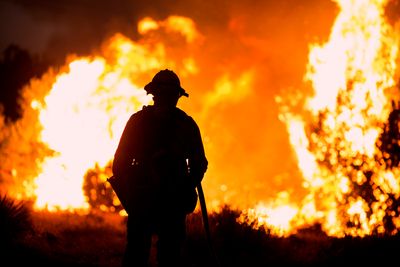


As the Palisades, Eaton, and Hurst fires continue to burn through large areas of Los Angeles, millions of people are likely to be affected by the smoke generated by these urban blazes. Yet while the dangers of forest fire emissions are well documented, the composition of metropolitan wildfire smoke is something that scientists are just beginning to understand.
Unlike landscape fires – which are fueled by trees and plants – urban fires burn through buildings, vehicles, factories, and a massive variety of consumer and industrial products, made of many different chemicals and materials. What’s more, because they by definition occur in populated areas, the smoke they generate poses an enormous and immediate threat to local communities.
In 2023, researchers from the US Environmental Protection Agency collated data from 28 separate analyses of the smoke released during urban fires, comparing these to the chemical composition of forest fire emissions. Results showed that both types of blaze released roughly similar levels of carbon dioxide, carbon monoxide, and fine particulate matter, all of which represent serious health concerns.
However, smoke from urban fires was also found to contain elevated concentrations of numerous other dangerous substances. Polycyclic aromatic hydrocarbons (PAHs), for instance, are a group of potentially cancer-causing chemicals with emission factors that were three orders of magnitude higher in urban emissions than those from woodland fires.
Naturally occurring in coal, crude oil, and gasoline, PAHs are also found in cigarette smoke and have been linked to blood and liver disorders.
Levels of other types of dangerous chemicals such as dioxins and furans, meanwhile, were five to six orders of magnitude higher in urban fire smoke than in vegetation-fuelled conflagrations. These substances have previously been shown to disrupt hormone regulation, inhibit fertility, and contribute to cancer.
Research has also found elevated concentrations of the toxic organic compounds benzene, toluene, ethylbenzene, and xylenes – collectively known as BTEX – in the smoke released by city-based fires. Also present in vehicle emissions and cigarette smoke, these nasty chemicals have been linked to cancer and autoimmune disorders.
Given the enormous diversity of materials found in metropolitan areas, it’s hardly surprising that fires such as those in LA would release such a complex combination of harmful chemicals, and the list certainly goes on. Phosgene, for instance, is produced when plastics burn and can cause lung damage and respiratory failure, while heavy metals like lead, chromium, cadmium, and arsenic are also released into the air during urban fires.
Ultimately, it’s hard to say exactly how severe the air pollution from the current fires will be or how this will impact people’s health, yet wildfire smoke is known to travel huge distances and affect populations thousands of miles away from its source. With climate change contributing to an increase in both the frequency and intensity of wildfires, the threat to public health looks likely to increase in the coming years.



 2
2