Culture and Society
 PUBLISHED


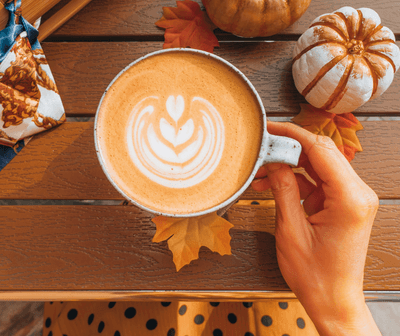


It’s almost that time of the year when there’s a welcome chill in the air, the leaves are starting to turn golden, and everything is inexplicably flavored with so-called “pumpkin spice”. But what is actually in this ubiquitous, seasonal spice mix? Spoiler: it doesn’t contain any pumpkins.
Pumpkin spice is a blend of spices, including cinnamon, nutmeg, ginger, and either cloves or allspice. Vanilla is sometimes added too to add an extra sweetness.
It was originally concocted as a flavoring for the filling of a pumpkin pie, hence its name, but it’s since been applied to all manner of food and drinks, including lattes, candy, cakes, pastries, pet food, cans of Spam®, “intimate lubricant”, and more. You name it, someone has probably pumpkin-spiced it (except condoms – that turned out to be a joke).
Chapman University states that traditional pumpkin spice contains roughly 340 distinct flavor compounds. To name just a few of these chemicals, cinnamic aldehyde delivers the familiar note of cinnamon, while eugenol captures the clove and allspice flavors. Nutmeg’s essence often comes from sabinene, ginger from zingiberene, and vanilla from vanillin.
Why is pumpkin spice popular in fall?
Ironically, the spices in this quintessentially autumnal blend come from tropical regions like Southeast Asia, which aren't exactly places associated with falling leaves, crisp mornings, and melancholic evenings. So why do we closely link pumpkin spice with fall? History might hold some answers.
In Europe, exotic spices were rare imports from distant lands and they came with a vast price tag; cinnamon was once worth more than gold. Since they were so costly, they were typically reserved for special feasts and celebrations around harvest time and winter holidays. Over time, their rich, warming aromas became embedded in cultural memory as the scents and flavors of the colder months, eventually giving us the “taste of fall” we now call pumpkin spice.
Psychologists believe that pining for pumpkin spice also has a lot to do with memory and emotion. Aroma and taste are incredibly emotive senses because there’s a strong neural pathway between the olfactory bulb – the brain structure tasked for processing smells – and the limbic system – a group of brain structures that regulate emotion, memory, motivation, and behavior.
This means that a passing whiff of pumpkin spice can instantly trigger vivid memories of past fall experiences and bring your mind back to autumnal times gone by.
“Pumpkin spice aromas emerge in the fall in shops and cafes, coinciding with the arrival of colorful leaves, family gatherings, and back-to-school bustle. The association that the smell has with the season in our memories allows it to powerfully evoke the refreshing feelings of fall,” Jason Fischer, a cognitive neuroscientist at Johns Hopkins University, said in 2021.
“We often long for the arrival of fall at the end of a hot summer, and our sense of smell can summon up the season early,” he added.



 1
1