Space and Physics
 PUBLISHED
 2
2


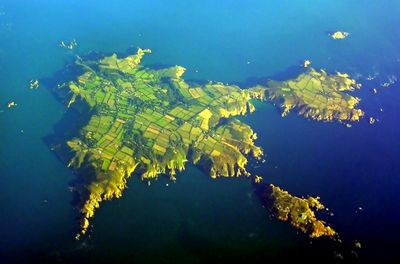


The island of Sark, which sits in the English Channel, is well-known for its quirks; you’re more likely to see someone there riding a horse than driving, thanks to a ban on cars. It has one unique trait that stands out, above the rest, however – back in 2011, it became the world’s first-ever Dark Sky Island. But what exactly does that mean?
Staying in the dark
Remember when it seemed like everyone and their uncle saw Aurora a couple of months back? That wasn’t entirely the case – some people living in places like large towns and cities had trouble making it out in the sky.
The reason? It may well have been down to light pollution and being designated a Dark Sky Island is in recognition of taking steps to tackle such a problem.
It’s one of a number of titles given out by the International Dark Sky Places (IDSP) program to “areas and communities around the world certified by DarkSky International to meet strict criteria for protection of the night sky and minimization of light pollution through responsible lighting policies and public education.”
To become a Dark Sky Place – there are Communities, Sanctuaries, and Reserves, to name a few – criteria include having a sky quality above a particular level of luminance (a measure of the sky’s brightness), where the area is (is it remote or well-populated?), and the level of access the public has at night.

Protecting the night sky
But what’s the point of such a certification? “The night sky and nocturnal environment are naturally, culturally, and historically important resources worthy of conservation,” says DarkSky, the organization running the program.
As anyone who missed out on the aurora can bear witness to, one of the issues that come from avoiding conservation is missing out on seeing the night sky, a long important part of human culture that’s helped us to navigate, understand more about our universe, and give us something rather pretty to look at.
Then there’s the impact that light pollution has on Earth’s ecosystems. Chad Moore, who co-founded the US National Parks Night Skies Program told DarkSky: “When we add light to the environment, that has the potential to disrupt habitat, just like running a bulldozer over the landscape can.”
It’s a problem that’s becoming all the more apparent with reports of birds flying into brightly lit buildings, leaves becoming harder for insects to eat, and turtle hatchlings losing their way on their journey to the sea.
By creating dark sky oases and incorporating public access and education as part of that, it’s hoped that greater attention will be brought to the threats facing successful conservation, and see-it-yourself examples of why protection is so important.
To learn more about how astronomers are stepping up to protect the night sky, check out IFLScience’s exclusive interview with key figures at the 32nd General Assembly of the International Astronomical Union.