Space and Physics
 PUBLISHED




There are 118 elements in the periodic table. Everybody knows calcium is the stuff in milk and bones, chlorine goes into swimming pools, and helium floats balloons. But, besides sitting in some scientist's cupboard, what’s the use of molybdenum, antimony, or gallium?
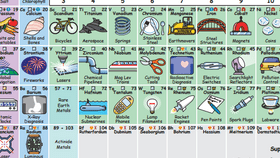
Keith Enevoldsen has created an interactive periodic table that shows the everyday applications of all the known elements, except for the superheavy elements, which are short lived, don’t exist in nature, and are only really used in atomic research.
Take, for example, strontium. Other than being a distant memory of a chemistry lesson, this alkali Earth metal (just like calcium and magnesium) is a common component in red fireworks and flares. It’s also used in clear batteries and medical diagnostic tracers.
There’s also a downloadable PDF of the table, which makes for the perfect teaching tool. It doesn’t look too overwhelming to kids, while containing the key features of a conventional periodic table. Alternatively, you can buy it in poster form from an online store if you're in need of a new wall hanging.
Head over to Enevoldsen’s website elements.wlonk.com for the full interactive map. Here's a small sneak preview of it: