Nature
 PUBLISHED
 3
3


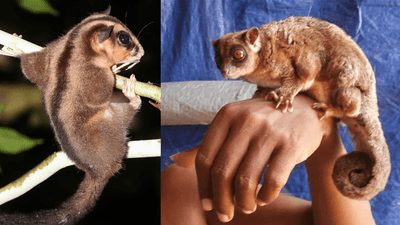


To any celebs who’d like some tips on how to avoid the paparazzi, you might want to speak to the pygmy long-fingered possum and the ring-tailed glider. Turns out these two critters are so good at avoiding detection that scientists thought they’d been extinct for the last 6,000 years – until researchers recently found them alive and well in the remote rainforests of New Guinea.
Prior to this, the two marsupials were only known from fossil specimens; for the possum, dubbed Dactylonax kambuayai, these hailed from Pleistocene-era Australia, while the glider, Tous ayamaruensis, was known from Pleistocene-early Holocene New Guinea. Both vanished around the same time.
The pygmy possum has a stripe down its back and an unusually long fourth finger, twice as long as the rest of its digits, that it uses to extract insect larvae that bores down into wood. It was last known to have lived in West Papua around 6,00 years ago. The ring-tailed glider is the first new genus of marsupial described in New Guinea since 1937.
Thanks to a combination of photographs taken by local researchers, fossil fragments, a rare specimen collected back in 1992, and working closely with local Elders, the two species were found to be living on the island’s Vogelkop Peninsula.
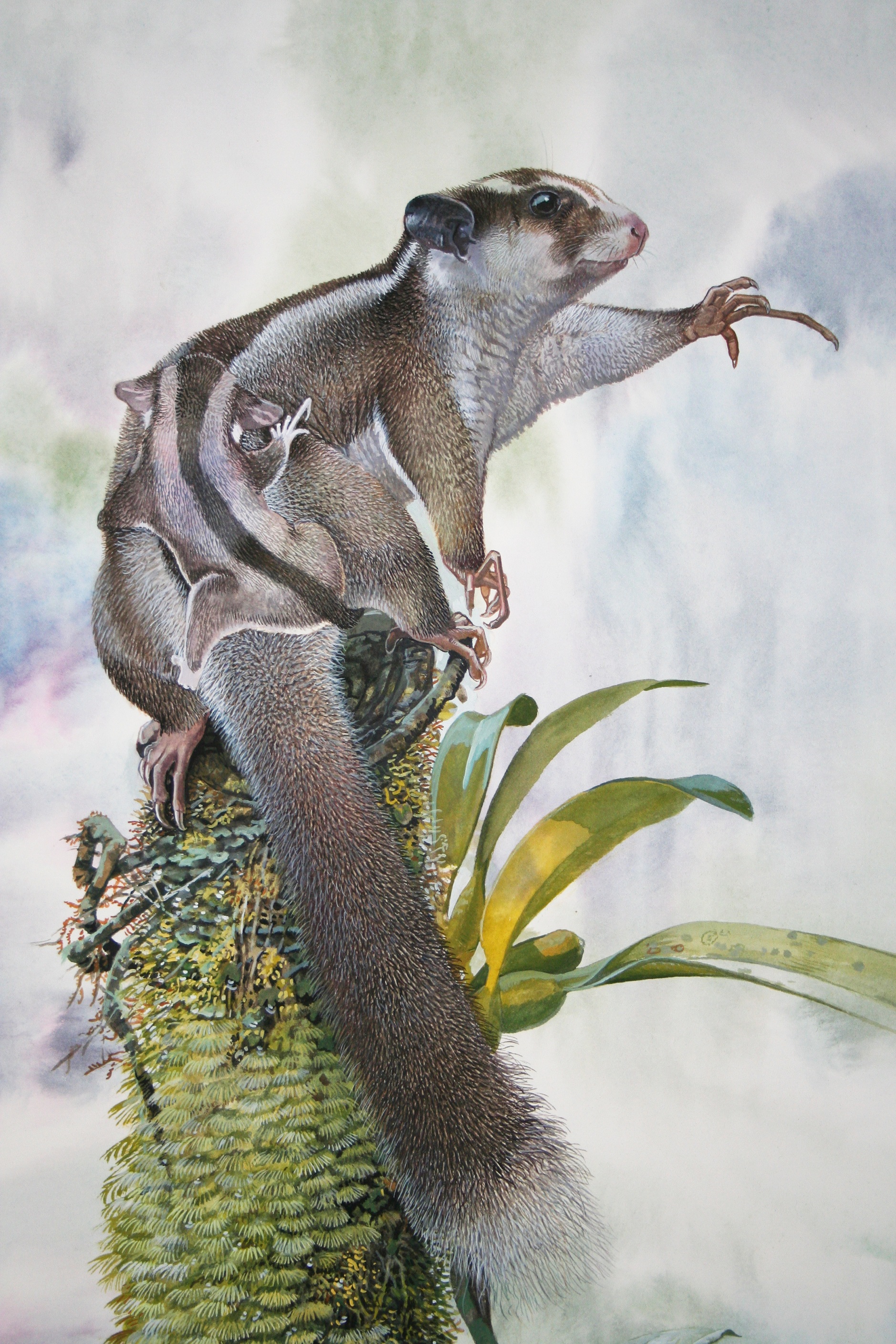
The relationship between the researchers and local people was important to this rediscovery, particularly for the glider – the closest living relative of the Australian greater glider.
“Referred to locally as Tous by some Tambrauw and Maybrat clans, the glider is a sacred animal. Considered a manifestation of ancestors’ spirits and central to an educational practice referred to as ‘initiation’,” said Rika Korain, a Maybrat woman and co-author of the paper describing the rediscovery, in a statement. “We worked very carefully and collaboratively with Tambrauw Elders and identification would not have been possible without cooperation with Traditional Owners and this connection has been essential for ongoing work.”
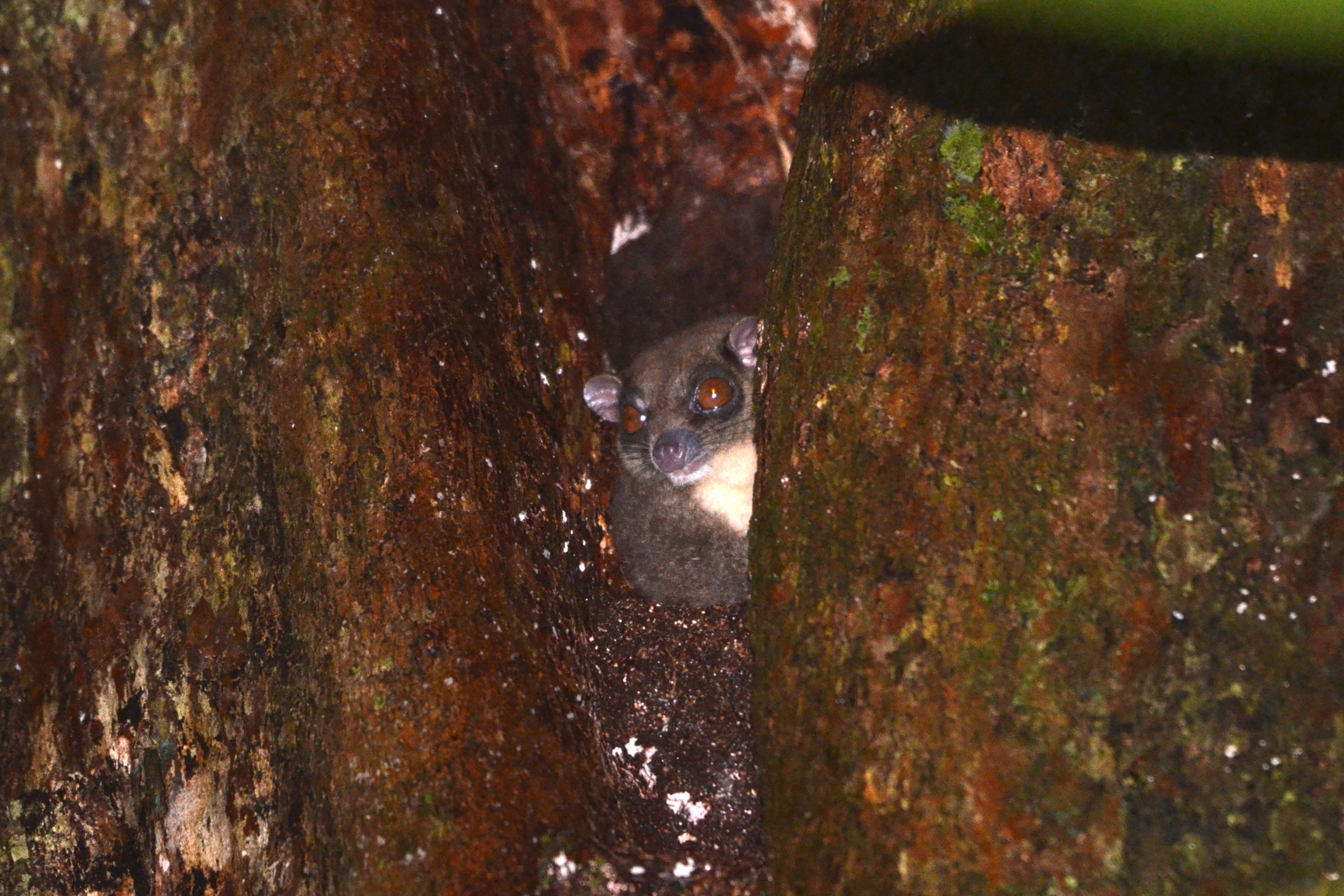
The return of both glider and possum from the apparent “dead” has earned them membership to the “Lazarus taxa” – species that were thought to be long gone, only to be rediscovered.
“The discovery of one Lazarus taxon, even if thought to have become extinct recently, is an exceptional discovery. But the discovery of two species, thought to have been extinct for thousands of years, is remarkable,” said Professor Tim Flannery, who co-led the research.
The two rediscovered species have no close relatives elsewhere on New Guinea, which begs the question of how they ended up on the island. The possible answer requires us to peer back deep into the region’s geological history. As Flannery explained, "The Vogelkop is an ancient piece of the Australian continent that has become incorporated into the island of New Guinea.”
With that being the case, there’s a chance for more Lazarus creatures to be rediscovered on New Guinea, according to the researchers. “Its forests may shelter yet more hidden relics of a past Australia," said Flannery.
But to even have the chance of finding such relics – and crucially, to ensure the future survival of pygmy long-fingered possum and ring-tailed glider – will require action.
The conservation status of both species isn’t yet clear, but both appear to have a limited distribution, which makes them vulnerable to threats such as logging and forest conversion – both of which are increasing problems in New Guinea, alongside the wildlife trade. In the papers describing their findings, the researchers conclude by calling for urgent action to be taken to survey and protect the possum and glider.
After all, it’d be pretty embarrassing to discover something wasn’t extinct after all, only for humanity to drive it to extinction immediately after. If nothing else is bad form, that definitely is.
Both studies are published in the Records of the Australian Museum: the paper on D. kambuayai can be found here and the paper on T. ayamaruensis here.