Humans
 PUBLISHED
 3
3


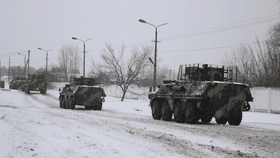


Ukraine faces fresh radiation risk and assessment as the Russian military damaged two nuclear waste facilities over the weekend. While officials report that it’s not yet been possible to properly assess the scale of the damage, preliminary checks appear to indicate there’s no immediate threat to the public.
This attack amidst the invasion comes after military vehicles are believed to have caused radiation levels to have spiked after disturbing dust surrounding the infamous Chernobyl Nuclear Power Plant.
A missile strike at the site of a radioactive waste disposal facility, the Kyiv branch of the State Specialized Enterprise "Radon", was reported to the International Atomic Energy Agency (IAEA) on Sunday, February 27, by the State Nuclear Regulatory Inspectorate of Ukraine (SNRIU).
Staff at Radon were able to shelter during the mass shelling at the site, the SNRIU stated on Facebook, where automated radiation monitoring systems temporarily went offline. According to the IAEA, these have since come back online and workers on-site expect to carry out on-site monitoring to better assess the situation.
On Saturday, the city of Kharkiv also suffered damage at a nuclear waste burial site as an electrical transformer was knocked out in the conflict. While neither site stores high-level radioactive waste, they both constitute a risk to public health should they come under further attack from the Russian military.
“These two incidents highlight the very real risk that facilities with radioactive material will suffer damage during the conflict, with potentially severe consequences for human health and the environment,” Director general of the IAEA Rafael Mariano Grossi said of the attacks.
“Once again, I urgently and strongly appeal to all parties to refrain from any military or other action that could threaten the safety and security of these facilities.”
With atomic energy constituting around half of Ukraine’s power, Bloomberg reports the IAEA’s board of governors plan to meet this week in Vienna to discuss the developing and grave situation brought on by the Russian invasion.