


 Nature





While wind turbines are an incredibly useful tool in the fight against climate change, there is always going to be some environmental or ecological impact. Bird strikes are one known problem, and now researchers have come up with a nature-inspired plan to tackle them.
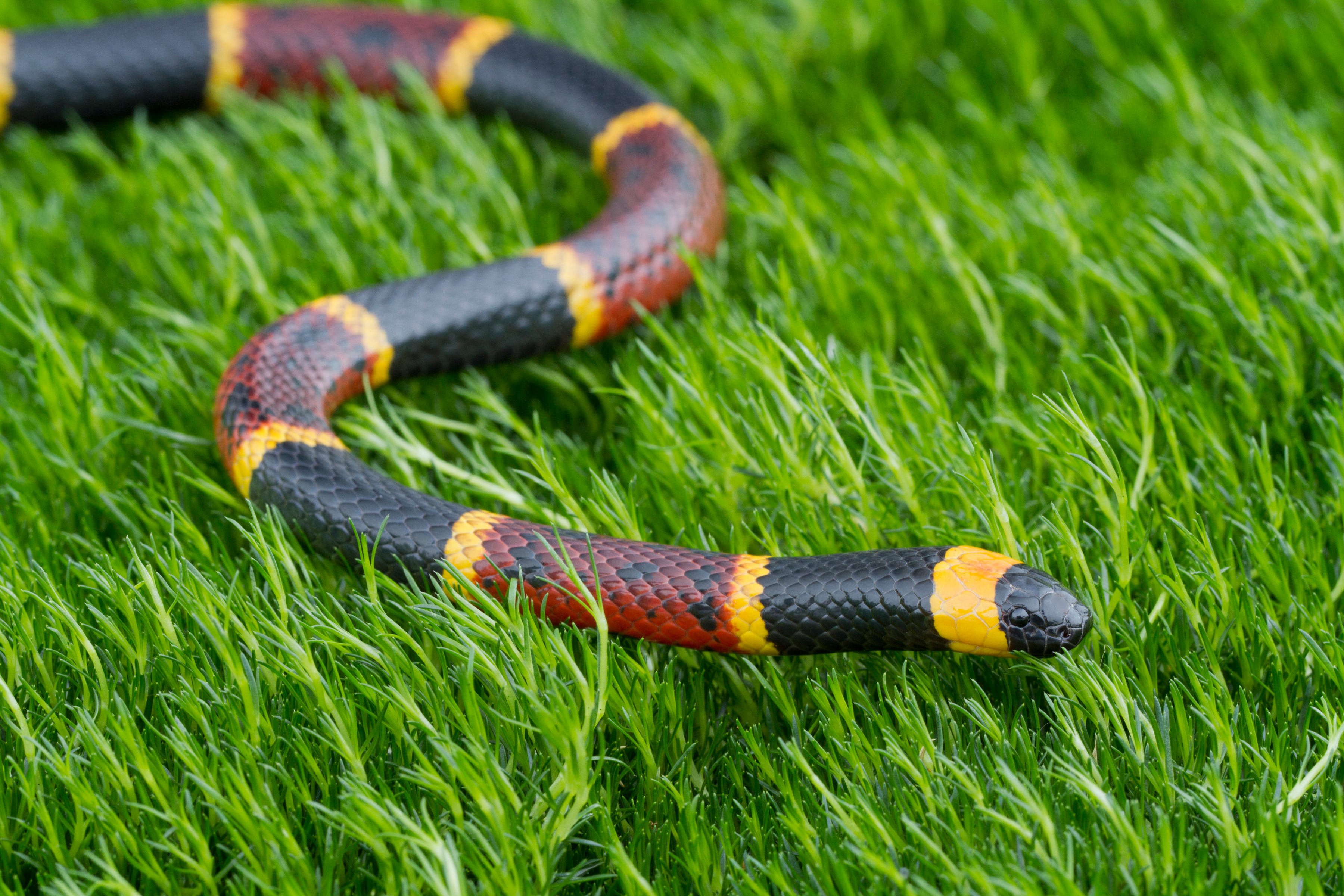
Many toxic species in nature warn other animals against eating them through a combination of bright colors and striking patterns. These can be learned by predators, helping them to avoid snacking on bad-tasting or poisonous flesh. Drawing inspiration from these patterns, a research team decided to test whether wind turbines painted in different colors and patterns from nature would reduce bird strike rates.
The starting point for this idea was that in nature, many animals use colors to warn predators of danger. “Often, the tendency to avoid certain color combinations is genetic – colors are avoided even if there is no previous experience with them,” says Johanna Mappes at the University of Helsinki in a statement.
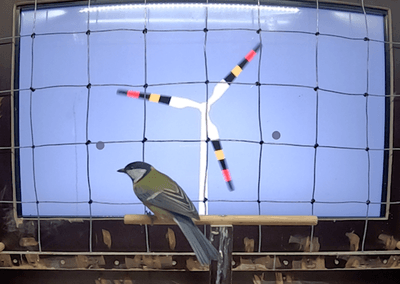
To test if their idea would work, the team devised an experiment using a special touchscreen that birds could interact with. Great tits (Parus major) were caught and used as a model in the experiment. The screen had mesh in front of it to allow the birds to climb around the screen and tap it with their beaks.
The team used four turbine designs in the experiment: all white, two red stripes, a single black blade, and a biomimetic design that featured a red, yellow, and black striped pattern.
Before the experiment could take place, the birds were trained to peck at a gray dot on the screen in exchange for food rewards, through a series of graduated steps. Ten of the 32 birds caught for the experiment didn't finish all the training and were released.
The birds then had to peck on the gray dot within a 2-minute time frame while the wind turbines were displayed on the screen rotating at four different speeds, starting with the turbine not moving. Once the dot was clicked, the screen changed to gray and the birds were rewarded with food.
The team found that the birds failed to approach, or took the longest time to peck at the screen, when it displayed the biomimetic wind turbines.
“We’ve known for a long time that birds change how they respond to objects with warning colours, but to see such a large effect was remarkable!” said George Hancock at the University of Exeter, UK.
While this is only one study, the white blades were shown to be the worst option for the birds. It suggests that a simple change could make a big difference in terms of bird strike mortality.
“Painting turbines presents just one example in a suite of strategies that can be used to help birds, such as positioning turbines away from key migration routes or using computer-operated cameras to instruct turbines to turn off when a bird approaches,” said Hancock.
The paper is published in Behavioral Ecology.




 1
1