Health and Medicine
 PUBLISHED



Across the US, “hot spots” of parents choosing not to vaccinate their children are on the rise and it is creating a risk of disease outbreaks that would otherwise be preventable.
In 18 states, non-medical exemptions (NMEs) allow for parents to easily opt-out of childhood vaccinations for “philosophical beliefs”. Researchers at several Texas academic centers analyzed public health data and compared the rates of NMEs against rates of MMR in kindergarteners. They found states with higher rates of NMEs also had higher rates of MMR, attributing the cause of this increase to a social movement opposing public health vaccinations.
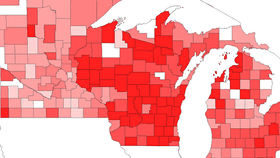
Major metropolitan areas in the Pacific Northwest, Texas, Utah, Arizona, and rural counties in Idaho, Wisconsin, and Utah. Since 2009, researchers also found an increase in the number of NMEs in at least 12 of these states with several metropolitan “hot spots” standing out. According to the 2015 National Immunization Survey, researchers found that less than a quarter of children aged 19 to 35 months in the US were fully vaccinated per national guidelines.
Anti-vaccinators are more concentrated in major metropolitan areas making cities here more vulnerable to diseases that would otherwise be prevented by vaccinations. Such was the case in 2015 when a measles outbreak in southern California led to a ban on non-medical exemptions in the state – and legislative moves are exactly what the study authors are prescribing.
"Our concern is that the rising [non-medical exemptions] linked to the anti-vaccine movement in the US will stimulate other countries to follow a similar path,” said the researchers in their study, emphasizing that protecting children from highly-infectious diseases require a 90-95 percent vaccination rate. (If you want to know how herd immunity works, this gif is brilliant).
In several European countries, including France and Italy, as well as Australia, governments have taken measures to make vaccinations compulsory or even fine parents who refuse to do so. The authors say that unless the US follows suit, other low- and middle-income countries may hop on the bandwagon. In such a cause, “we could experience massive epidemics of childhood infections that may threaten achievements made."
You can find out how your state stacks up by reading the study published in PLOS.