Space and Physics
 PUBLISHED
 3
3


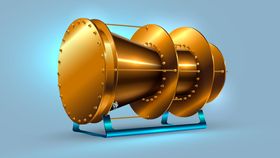


4 years ago, a radical new engine design produced by NASA made waves in science by reportedly creating thrust without using any fuel. The so-called EmDrive was built and tested at NASA’s Eagleworks Laboratories and, despite essentially defying the laws of physics, it supposedly produced thrust purely from electricity, with their results being published in a dubious peer-reviewed piece.
The hype was immense – media outlets rushed to cover it, suggesting the device might actually work despite skepticism, and China even began work on their own version.
Sadly, ever the bearer of bad news, a new report suggests the EmDrive may not work after all.
In a demystifying series of 3 studies (Study 1, Study 2, and Study 3) published in the Proceedings of Space Propulsion Conference 2020, researchers from the Dresden University of Technology have tested the proposed EmDrive and found that the results published previously may have not been the EmDrive producing thrust, but instead, an artifact resulting from heat produced by the device.
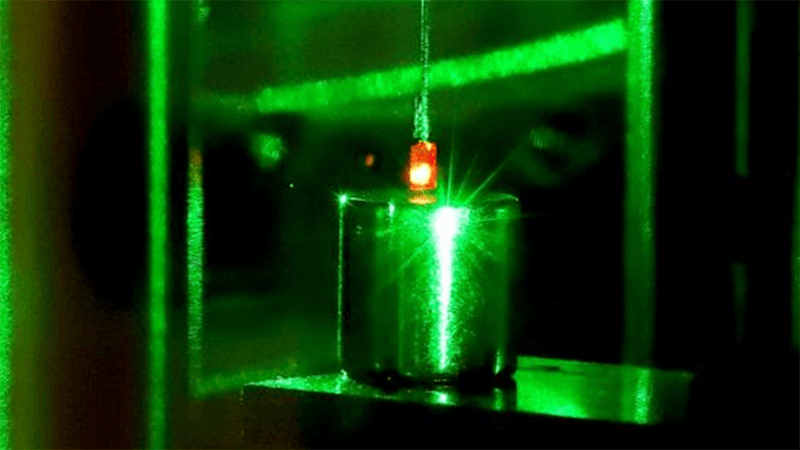
“With the aid of a new measuring scale structure and different suspension points of the same engine, we were able to reproduce apparent thrust forces similar to those measured by the NASA-team, but also to make them disappear by means of a point suspension,” said Professor Tajmar, speaking to German media outlet GreWi.
“When power flows into the EmDrive, the engine warms up. This also causes the fastening elements on the scale to warp, causing the scale to move to a new zero point. We were able to prevent that in an improved structure. Our measurements refute all EmDrive claims by at least 3 orders of magnitude.”
The classical EmDrive is a concept device that supposedly reflected microwaves within the device to produce thrust, using just electricity and requiring no fuel. It quickly gained the nickname ‘The Impossible Engine’ because the drive simply does not make sense under our current understanding of the conservation of momentum, among a slew of other important physics laws.
Certainly not enough to send a rocket to space but if it were possible to scale it up, it could be used for deep space propulsion without having to use any fuel.
While the results still aren’t conclusive proof it does not work, it certainly casts a large amount of doubt over the possibility of fuel-less thrust from EmDrive. Many will be disappointed, but this is what science is truly about – reporting findings and peers reproducing the results, hoping for similar outcomes. Sometimes, this leads to even greater discoveries, and with the improved testing equipment gained from these studies, it appears possible this will be the case.