Nature
 PUBLISHED
 17
17


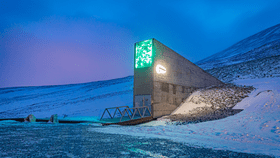


The Doomsday Vault is opening its doors to receive new offerings from gene banks this week. Carved into the Arctic landscape, the Svalbard Global Seed Vault – as it’s more officially known – is home to the world’s largest collection of agricultural biodiversity.
It was created with a goal to secure the world’s food sources by offering safe, free, and long-term storage for seed gene banks across the globe. Its icy location is crucial to this aim, representing a storage space that’s comparatively cold (though not free from climate change) compared to the seedbanks in the Southern regions where most of its collection hail from.
The fresh gluts of seeds are arriving from gene banks from Sudan, Uganda, New Zealand, Germany, and Lebanon, reports Reuters, adding to the vault’s existing collection of over 1.1 million seed samples representing around 6,000 plant species.
The vault only opens a handful of times each year in an effort to protect its contents from the outside world. As such, this delivery represents an exciting entry in the Doomsday Vault’s diary.
Varieties expected to join the expansive seed collection in Svalbard include millet, sorghum, and wheat, which will serve as back up supplies for the original gene banks. Despite its rather Hollywood nickname, the vault is predominantly focused on maintaining plant genetic diversity to ensure the world’s future food supply.
The latest addition of wheat to the vault will be crucial here as it is one of three main crops that make up over 40 percent of the world’s calories. The other two are maize and rice.
“While there may be a role for the Seed Vault in the event of a global catastrophe, its value is considered to lie much more in providing back-up to individual collections in the event that the original samples, and their duplicates in conventional gene banks, are lost due to natural disasters, human conflict, changing policies, mismanagement, or any other circumstances,” reads the Svalbard Global Seed Vault’s website.
That said, the vault isn’t without its applications in the event of a global disaster in providing a safe haven for Earth’s botanical species should something go awry topside. The idea even inspired researchers from the University of Arizona who went one step further in suggesting that the Moon might be a good spot for creating a repository of life.
Our cool and calm Moon wouldn’t be the worst place, granted, with lava tubes that mimic the Svalbard Vault, only this time at a distance the climate crisis can’t quite reach. But did they consider the risk of Moonfall?
[H/T: Gizmodo]