Culture and Society
 PUBLISHED



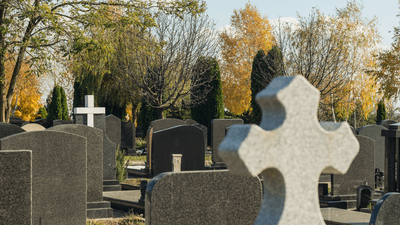


We are fortunate to live in a time where we have so much choice after death. Burial, cremation, aquamation, sky burial, and human composting – the list of "ways to go" goes on, and it’s been changing all throughout our history. Just look at the funerary practice of residential burial.
Today, there are very few cultures – particularly in the West – that inter their dead within or near the family home. There is, however, documented evidence of this funerary practice from societies all across the globe. So, when did it fall out of fashion?
The most surprising discovery was how common residential burial was across the archaeological record
Sabina Cveček
It’s remained something of a mystery, one tackled in a recent study led by archaeologist Dr Sabina Cveček at the Field Museum in Chicago.
A leading theory, says Cveček, was that burying your dead became a way of marking your territory once humans started settling down. Could it be, then, that our openness to sharing the home with deceased ancestors rested on how often people in a given society moved around?
Ethnography vs. archaeology
To get to the bottom of it, Cveček and colleagues looked to the ethnographic and archaeological records and noticed something interesting: they painted a very different picture of the popularity of residential burial.
Ethnography is a kind of qualitative research in which anthropologists immerse themselves in different cultures to get an idea of how they function from the inside. As such, they only go back as far as the study of anthropology itself, which is just a few hundred years old.
Based on an ethnographic dataset of 53 different communities around the globe where there was evidence of some kind of mortuary practice, 21 percent partook in residential burial. That number seemed low, so the team looked to archaeological evidence that could go back much further in time.
It challenges the idea that the home was only a place for the living
Sabina Cveček
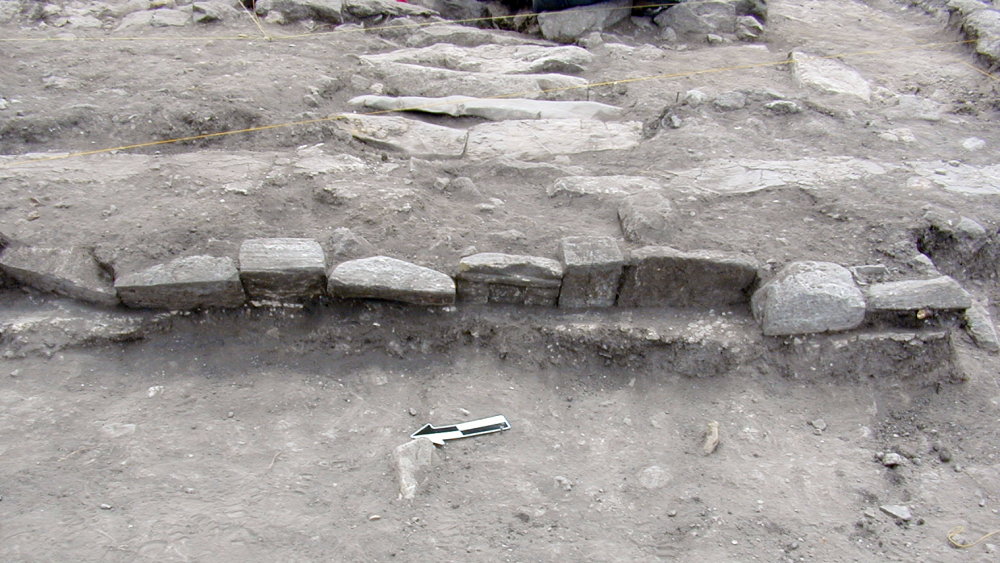
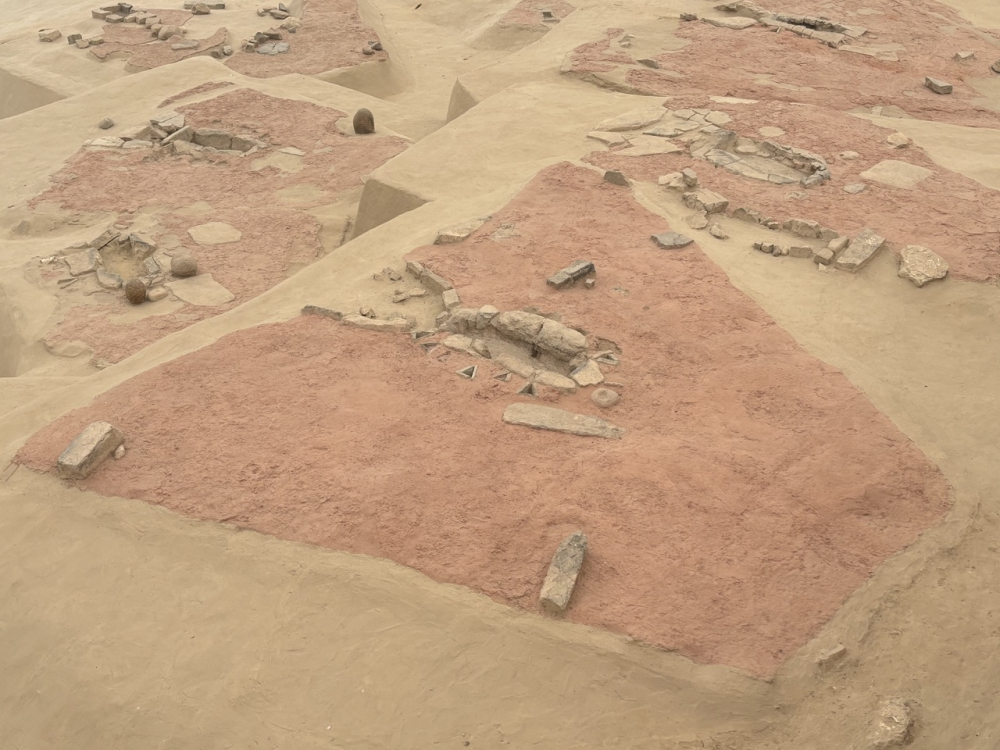
When they looked at data representing 42 different sites across the globe, the proportion practicing residential burials rose to 43 percent. That is, just under half of the archaeological sites included some family members buried within or around the home.
This, says Cveček, was also unexpected.
"Relationships with the dead"
“The most surprising discovery was how common residential burial was across the archaeological record,” she told IFLScience. “We found that burying the dead in or near houses wasn't an unusual practice but a widespread way of keeping ancestors physically connected to everyday life.”
“It challenges the idea that the home was only a place for the living—it was also a place for memory, identity, and relationships with the dead.”
The data also revealed that the permanence or transience of a society wasn’t a good indicator of the likelihood of residential burial. This flies in the face of theories that settling down was connected to the funerary practice, so why did the dead move out of the family home?
Colonization and spread of organized religions eventually came to overpower traditions of burying people in and around the house
Sabina Cveček
Here, says Cveček, we need to look at how humans have moved around the globe.
The cemetery spread
“Colonization and spread of organized religions eventually came to overpower traditions of burying people in and around the house,” she said. “This has been documented in many regions of the world.”
“For example, among the Guna (also known as Cuna or Kuna), the Indigenous Peoples of today’s Panama and Colombia, Henry Wassén observed in 1947 that they buried their dead inside houses, sometimes marked with simple cement slabs. A home could contain several burials before families moved and built a new one, while the deceased received grave offerings.”
“Today, Guna communities generally use cemeteries located outside settlements, which is the result of colonization and the spread of Christianity in the region.”
While a strong influence, colonization doesn’t explain all of the notable shifts in funerary practices the team observed. In fact, their data revealed changes that occurred well before the colonial era.
As such, many unanswered questions remain over what inspires a society to change where it buries its dead. A fitting conclusion, perhaps, given our species’ dynamic and complex preoccupation with death.
The study is published in the journal American Antiquity.