Health and Medicine
 PUBLISHED
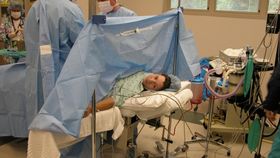


Children born by Cesarean section may be more likely to develop chronic diseases later in life, warns new research. The study, published in British Medical Journal, is calling for further research to understand why cesarean-born children have a higher risk of developing obesity, asthma, and diabetes.
A Cesarean section—also known as a C-section—is an operation where a surgeon makes a cut in the woman’s abdominal wall and uterus to deliver a baby. C-sections are sometimes performed in medical emergencies to save the baby and/or the mother’s life. Dubbed by the media as ‘too posh to push,’ a growing number of women—including high-profile celebrities—are now choosing to have a C-section. The rate of C-sections in the U.S. is more than double what the World Health Organization (WHO) recommends. The ‘medically necessary’ target is 10% to 15%, but the U.S. rate stood at 32.7 percent in 2013.
Researchers reviewed the current evidence that linked infants delivered by C-section to chronic disease. This included observational studies and large clinical trials. Researchers were ‘concerned’ with what they found.
"It is clear that cesarean-born children have worse health, but further research is needed to establish whether it is the cesarean that causes disease, or whether other factors are at play,” said study author Jan Blustein, from New York University's Wagner School, in a statement.
She added: "Getting definitive answers will take many years of further research. In the interim, we must make decisions based on the evidence that we have. To me, that evidence says that it is reasonable to believe that cesarean has the potential for long-term adverse health consequences for children."
Blustein suggests that the research is not “widely known” and calls for a change in the information distributed to clinicians and patients. With the effective dispersal of these findings, Blustein hopes midwives and patients can “weigh the risks and benefits” so they can make an informed choice on elective C-sections.
Image credit: Tammra McCauley