Ad

nature-iconNature
clock-iconPUBLISHEDMay 7, 2015

How Do Trees Know When It's Spring?

Stephen Luntz headshot

Stephen Luntz

Stephen has degrees in science (Physics major) and arts (English Literature and the History and Philosophy of Science), as well as a Graduate Diploma in Science Communication.

Freelance Writer

Stephen has degrees in science (Physics major) and arts (English Literature and the History and Philosophy of Science), as well as a Graduate Diploma in Science Communication.View full profile

Stephen has degrees in science (Physics major) and arts (English Literature and the History and Philosophy of Science), as well as a Graduate Diploma in Science Communication.

View full profile
article image
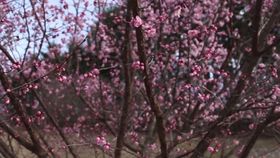
The Atlantic. Spring blooms are beautiful, but how do plants get the timing right?

Plants' capacity to revive after winter is one of the most important factors in temperate and subarctic ecosystems. But how do they do it?

The rest of this article is behind a paywall. Please sign in or subscribe to access the full content.

“Most people think it gets warmer, we all learn this in grade school,” says Scott Aker. “And the buds start coming on the trees.” However, as he goes on to explain, the development has more to do with the length of the night, rather than the temperature.


The Atlantic.

Nevertheless, temperature matters too. As Aker further expounds, “If you suddenly get cold, those buds get the signal to hang way back.” Sometimes, when temperatures and day length get out of whack trees can be confused, interfering with the process of blooming and fruiting for the year.


Written by 

Add us as a Google preferred source to see more of our
trusted coverage in Search