Space and Physics
 PUBLISHED


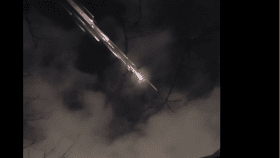


Residents in the Seattle area were treated to a spectacular light show in the sky last night as the suspected second stage of the SpaceX Falcon 9 rocket broke apart and burnt up in the atmosphere. The debris was supposed to enter deorbit burn following the March 4 Starlink launch, but failed and entered the atmosphere 22 days later in the early hours of March 26, where it created a stunning multi-colored display.
Watchers took to social media to share their images and videos of the debris as it traveled across the night sky.
According to the various users, the debris was spotted soaring over Oregon, with images coming in from Portland, Forest Grove and Cornelius. There are currently unconfirmed reports that some touched down on Vancouver Island, although this is unlikely.
Confused by the sudden flashes of colour, many were speculating about what the objects could possibly be. Some attributed it to a meteorite, while others – predictably – came up with some more other-worldly theories.
Unfortunately, although it may look alien, the debris has Earthly origins. Twitter user Jonathan McDowell, astronomer at the Center for Astrophysics, quickly dispelled the rumours and explained the likely cause.
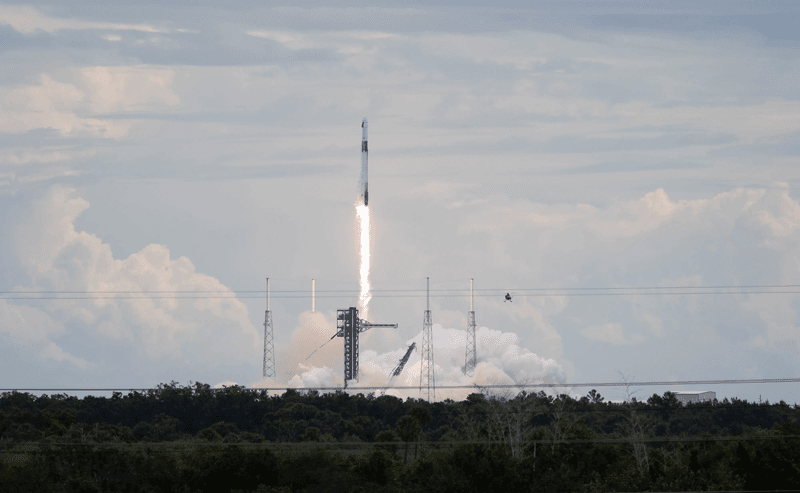
In the midst of repeated launches from NASA and SpaceX in recent times, the debris appears to be linked to a March 4 launch of the Falcon 9 rocket from SpaceX. Loaded with a huge payload of 60 new satellites for the deployment of their new Starlink broadband system, a Falcon 9 rocket launched from the Kennedy Space Center at Cape Canaveral and successfully delivered the satellites to orbit before landing on a droneship just 8.5 minutes later (although it did subsequently burst into a firey ball). The launch was a resounding success for the reusable rocket, with all stages separating and the first stage returning back to Earth before landing autonomously. However, the second stage failed to initiate deorbit burn – that is, a firing of engines to release itself from orbit and re-enter the atmosphere – and remained in orbit.
While it was spectacular, this event was not necessarily unique. As McDowell continued to explain, this piece of flying space junk was one of many that have fallen since the year commenced.
With a fierce space race ongoing between nations and private companies, looking upwards may be in your best interest. March and April will see multiple launches from India’s Satish Dhawan Space Center, Boeing's Starliner crew capsule test, and the Russian Soyuz rocket launching on April 9 to carry crew members up to the International Space Station.