Space and Physics
 PUBLISHED

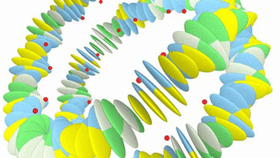


The way A, T, G, and C are arranged in the DNA double helix determines how proteins are produced in the body of multi-celled organisms like us. And now, physicists have confirmed that there’s a second layer of information in DNA. In addition to the genetic information, we’re also determined by the mechanical properties of DNA. The findings are published in PLOS ONE this week.
Those same four letters are found in all our different cells within all our different organs. Since the 1980s, researchers have proposed that a second layer of information sits atop the genetic code: mechanical cues that determine how the information is folded. DNA molecules are much, much longer than the cells that hold them. In every one of our cells, there are 2 meters (6.5 feet) of tightly wrapped, highly compacted DNA molecules – fundamental packaging units called nucleosomes. The way the genetic material is bent and folded determines how the letters are read, and subsequently, which proteins are produced. That way, only the relevant parts are read in our different organs.
According to that theory, this folding is determined by mechanical information written into DNA molecules. To investigate this second layer of information, a team led by Leiden University’s Helmut Schiessel created computer simulations of DNA strands folding with mechanical cues that were randomly assigned. These mechanical cues did, in fact, determine how the DNA molecule is folded into nucleosomes, the team said in a statement. They found correlations between the mechanics and the actual folding structure in the genome of baker’s yeast (Saccharomyces cerevisiae) and fission yeast (Schizosacharomyces pombe).
Two layers of information also means that genetic mutations would have two effects: The letter sequence that codes for specific proteins can change, or the way DNA is folded can change. The latter would alter how DNA is packaged and its accessibility – which would change how often specific proteins are produced.