


 Culture and Society
 PUBLISHED


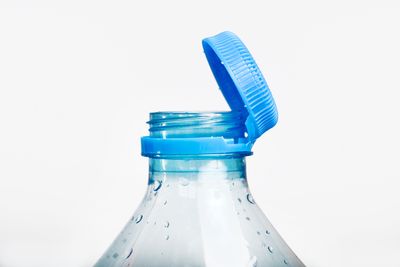


Over the last few months, a small but pretty noticeable change has been creeping into plastic bottles across Europe. No longer is it as easy to throw away the lid: it’s now tethered to the bottle, and it’s all part of preparing for a new rule that’s about to come into force in the European Union (EU).
According to the new EU directive, companies are only allowed to sell single-use plastic products with caps and lids – like a drinks bottle – “if the caps and lids remain attached to the containers during the products’ intended use stage.”
It’s part of a plan to reduce plastic waste, with the EU saying that “caps and lids made of plastic which are used for beverage containers are among the single-use plastic items that are found the most on beaches in the Union.”
That probably won’t come as much of a surprise to anyone who’s ever had a drink out of a plastic bottle – we’ve all lost the lid at some point, and they don’t just disappear into the void. By keeping the lid attached to the bottle, it’s hoped that both will end up being recycled instead of polluting the environment.
The rule was first announced back in 2018, and it didn’t seem to go down too well with the giants of bottled drinks, like Coca-Cola and Nestlé. Despite this, the EU ended up sticking to its guns, and the directive outlining the change was published in June 2019, effectively setting it in stone.
Members of the EU are expected to comply with the new regulations from July 3, though many have spotted bottles with tethered lids in shops for the last few months, both within and outside of the EU.
If you’re in the latter, no, you’ve not woken up and missed another referendum – it’s because many drinks that come in plastic bottles are mass-produced. It’d be a major pain in the butt (i.e. expensive) for companies to have to switch between different cap designs for different markets.
The appearance of the new lids has been met by consumers with a mixture of praise, confusion, and upset, with some people complaining about finding them difficult to screw back on or getting in the way whilst drinking.
ⓘ IFLScience is not responsible for content shared from external sites.
The EU has set itself a deadline of July 3, 2027, to evaluate the results of the new rule, though whether or not they’ll be taking into account consumers’ opinions is yet to be seen.




 1
1