Health and Medicine
 PUBLISHED




A resident of El Dorado County, California, has tested positive for the plague, marking the first case in the area in five years.
It is thought that the infected person was bitten by an infected flea while camping in the South Lake Tahoe area. They are currently recovering and are undergoing medical treatment at home, according to local health officials.
“Plague is naturally present in many parts of California, including higher elevation areas of El Dorado County,” Kyle Fliflet, El Dorado County’s Acting Director of Public Health, said in a statement.
“It’s important that individuals take precautions for themselves and their pets when outdoors, especially while walking, hiking, and or camping in areas where wild rodents are present,” he added.
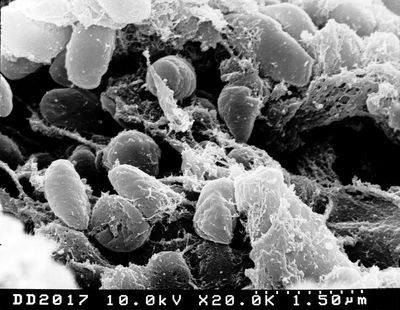
Plague is a bacterial infection caused by the bacterium Yersinia pestis. Though it is best known as the disease behind the “Black Death”, which decimated Europe’s population in the mid-14th century, it is not a thing of the past. The bacteria still circulate in rodents, other small animals, and fleas in many parts of the world, and on rare occasions can infect humans too.
The disease is uncommon in the US, with an average of seven human cases reported each year, predominantly in the western US, according to the Centers for Disease Control and Prevention (CDC). Cases tend to be reported in two regions: northern New Mexico, northern Arizona, and southern Colorado; and California, southern Oregon, and far western Nevada.
This latest case is the first in El Dorado County since 2020. Prior to that, there were two reports of plague in 2015 in individuals thought to have been exposed in Yosemite National Park – these were the first reported human cases in California since 2006.
Plague can be treated with antibiotics, but early detection is key – it can be fatal if left untreated. Spotting the symptoms promptly is vital: these usually begin within two weeks of exposure to an infected animal or flea, and may include sudden onset of fever, nausea, weakness, chills, muscle aches, and/or visibly swollen lymph nodes called buboes.
El Dorado County government offers some tips to help prevent infection in the first place, namely avoiding contact with wild rodents and keeping pets away from their burrows. It is also advised to wear long pants tucked into boots while outdoors, use insect repellent containing DEET, treat pets for fleas, and heed any warning signs.