


 Humans
 PUBLISHED


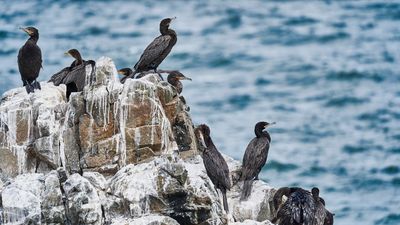


A longstanding suspicion that guano (bird droppings) from offshore islands drove the success of coastal communities in what is now Peru, probably sustaining the Inca Empire, has received scientific support. Kernels of maize in Chincha tombs are rich in nitrogen and have isotope ratios that few things other than guano can provide. The research confirms that guano collection not only allowed the Chincha Kingdom to flourish, but became central to Chincha culture.
The rich nutrients of the Humboldt Current allow fish to thrive in numbers unmatched elsewhere on Earth; seabirds have not missed the opportunity that provides. For safety from predators, the birds nest on small rocky islands off the coast of Chile and Peru, which have been piled high with centuries of their droppings. In the 19th century, wars were fought for access to this incomparable resource, and a global famine was feared if the supply ran out, but the history of guano trading goes back much further.
The same cold waters that nurture so many fish make coastal Peru desperately dry. Agriculture there depends on rivers flowing down from the Andes, but the soils have long since been leached of nutrients, so a way had to be found to rejuvenate them. Dr Jacob Bongers of the University of Sydney told IFLScience that fishmeal and dung from alpacas and lamas are known to have been used, but “guano is the best of the best.”
When and how the residents of South America’s coast discovered guano’s powers remains a mystery. Perhaps they tried growing things at mainland sites where seabirds also congregate. Whatever the route, by at least 1250 CE, the inhabitants of the Chincha Valley were sailing rafts to the islands of the same name, 25 kilometers (16 miles) offshore, and coming back laden with guano to fertilize their crops.
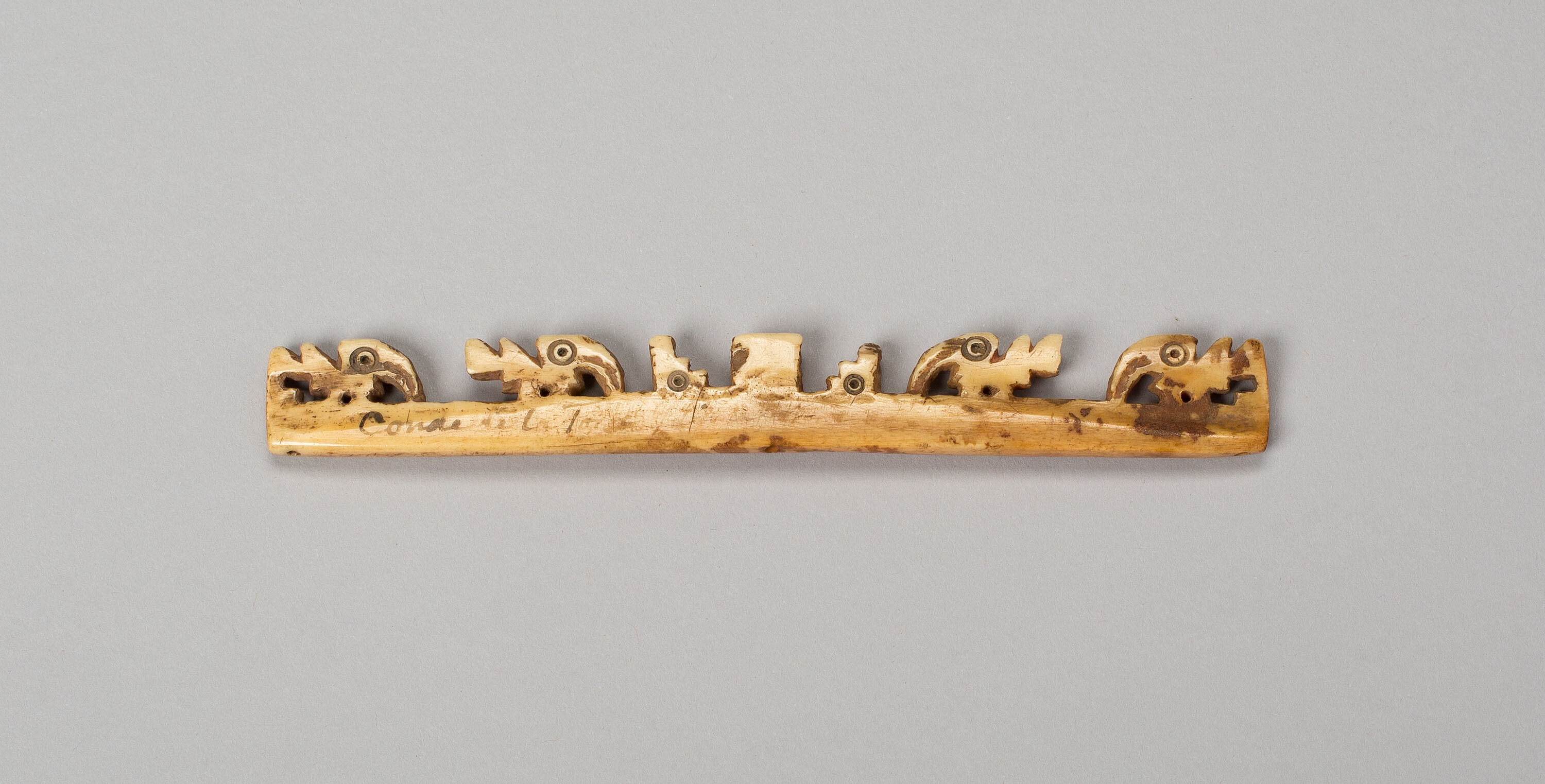
Accounts of the guano collection were recorded by the Spanish, and in the 1990s, archaeologists argued depictions of seabirds, fish, and sprouting maize together in Chincha metalwork, ceramics, and wall paintings indicated the practice was long-standing and an important part of Chincha culture. The inhabitants of other valleys in Peru are thought to have done similar things, but until now, there has been no proof.
Bongers has worked in the Chincha Valley for more than a decade and told IFLScience he collected samples of maize from tombs in the valley. These have now been subjected to chemical analysis, which shows an abundance of nitrogen typical of plants grown in soil supplemented with guano. They also had high levels of nitrogen-15 compared to nitrogen-14. Bonger and co-authors also updated studies of Chincha artifacts, noting the regular combination of seabirds, fish, and sprouting maize.
“Together, the chemical and material evidence we studied confirms earlier scholarship showing that guano was deliberately collected and used as a fertilizer,” Bongers said in a statement. “But it also points to a deeper cultural significance, suggesting people recognized the exceptional power of this fertilizer and actively celebrated, protected and even ritualized the vital relationship between seabirds and agriculture.”
The maize samples show guano use in Chincha dates back at least 800 years, but Bongers thinks the practice might be much older, potentially almost 2,000 years. Certainly, the Chincha turned it into a mass industry. They not only brought enough guano back to fertilize their own fields, apparently exporting it to their neighbors via llama caravans, growing fabulously rich, by the standards of the day, in the process.
The Chincha never established an empire, Bongers told IFLScience, extending their rule only modestly outside their valley. The Inca ruthlessly crushed another coastal community that Bongers thinks were also guano harvesters, but their relationship with the Chincha was very different. Accounts survive that indicate the Inca conquest of the Chincha was more of a trade deal, and when Spanish explorers met the Inca emperor, the Chincha king had the most honored place by his side.
Bongers thinks guano was key to this. “Guano was a highly sought-after resource the Incas would have wanted access to, playing an important role in the diplomatic arrangements between the Inca and the Chincha communities,” he said.
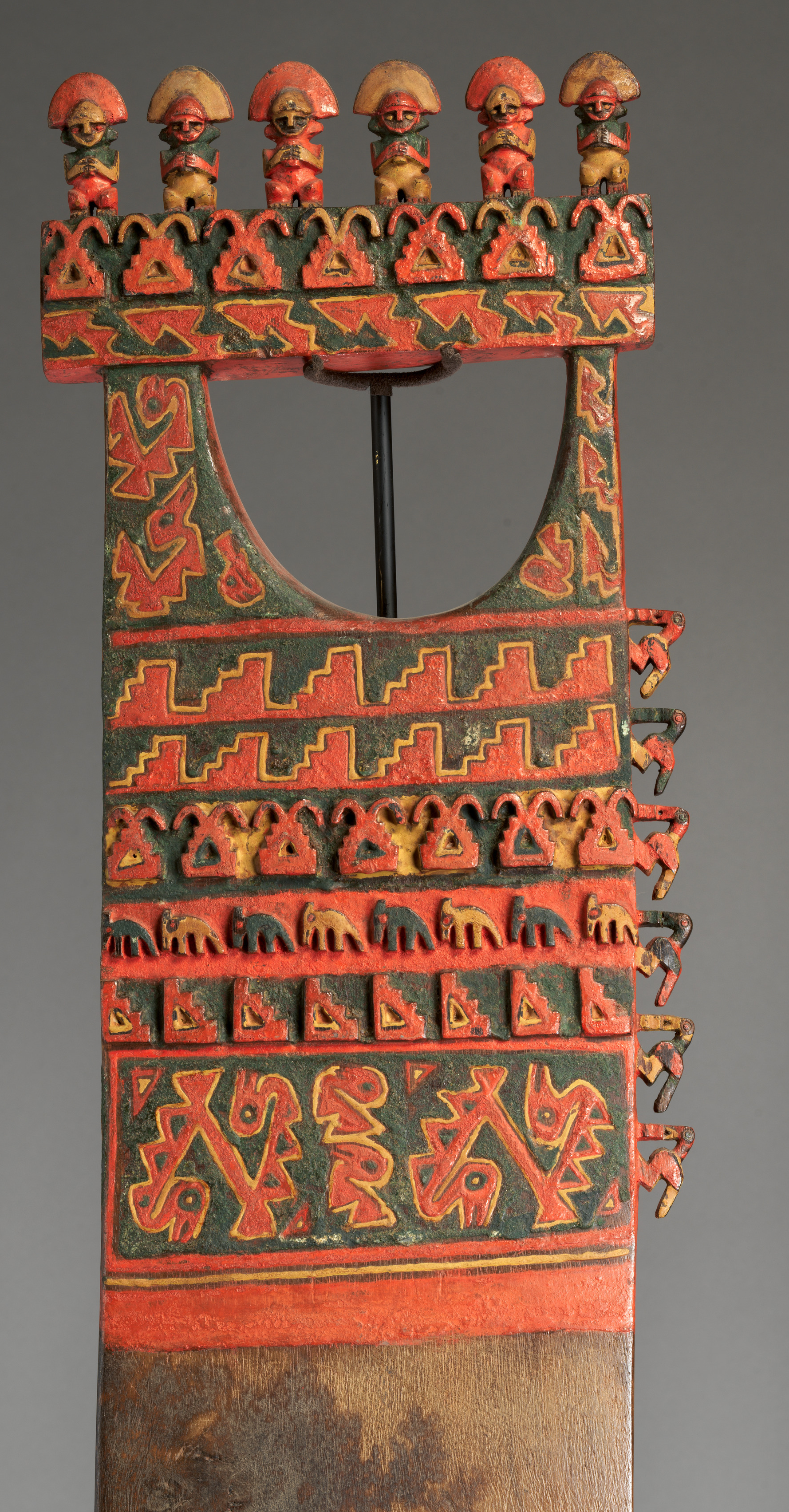
“The true power of the Chincha wasn't just access to a resource; it was their mastery of a complex ecological system,” said co-author Dr Jo Osborn of Texas A&M University. “They possessed the traditional knowledge to see the connection between marine and terrestrial life, and they turned that knowledge into the agricultural surplus that built their kingdom. Their art celebrates this connection, showing us that their power was rooted in ecological wisdom, not just gold or silver.”
When Europeans needed guano for fertilizer and gunpowder, they stripped the islands bare. Bongers doesn’t know if the Chincha were doing something similar more slowly, or if they took sustainable amounts each year, matching what the birds freshly left behind. However, Bongers noted one piece of history. “Once the Inca took over, they forbade travelling to the islands when birds were breeding,” he said. “It’s one of the first records of animal conservation laws.”
The study is published in PLOS One.


 1
1