Culture and Society
 PUBLISHED
 4
4




If you’ve hankering to read the earliest-known English book on cheese, you’re in luck. The University of Leeds’ Cultural Collections have announced that they’ve transcribed the curious book’s contents, revealing some rules about cheese consumption that we didn’t see coming.
Titled, “A pamflyt compiled of Cheese, contayninge the differences, nature, qualities, and goodnes, of the same,” the publication was snapped up by the university during a 2023 auction. It dates back to the 1580s, at which time there were apparently some strong opinions about what different cheeses did to the body.
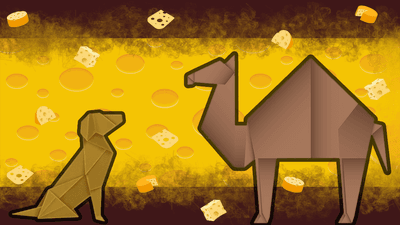
According to the unknown author, dog’s milk "doth cause a woman to be delivered of her childe before tyme" (read: you risk premature birth by eating Fido’s fermented milk). Camel, mare, and ass milk (like the animal, calm down) appear to be acceptable cheese choices, but – perhaps reassuringly – human milk was not on the cards.
There are also some views on the timing of your cheese enjoyment, including eating it at the end of a meal so it can basically squash the rest of your meal down “where the digestion is best”. It also considers whether eating during religious events is appropriate or not because of the use of animal rennet in its creation, something we still use in cheeses like parmesan to this day (which explains why parmesan isn’t vegetarian).
The book is notable as an early example of an investigation into cheese, both when, where, and how to make and consume it, as well as what effect it can have on the body. The concept of dairy intolerance might not yet have earned itself a title, but there certainly seems to be consideration for the fact that it affects some people’s bodies negatively compared to others in the anonymous author’s musings.
“I’ve never seen anything like it: it’s probably the first comprehensive academic study of a single foodstuff to be written in the English language,” said food historian Peter Brears in a statement. “Although cheese has formed part of our diets since prehistoric times, there was still little evidence of its character and places of production by the Tudor era. The Pamflyt shows that cheeses of different kinds were being considered, and also studied from a dietary point of view.”
Want to hear more about 1580s cheese culture? You can read the original and transcribed manuscripts via the University of Leeds Cultural Collections website. And on the subject of strange cheese, could we make cheese out of whale’s milk?