


 Health and Medicine
 PUBLISHED


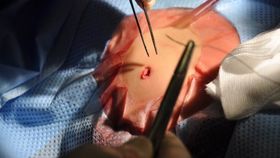


The way to a toddler's heart is through its liver for cardiologists using a world-first procedure to save a young life.
When doctors at the University Hospital in Leuven, Belgium, were confronted with a baby in need of a cardiac valve, they implanted one through open heart surgery. “This valve, however, quickly broke down, because the immune defense of babies is very active, so we needed to install a new one after a year,” said cardiologist Professor Marc Gewillig. “A second open-heart operation would entail severe health risks, so we had to consider surgery via a catheter.”
Passing valves via catheters through veins from the groin or neck to the heart is now standard practice, but Gewillig says, “In children who weigh less than 10kg these veins are too small for such a catheter, which is about 8mm wide.”
Something new was required, and Gewillig found it by passing the catheter through the liver. “The liver is a good alternative because it is like a kind of sponge in which you can relatively easily make apertures,” he said. Nevertheless, the procedure carried risks.
"The opening must be closed properly afterwards to avoid bleeding, which can be fatal.” Gewillig noted. The hospital had a liver surgeon on standby, as well as a heart surgeon should open heart surgery have been required.
Moreover, prosthetic valves were not available in the size required, so a member of the team had to shrink the valve before implantation. However, after simulation of some of the stages for practice, the surgery was performed successfully and the child is at home and doing well.
UZ Leuven. The heart valve had to be reduced in size prior to implantation.


 10
10