Health and Medicine
 PUBLISHED


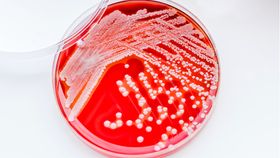


Researchers from The Rockefeller University have discovered a new class of antibiotics capable of killing off several antibiotic-resistant pathogens. This new family comes from molecules present in a large variety of soils and researchers hope it could be a useful weapon in our medical arsenal.
As reported in Nature Microbiology, the antibiotic compounds are a special class of peptides – special chains of amino acids – which require calcium for antibacterial activity. Calcium-dependent antibiotics are capable of targeting bacteria in a variety of ways and this characteristic makes them particularly effective. They can target the formation of the bacterial cell membrane or even destroy the cell wall.
The team looked for new members of this antibiotic family and tested them against known pathogens. The new antibiotics, called malacidins, were successful in sterilizing methicillin-resistant Staphylococcus aureus, also known as the superbug MRSA, and the bacteria attacked with the malacidins did not develop resistance.
"It is impossible to say when, or even if, an early stage antibiotic discovery like the malacidins will proceed to the clinic. It is a long, arduous road from the initial discovery of an antibiotic to a clinically used entity," senior author Dr Sean Brady told BBC News.
The road ahead is clearly long but even getting here was not easy. These compounds might be present in soil and dirt but it doesn’t mean that they are extremely common or abundant. The team analyzed more than 1,000 unique soil samples to better understand how these peptide compounds are produced and how to exploit them for fighting bacteria.
It is important to know that the malacidin class is not a universal panacea against all bacteria. The targeting mode is only effective against gram-positive bacteria, species with a very thick cell wall. Therefore, this antibiotic treatment would not be effective against gram-negative bacteria such as pneumonia and UTIs.
Antibiotic resistance causes 2 million illnesses every year and at least 23,000 deaths in the US alone. According to the UN, it has the potential to kill 10 million people a year by 2050. Developing new drugs and trialing new approaches to fighting off pathogens is crucial. Changes in policies and being more conservative in our use of antimicrobial treatments will also be necessary.
[H/T: BBC News]

 1
1