Space and Physics
 PUBLISHED
 1
1


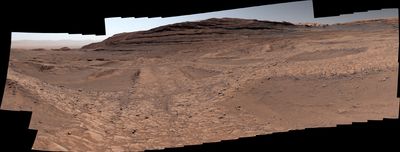


NASA’s Curiosity has explored a peculiar terrain on Mars that has no such equivalent on Earth. Seen from space, this geological formation, called boxwork, looks like a spiderweb crisscrossing the terrain around Mount Sharp. The rover has been exploring around the mountain for years, and in the last six months, has carefully traveled across the boxwork formation. Why were scientists interested in doing so? Because it could tell them something very important about water levels during the planet's past.
On Earth, boxwork ridges are rarely taller than a few centimeters and are found in caves or in dry sandy environments. On Mars, however, the ridges are between 1 and 2 meters (3.3 to 6.6 feet) tall, with a sandy hollow between them. Scientists believe that groundwater is responsible for this geological formation; the water flowed through cracks in the rocks, leaving behind minerals that strengthened the areas, which eventually turned into ridges.
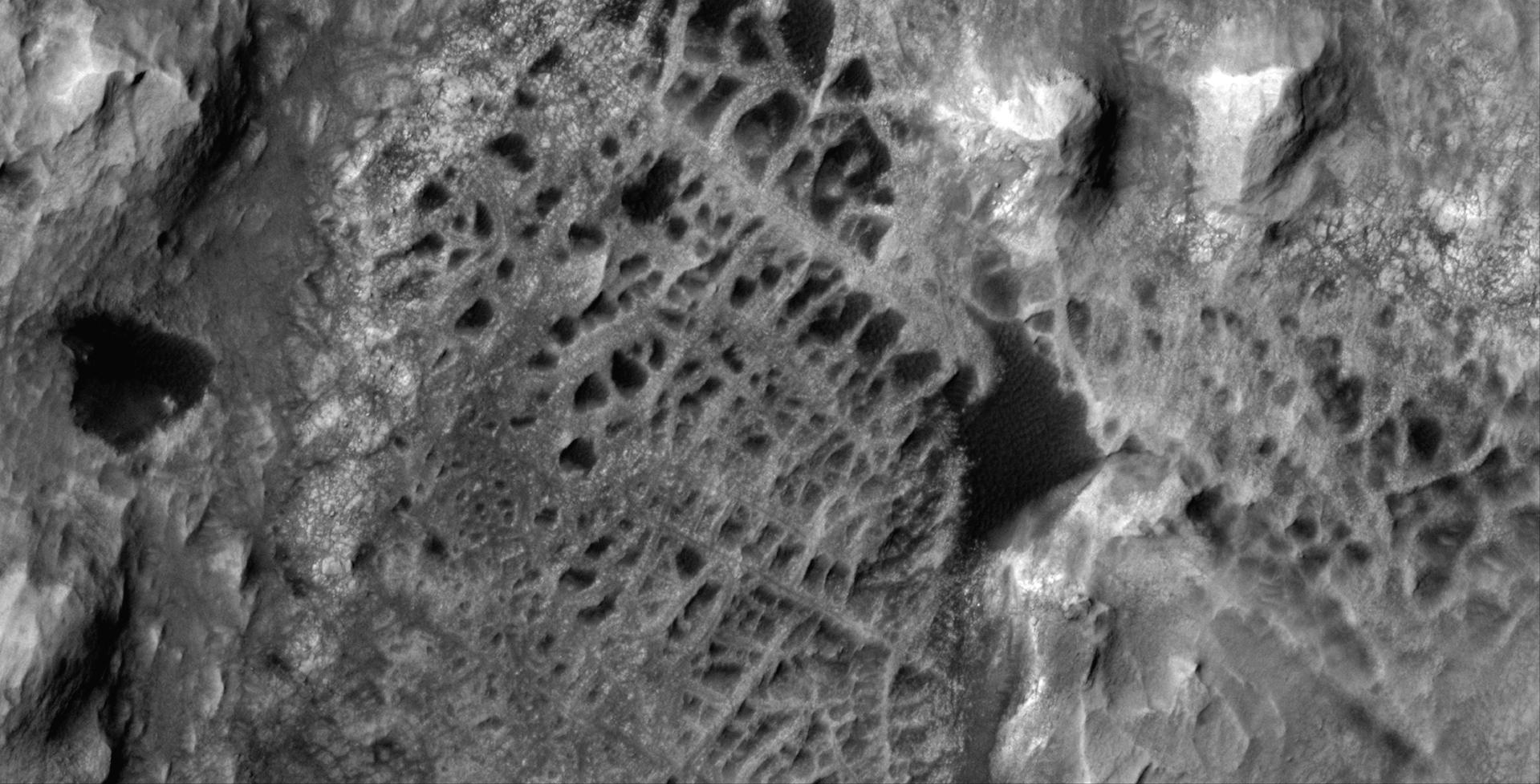
“Seeing boxwork this far up the mountain suggests the groundwater table had to be pretty high,” Tina Seeger of Rice University in Houston, one of the mission scientists leading the boxwork investigation, said in a statement. “And that means the water needed for sustaining life could have lasted much longer than we thought looking from orbit.”
The long-lasting presence of water is certainly good news for habitability, although this doesn’t mean that Mars had life in the past. Still, a wetter world that stayed wet for a long time could be a better environment for life than a place where water disappeared quickly, or that was only wet during short intervals.
Observations from space had revealed that there are dark lines going across the surface of the ridges. Curiosity has confirmed that these are central fractures, strengthening the hypothesis of how the boxwork formed. The rover also found nodules along the ridges' walls, visible in the hollows. This is not the first time such formations have been seen, but how they came to be remains mysterious.
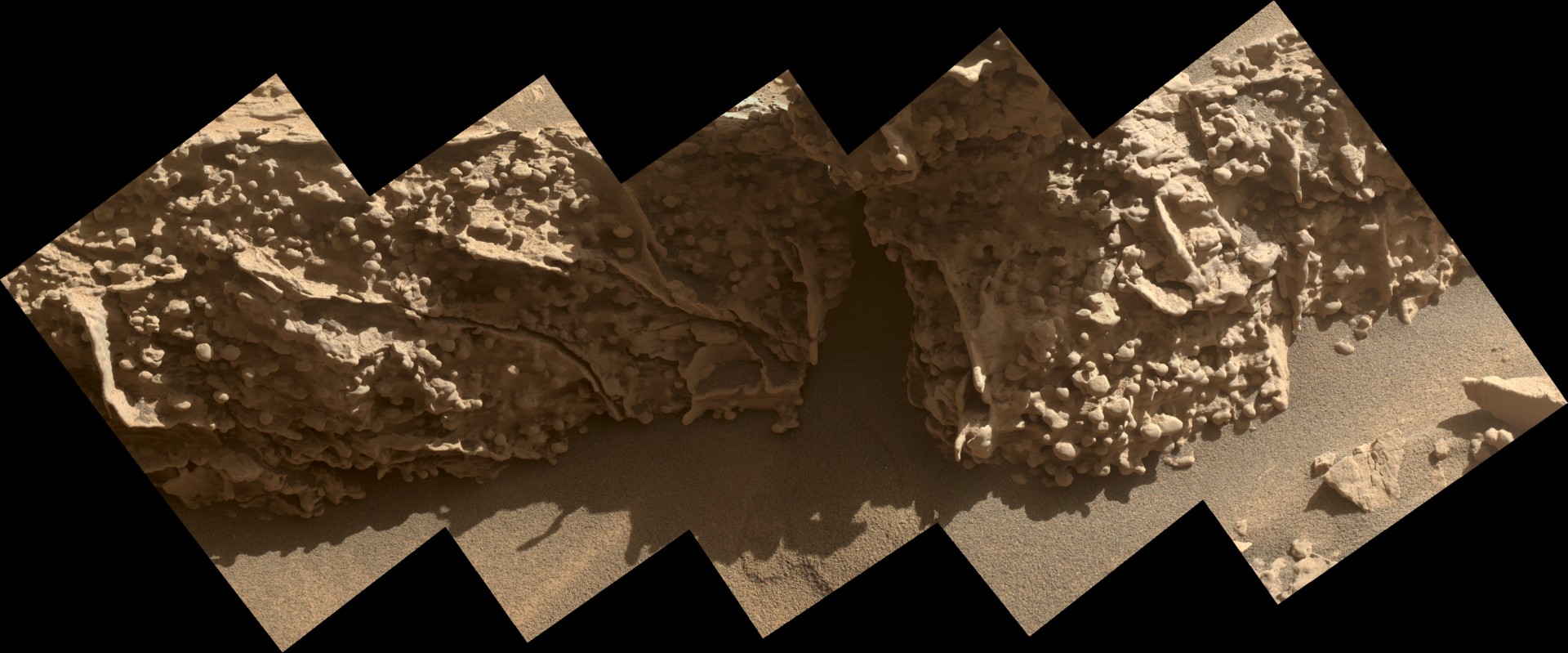
“We can’t quite explain yet why the nodules appear where they do,” Seeger said. “Maybe the ridges were cemented by minerals first, and later episodes of groundwater left nodules around them.”
The whole geological area was a bit of a challenge to navigate. Curiosity is a big rover, roughly the size of an SUV and weighing almost a ton. The ridges are not much wider than the rover, and some of the hollows are deep enough to trap Curiosity if it were to fall into them.
“It almost feels like a highway we can drive on. But then we have to go down into the hollows, where you need to be mindful of Curiosity’s wheels slipping or having trouble turning in the sand,” said operations systems engineer Ashley Stroupe of NASA’s Jet Propulsion Laboratory in Southern California, which built Curiosity and leads the mission. “There’s always a solution. It just takes trying different paths.”
Curiosity’s time around boxwork is coming to an end. In March, it will move to a slightly different region of Mount Sharp. The whole area shows when Mars was drying out, and the terrain is enriched in sulfate minerals. What will Curiosity discover here?