Humans
 PUBLISHED



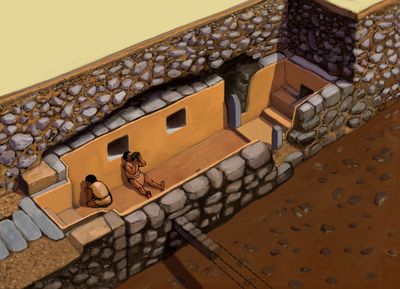


Picture the scene: high in the Andes mountains, thousands of years before Columbus and his cronies arrived in the Americas, people would gather in a subterranean stone chamber and use animal bones to take DMT, a potent psychedelic known for its short, sharp, and transformational trips. It sounds like an idyllic vision of the pre-modern past, but research suggests it had a more sinister, cynical edge.
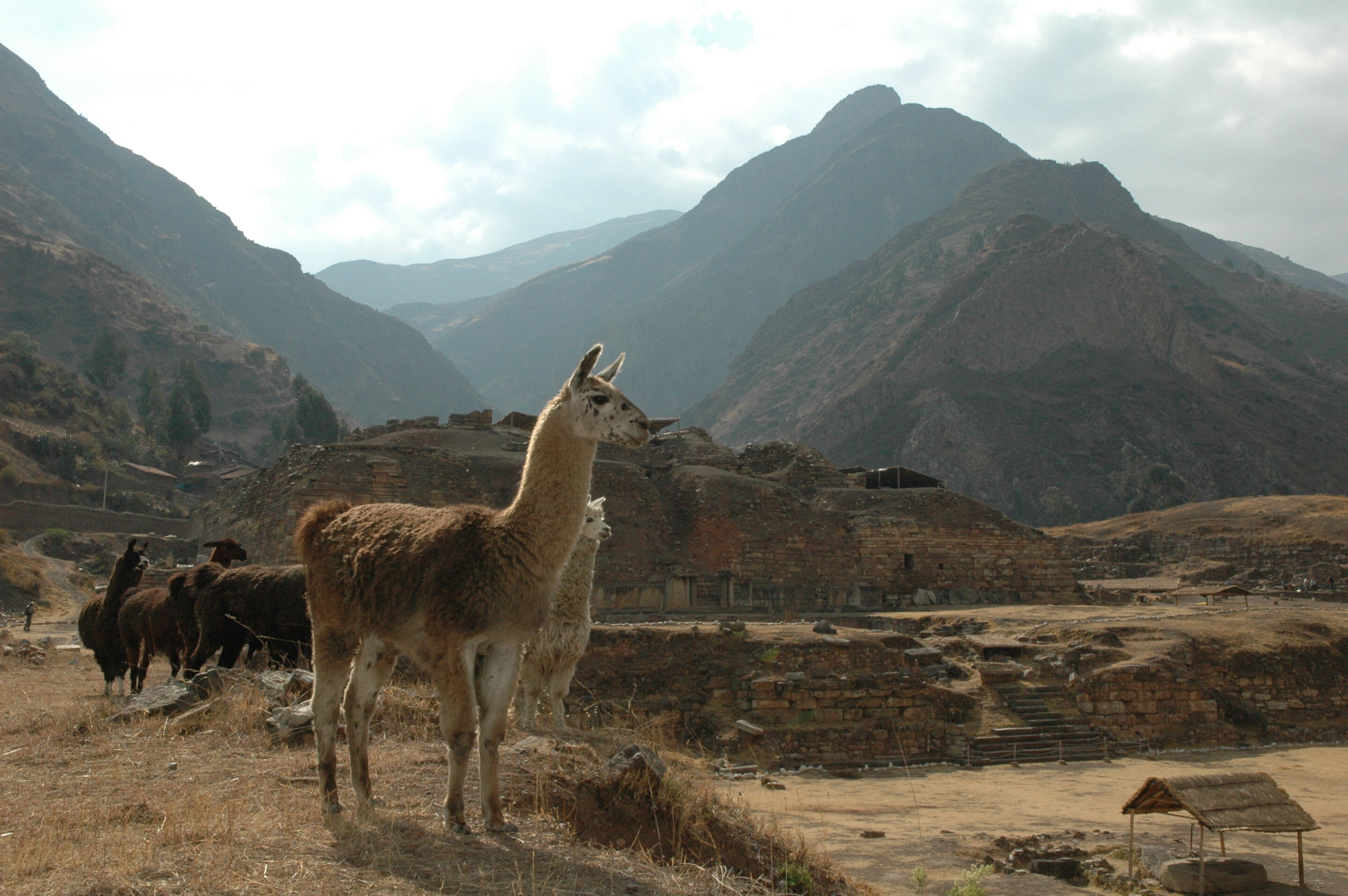
Archaeologists came across evidence of this practice a few years ago while excavating Chavín de Huántar in the mountains of modern-day Peru. Built around 1200 BCE, the site consists of stone ruins believed to have once served as a prehistoric ceremonial complex.
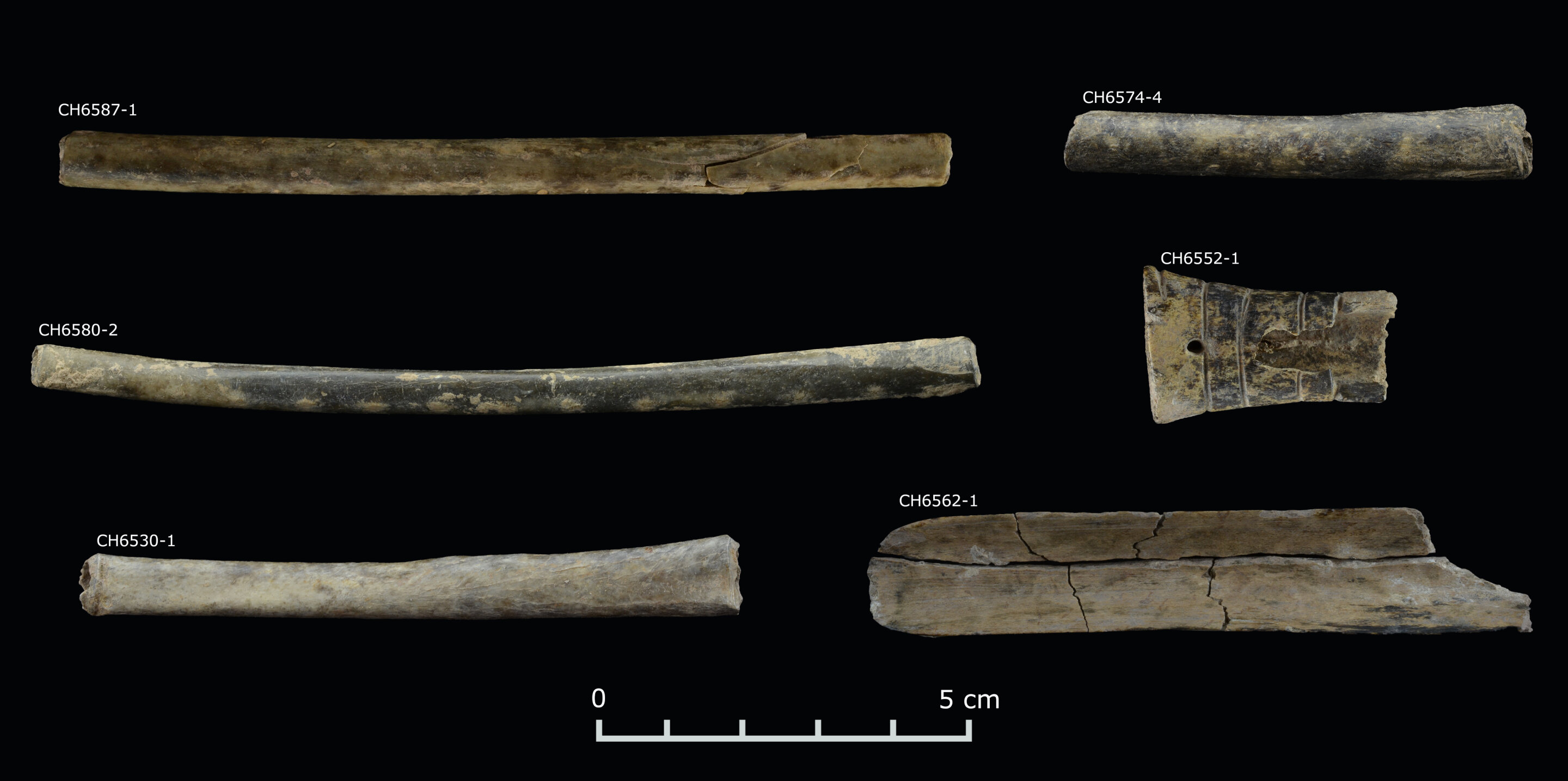
The site has been relatively well studied since its discovery over a century ago, but these researchers paid particular attention to an underground gallery laden with tubes carved from the hollowed-out bones of deer, birds, and possibly camelids such as llamas and vicuña. Chemical analysis revealed that the bones still contained traces of nicotine from wild relatives of tobacco, along with the residue of vilca bean, one of the many natural sources of DMT.
Scientifically known as N,N-Dimethyltryptamine, this mind-altering molecule is known to produce vivid hallucinations, often involving encounters with otherworldly beings. The trips are short, typically lasting less than an hour, but are described by many who experience them as powerfully profound.
Tobacco and DMT are typically smoked in today’s world, but the lack of burn marks on the bones suggests the ancient people of Chavín de Huántar ingested their drugs through snuffing, snorting, and other means of inhalation.
Reinforcing their findings that this was a psychedelic ceremonial site, the team also discovered trumpets made from conch shells in echoing chambers seemingly designed to amplify awe-inducing musical performances.
It's safe to assume these drugs weren't taken recreationally, at least not in the modern sense. Rather, they were important tools for cultivating spirituality and an understanding of the universe.
However, the researchers argue that the drugs were also employed to reinforce social control, like a prehistoric opium of the masses. It’s been speculated that the Chavín culture was run by a dictatorial clique of priests, and what better way to consolidate that power than by controlling access to transcendent, occasionally terrifying windows into the unknown?
"Taking psychoactives was not just about seeing visions. It was part of a tightly controlled ritual, likely reserved for a select few, reinforcing the social hierarchy," Daniel Contreras, anthropological archaeologist at the University of Florida and co-author of the study, said in a statement.
"The supernatural world isn't necessarily friendly, but it's powerful," Contreras said. "These rituals, often enhanced by psychoactives, were compelling, transformative experiences that reinforced belief systems and social structures."
"One of the ways that inequality was justified or naturalized was through ideology—through the creation of impressive ceremonial experiences that made people believe this whole project was a good idea," Contreras said.
The study was published in 2025 in the Proceedings of the National Academy of Sciences.