Space and Physics
 PUBLISHED
 10
10


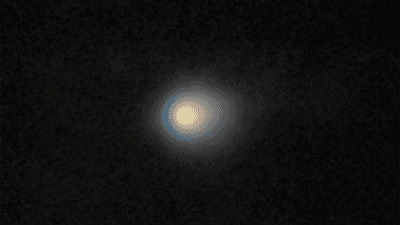


On July 1 this year, astronomers discovered an object moving through the Solar System at escape velocity, our third interstellar visitor that we know about.
The object, dubbed 3I/ATLAS, is now known to be a comet due to outgassing as it gets closer to the Sun on its way through the Solar System. Astronomers have attempted to observe it as it continues its journey, before it departs again for interstellar space, and perhaps future flybys of other star systems far into the future.
There have been plenty of conspiracy theories around the object, and many images that people claim have captured it, usually with an "aliens are coming to get us" angle attached. Take these images, for instance, which are categorically not of our interstellar comet visitor:
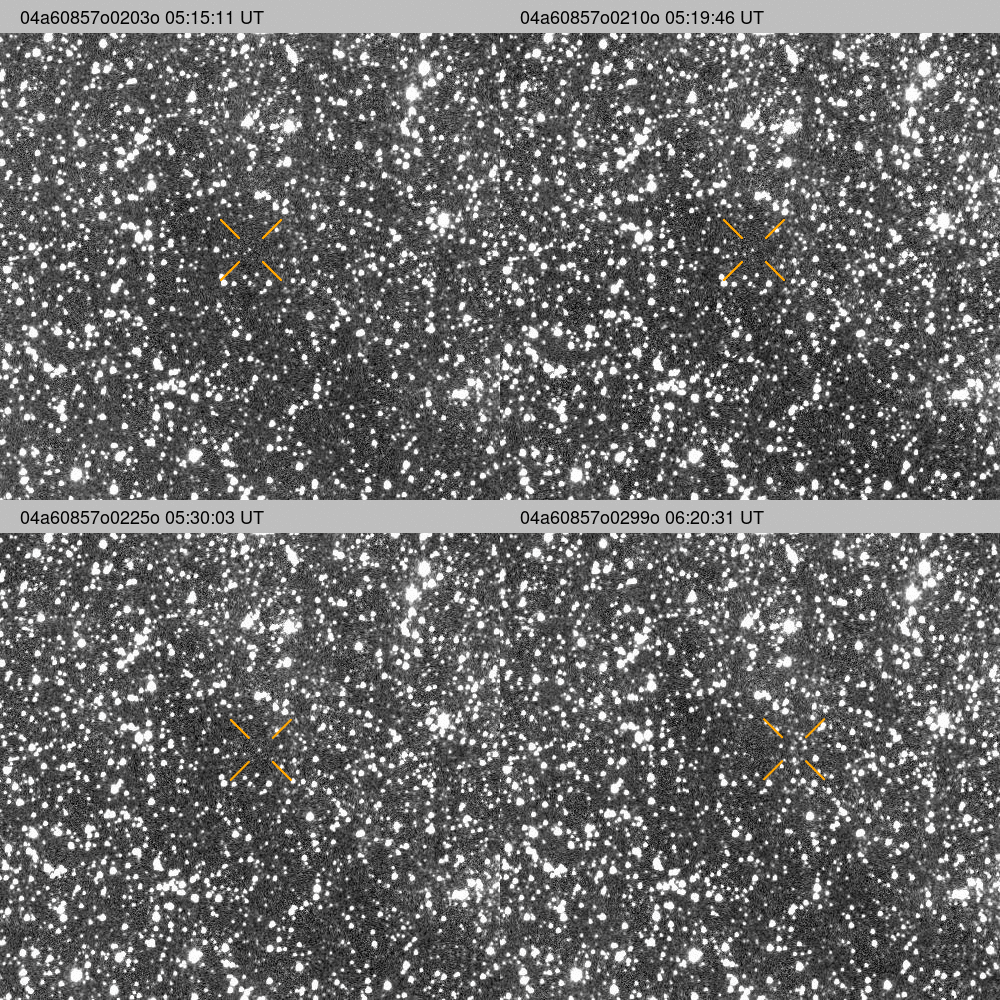
Fortunately, we do have a lot of real observations we can show you, including one taken by spacecraft orbiting Mars. Let's begin with the first observation, by the NASA-funded ATLAS telescope in Chile on July 1.
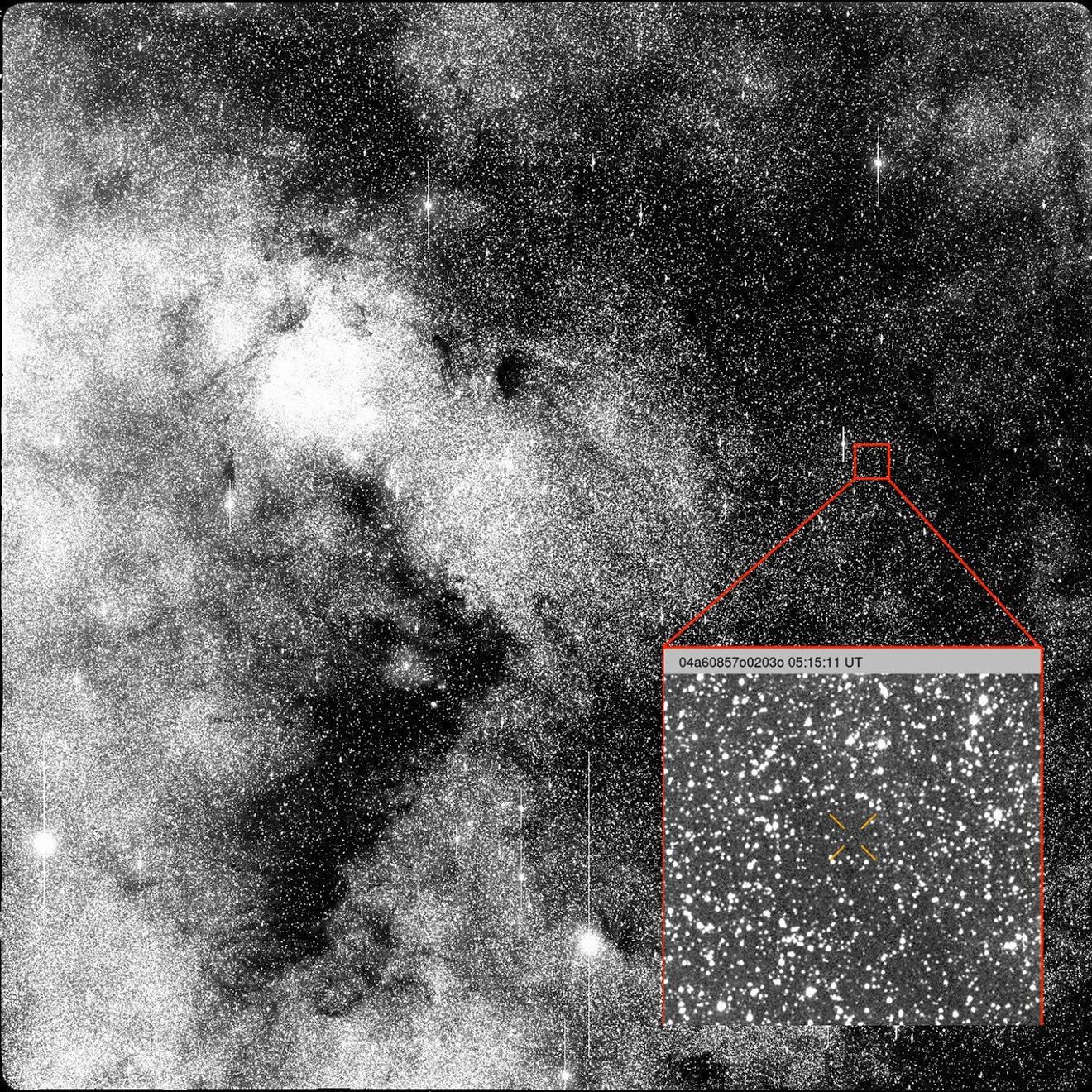
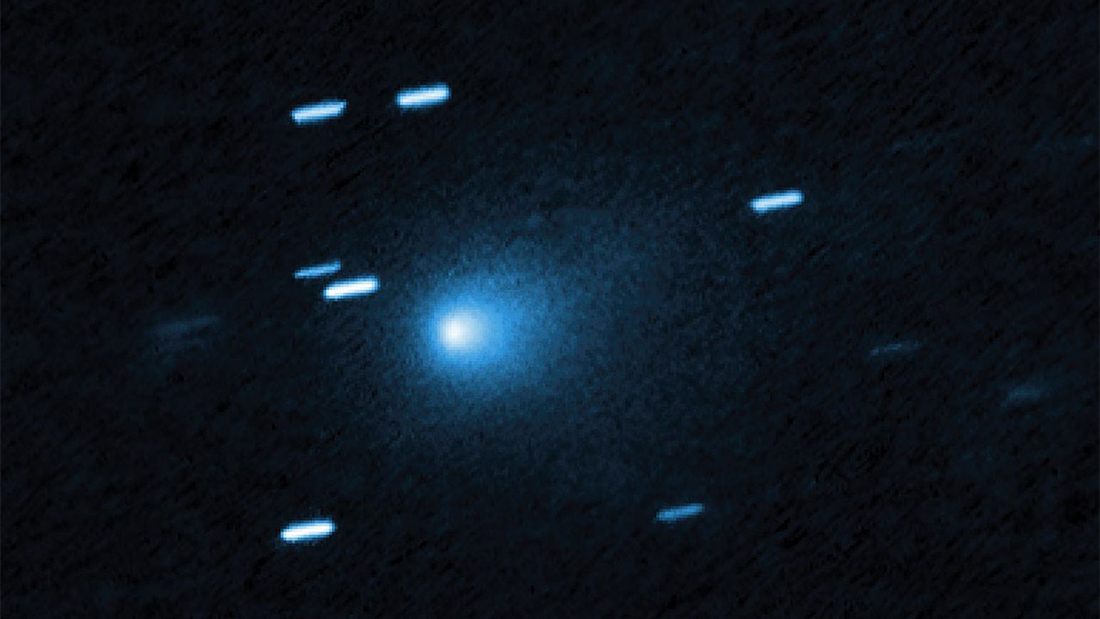
The Hubble space telescope imaged the comet on July 21, as the comet was 445,788,000 kilometers (277 million miles) from Earth.
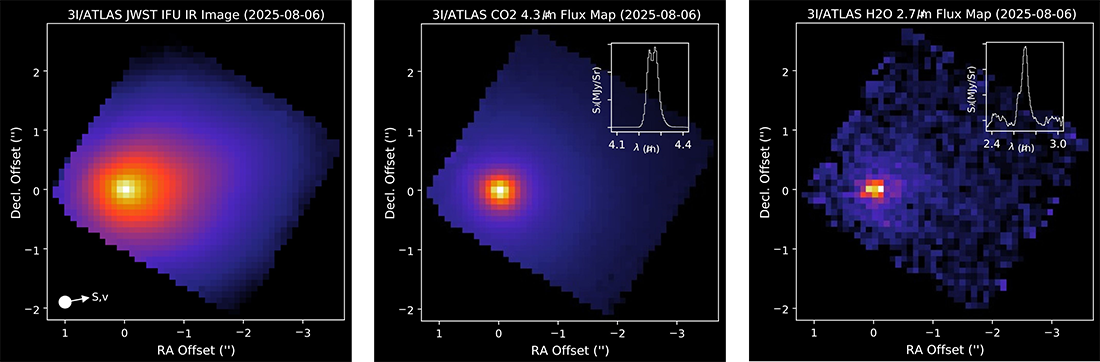
The comet has also been observed by JWST, though these observations were taken with its Near-Infrared Spectrograph instrument, so the resulting image does not look like the others, even if there is a lot to be learned by using this powerful telescope.
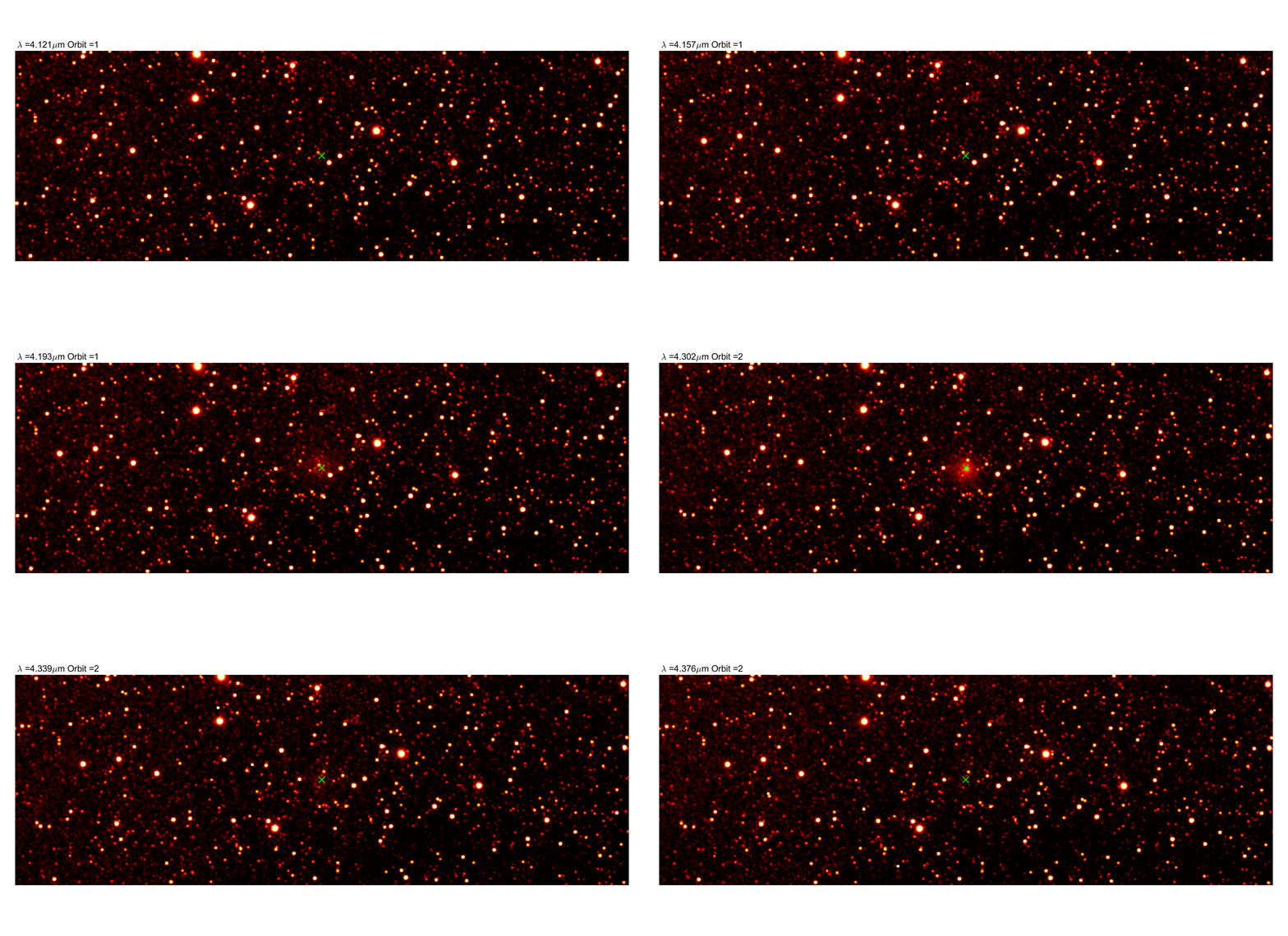
NASA’s Spectro-Photometer for the History of the Universe, Epoch of Reionization and Ices Explorer (SPHEREx) imaged the comet from August 7-15, getting a more dramatic view of the object.

There have been claims that the Perseverance rover on Mars may have captured an image of 3I/ATLAS. While this is possible, it is not confirmed, and one claim appears to be Phobos, one of Mars's moons. However, we now do have a timelapse from the European Space Agency's (ESA) ExoMars spacecraft.
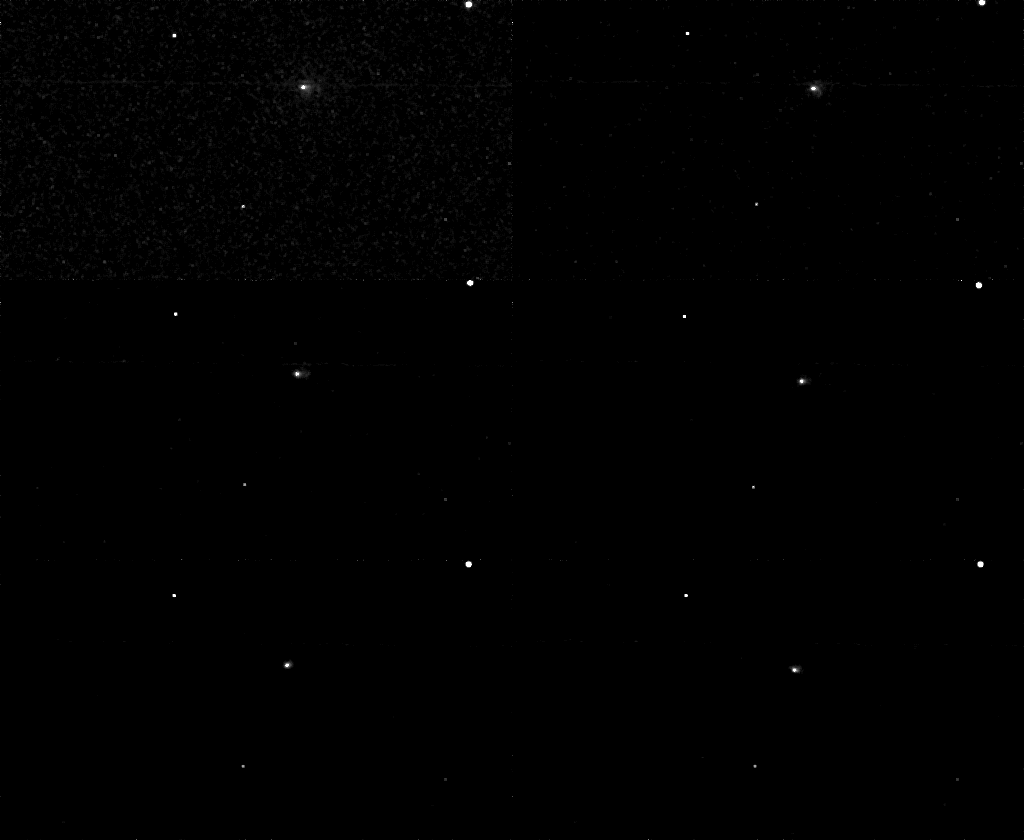
"On 3 October, ESA’s ExoMars Trace Gas Orbiter (TGO) turned its eyes towards interstellar comet 3I/ATLAS as it passed close to Mars," ESA explained of the image.
"Together with Mars Express, ExoMars TGO had the closest view of the comet of all ESA spacecraft. It looked towards the interstellar interloper from 30 million km [18.6 million miles] away during its closest approach to the Red Planet."
Other images may look less real than the fake ones above, but are still bona fide observations, like the below from NOIRLAB, which shows the object in three different filters.
.jpg "Comet 3I/ATLAS observed by Gemini North.")
3I/ATLAS is currently behind the Sun from our perspective, where only Mars orbiters and the ESA's JUICE mission can see it. But when it reemerges, it may even be possible to see it using amateur telescopes. Until then, enjoy the professional telescope images, and be skeptical of anyone telling you they have captured the object, particularly if they then go on to tell you it is an alien craft.