Ad

health-iconHealth and Medicinehealth-iconneuroscience
clock-iconPUBLISHEDJuly 21, 2025
comments icon1
share16

IFLScience We Have Questions: Why Are Yawns Contagious?

Find out why this open-mouthed action seems to be so incredibly catching.

Rachael Funnell headshot

Rachael Funnell

Rachael has a degree in Zoology from the University of Southampton, and specializes in animal behavior, evolution, palaeontology, and the environment.

Senior Science Writer

Rachael has a degree in Zoology from the University of Southampton, and specializes in animal behavior, evolution, palaeontology, and the environment.View full profile

Rachael has a degree in Zoology from the University of Southampton, and specializes in animal behavior, evolution, palaeontology, and the environment.

View full profile
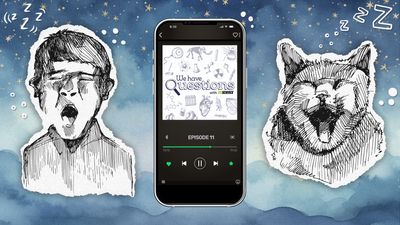
Episode 11 of We Have Questions playing on a smartphone, with an illustration of a human yawning on the left and a cat yawning on the right

Episode 11 of We Have Questions.

Image credit: Anna.zabella/kichikimi/Yuriy Sosnitskiy/Shutterstock.com; modified by IFLScience

It’s perhaps one of the greatest injustices of human bodily functions that the yawn has become so stigmatized in social settings. Crack one out and you’ll likely receive accusations of being bored or rude. It seems ironic, really, because the science of yawning tells us that, if anything, it’s a sign you’re trying harder to pay attention.

The rest of this article is behind a paywall. Please sign in or subscribe to access the full content.

That’s what we discovered when we sat down with Dr Andrew Gallup, Teaching Professor of Behavioral Biology at Johns Hopkins University and a bit of an expert in yawning. We wanted to find out why this open-mouthed action seems to be so incredibly catching, and discovered along the way that there’s a hell of a lot going on when we yawn.

You can listen to this episode and subscribe to the podcast on all your favorite podcast apps: Apple Podcasts, Spotify, Podbean, Amazon Music, and more.

This interview first appeared in Issue 30 of our digital magazine CURIOUS.


Written by 

Add us as a Google preferred source to see more of our
trusted coverage in Search