Health and Medicine
 PUBLISHED
 4
4


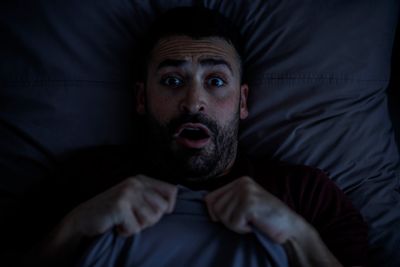


One minute you’re gently drifting off to sleep, and then the next, you’re suddenly jolted awake. No, you’ve not been betrayed by your cat leaping onto the bed or a particularly loud snore from your partner, but your own body. This is known as a hypnic jerk – but what exactly is it and why does it happen?
What are hypnic jerks?
Also known as hypnagogic jerks or sleep starts, hypnic jerks are involuntary muscle contractions that occur just as someone is falling asleep. These contractions can happen all over the body, but are particularly common in the arms and legs.
Their strength can also vary, meaning they can happen without waking you up – although someone in bed next to you may well still notice.
Hypnic jerks are common, with an estimated 80 percent of people reported to have experienced them. Many of those people may experience them alongside a sensation of falling, seeing bright lights, hearing loud sounds, or having a dream.
They’re also thought to be harmless. “Hypnic jerks […] are benign phenomena that aren’t tied to any health conditions or concerns,” sleep specialist Dr Raj Dasgupta, an associate professor of clinical medicine at the University of Southern California’s Keck School of Medicine, told CNN Health. “Mainly they’re just annoying, especially if they keep preventing you from falling asleep.”
What causes hypnic jerks?
Despite the fact that most people will have had a hypnic jerk, scientists don’t actually know for sure what causes them. They do, however, have some theories.
Some revolve around factors that we already know to be involved in sleep in other ways. It’s been proposed, for example, that stress and anxiety, as well as excessive or late-in-the-day consumption of stimulants like caffeine or nicotine, might make it more likely for jerks to occur. Not getting enough sleep might also contribute.
The body, and more specifically the brain, might also just be playing itself; it’s been suggested that, as the muscles relax in the process of falling asleep, the brain misinterprets it as the body falling and the response to this is to make muscles contract. Similarly, it might be a response to something going on in a dream.
Can hypnic jerks be treated?
Hypnic jerks aren’t considered to be dangerous, and as such, they don’t necessarily require treatment. However, there’s a slight risk that you might injure yourself if you whack into something when they occur, and some people might also find the experience of a hypnic jerk distressing. In such cases, it’s recommended to speak to a sleep specialist, who might suggest ways to reduce anxiety.
While there are no specific treatments for hypnic jerks, the above theories about what might cause them can lead health professionals to recommend avoiding caffeine, improving sleep hygiene – that means keeping a good sleep routine and not doomscrolling in bed, for example – and finding ways to reduce stress and up relaxation.
[H/T: Popular Science]
All “explainer” articles are confirmed by fact checkers to be correct at time of publishing. Text, images, and links may be edited, removed, or added to at a later date to keep information current.
The content of this article is not intended to be a substitute for professional medical advice, diagnosis, or treatment. Always seek the advice of qualified health providers with questions you may have regarding medical conditions.