


 Health and Medicine
 PUBLISHED




Officials from the CDC have advised healthcare providers and the public to stay alert for the highly contagious respiratory virus, parvovirus B19, as cases appear to be increasing across the US. So, what is there to know about it?
What is parvovirus B19?
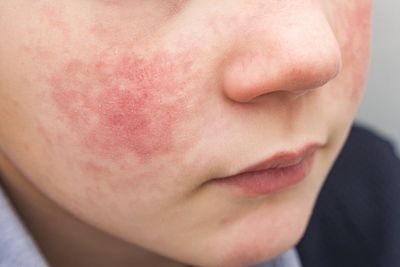
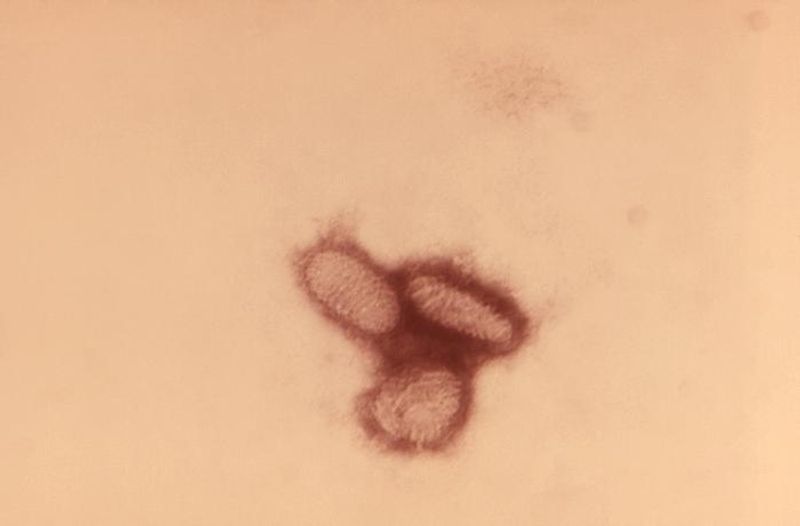
Parvovirus B19 is a small, seasonal virus that only infects humans (it’s another type of parvovirus that can infect your pooches) and is best known for causing "fifth disease" or “slapped cheek” syndrome. It’s referred to as a highly transmissible virus, meaning it spreads very easily, doing so in respiratory droplets like those in coughs and sneezes.
Infection with the virus is also common, with around half of adults having antibodies against it by the time they’re 20, and 70 percent by the age of 40. However, those working in settings with children tend to have a higher risk of becoming infected.
Although the CDC doesn’t do routine surveillance of parvovirus B19, the agency’s advisory comes in light of receiving reports from commercial labs and clinicians with evidence that infections in the US are currently on the up, particularly in children aged between 5 and 9 years old. They’re also seeing more cases than usual in pregnant people.
What are the symptoms of parvovirus?
Despite it being common, someone who becomes infected with parvovirus B19 may have no idea that they have it; in many cases, people will be asymptomatic.
When symptoms do occur, they can include a fever, headache, cough, sore throat, rashes, and joint pain. These are usually mild and tend to appear around 7 days after infection.
However, symptoms can also present quite differently in children and adults; a “slapped cheek” rash, for example, is more common in children, whereas swelling and pain in the joints are more common in adults.
In some cases, more serious complications can arise in the nervous system, joints, or blood. People at higher risk of developing these complications include those who have no pre-existing immunity and are immunocompromised (such as people who’ve received an organ transplant, or have HIV), have leukemia or another type of cancer, or have certain blood disorders.
Although uncommon, it’s also possible for parvovirus B19 in a pregnant person to pass to the fetus, which can carry a small risk of adverse outcomes like fetal anemia and pregnancy loss.
Can parvovirus be prevented or treated?
There aren’t any vaccines or specific treatments to tackle the virus itself – for the majority of people, the infection will go away on its own. Instead, treatment often focuses on alleviating symptoms, such as taking paracetamol to deal with fevers, aches, and pains, and drinking plenty of fluids.
As for prevention, the CDC recommends taking the usual approach to avoid respiratory illnesses: covering your mouth when you cough or sneeze; washing your hands properly and frequently; and cleaning oft-touched surfaces.
All “explainer” articles are confirmed by fact checkers to be correct at time of publishing. Text, images, and links may be edited, removed, or added to at a later date to keep information current.
The content of this article is not intended to be a substitute for professional medical advice, diagnosis, or treatment. Always seek the advice of qualified health providers with questions you may have regarding medical conditions.



 2
2