Health and Medicine
 PUBLISHED



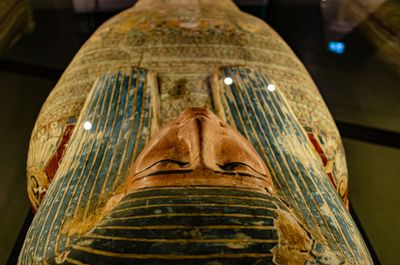


The mummy’s curse is no supernatural hex, but a genuine health risk posed by exposure to dangerous molds and other pathogens lurking in ancient tombs. According to new research, mail-order mummies are alarmingly popular, and many show signs of harboring potentially lethal fungi.
Researchers analyzed 128 online posts and auction listings for mummified remains. These included 122 human mummies, as well as a cat, an ibis, a perch, a falcon, another unspecified bird, and a primate skull.
Only one of the items up for sale consisted of an entire human mummy, with isolated body parts like hands and feet accounting for 27 of the listing and intact heads appearing in 21 entries.
In total, 66 mummies contained heads of varying states of preservation and completeness, including some examples of shrunken heads - or tsantsas - produced by the ‘headhunter’ Shuar people of Peru and Ecuador.
Spreading spores
Analyzing the various posts, the study authors noted visible signs of fungal colonization on 13 entries.
“However, it cannot be stressed enough that all mummified remains that have surviving soft tissue will have some degree of microbial colonization, although this is not always visible to the naked eye,” wrote the researchers.
Given that 44 of the listed mummies were from Egypt and a further 21 hailed from South America, it’s likely that many of them are the products of ancient embalming traditions, and may therefore have been kept in unstable storage conditions for many years.
This increases the chances of pathogenic microbes being present in the mummified remains, yet the study authors found that sellers typically provide no information about safe handling.
“The rise of the internet, especially social media, has amplified international trafficking and driven demand for unique cultural heritage, including mummified humans and animals,” explained lead author Dr Kirsty Squires in a statement.
“However, these preserved remains pose health and biosecurity risks, due to the toxicity of embalming methods and/or suboptimal storage that can promote microbial growth.”
“Our research revealed that mummified remains sold online exhibit signs of biodeterioration, yet sellers provide no safety guidance, suggesting limited awareness or deliberate disregard of hazards.”
The real curse of the pharaohs?
Underscoring the dangers of this trade, the researchers point out that of the 12 conservation scientists who opened the tomb of King Casimir IV Jagiellon in Kraków in 1973, ten died within weeks.
Having died in 1492, Casimir had spent about 500 years deteriorating, and it’s thought that the deaths were caused by the spores of the Aspergillus fungus.
Usually safe to inhale, Aspergillus spores can cause deadly complications in immunocompromised individuals, and have been proposed as the true agent of Lord Carnavon’s death just a few months after he bankrolled the discovery of Tutankhamun’s tomb in the 1920s.
Sensationalized by the global press as “the mummy’s curse”, the wealthy benefactor’s demise may in fact hold vital lessons about the biohazards associated with buying and selling mummified remains over the internet.
According to the study authors, the national and international delivery of these parcels extends these risks to warehouse workers, couriers and customs officials, while also spreading dangerous pathogens across borders.
“While these uncontrolled transactions continue to take place, the living and the dead are both at risk,” they write.
The study has been published in the International Journal of Cultural Property.



 2
2