Space and Physics
 PUBLISHED
 2
2


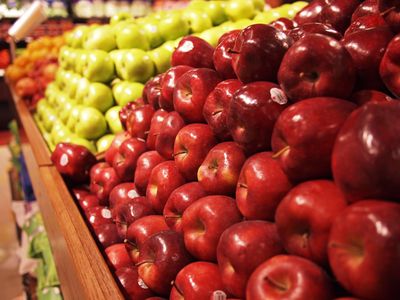


We’re faced with an all-too-familiar stress when it comes to grocery shopping. No, we’re not talking about entering a Walmart in the week before Thanksgiving – it’s those carefully constructed sloping towers of fruit. Picking up a few apples on the way home suddenly becomes an intense and very public game of produce-themed Jenga. But don’t worry, science is here to help – researchers have figured out just how much fruit you can take off a display before it collapses into chaos.
On the face of it, studying the collapse of a fruit display might not seem super important, but the physics of tumbling produce is relevant to a much more dangerous phenomenon: avalanches. Although a fruit display is far less random than the arrangement of the earth or snow on a mountain, it’s a good place to start in determining the effect of removing objects from a structure.
Physicists across three Chilean universities developed a computer simulation experiment that modeled 90, 372, 846, 1,512, and then 2,370 spheres stacked at a variety of angles. The simulation then involved randomly removing spheres from the stack until collapse, which also helped them to identify at which angles and size of the display the stack would collapse instantly, not at all, or if neither, how much of the model fruit needed to be removed to cause collapse.
The findings revealed that in any given display, around 10 percent of the fruit can be removed before an avalanche is triggered. In other words, if there’s a nicely arranged stack of 100 [insert your favorite round fruit here], try not to be the person who removes the 11th one – unless you’re happy suddenly being hit by 89 plums.
To bring things a little closer to actual avalanches or landslides, the team hopes that future research will use simulations that include differently sized and randomly arranged objects – a fruit salad, if you will. In the study’s conclusion, the team writes: “We want to emphasize the value of considering everyday phenomena to inspire new pathways to learn about complex problems like avalanches.”
Though causing an aesthetically pleasing display of apples to fall might come with a hefty and very public dose of embarrassment, that’s a pretty tame consequence compared to fully-fledged avalanches. The fastest debris avalanche on record, for example, was triggered by the deadly eruption of Mount St. Helens, clocking in at nearly one-third of the speed of sound.
The study is published in Physical Review E.