Health and Medicine
 PUBLISHED


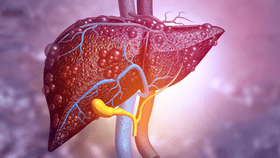


The male liver can change sex in response to disease in what could be a self-protective physiological response, new research suggests. The finding comes from the University of Queensland, where researchers discovered that more advanced liver damage was associated with a more “feminized” liver, both in male mice and humans.
The rest of this article is behind a paywall. Please sign in or subscribe to access the full content.The surprise finding is described in a new paper published in the journal PNAS, which used a mouse model to investigate the effect of switching off genes associated with the circadian clock to see how their bodies responded to a change in diet.
They had set out to look for insights as to why a disruption in sleep pattern is associated with metabolic and liver diseases. However, it was during these investigations that the surprise sex change became apparent.
“When a high-fat diet was fed to mice that had their circadian clock gene turned off, we expected them to develop diabetes or non-alcoholic fatty liver disease (NAFLD) like the control mice, but they didn’t,” said lead researcher and Associate Professor Frederic Gachon of the Institute for Molecular Bioscience in a release.
“We also found that the liver of the obese male mice had been feminised probably due in part to the protective nature of the female sex hormone, oestrogen.”
Like our reproductive organs, the liver is sexually dimorphic meaning there are detectable differences in the livers of males and females. This includes major differences in their gene profiles, with more than 1,000 liver genes being sex-specific.
Curious to see if the liver feminization seen in mice applied to humans, the team tested specimens and found that yes, it did. In fact, the human liver tissue revealed that not only was feminization linked to liver disease, but it became more advanced with later-stage illness.
“It appears that the disruption of circadian rhythms might be protecting the liver by influencing the levels of hormones such as growth hormone, oestrogen and testosterone,” Gachon said.
Combining the mouse and human findings, the study authors believe that the circadian clock could play a role in slowing disease progression by tweaking metabolic pathways.
"In light of these findings, we are investigating whether behavioral and hormonal interventions are possible treatments for liver disease," Gachon concluded.
[H/T: Gizmodo]