Space and Physics
 PUBLISHED


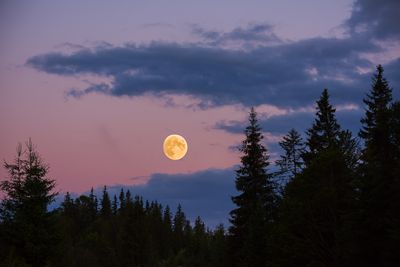


Folks in North America should keep their heads to the skies this morning as the full "Worm Moon” will soon reach its fullest. If clouds are well-behaved, the full moon will be its fullest and most visible Tuesday morning, March 7, 2023, appearing opposite the Sun in Earth-based longitude at 7:40 AM EST, according to NASA.
The Farmer's Almanac calls March's full moon the Worm Moon because it marks the period when southern Indigenous tribes of the US would notice worms starting to emerge from the thawed soiled as the winter starts to ease.
Another explanation comes from 18th-century explorer Captain Jonathan Carver who wrote that this name is a reference to wormy beetle larvae which begin to emerge from the thawing bark of trees and other winter hideouts around this time.
However, the full moon of March has a number of other nicknames from around the world. In most northern parts of the US, where the ground is more likely to remain frosty throughout March, it tends to go by the name the Crow Moon, with crows' caws signaling the end of winter.
Over in Europe, the March full moon is known as the Lenten Moon, referring to the traditional period of fasting before Easter called Lent. Other European names are the Chaste Moon or the Death Moon, relating to spring signifying that it's out with the old and in with the new year.
There are also a number of traditions surrounding the March full moon in Hinduism, Buddhism, and Judaism.
If you're looking to see the Full Worm Moon, the ship may have sailed for people in Europe who are now neck deep in daylight – but those across the Atlantic in North America should be able to catch a good glimpse if they’re waking up early this morning.