Nature
 PUBLISHED


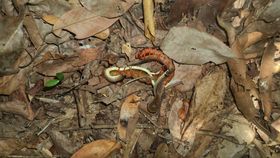


Many people have an irrational fear of centipedes. Based on this picture, I would argue that it is not at all irrational. Researchers have witnessed for the first time a centipede attacking and eating a snake that was in the process of laying eggs.
Centipedes tend, for the most part, to eat other insects but they have been known to prey on vertebrates. This behavior, which was witnessed here at the Sakaerat Biosphere Reserve in Thailand, is described as opportunistic and what better chance than attacking a female snake during one of its most vulnerable times.
The observation is reported in the Journal of Insect Behavior and describes how at the moment of death the snake had laid three eggs already and it appeared that two more were still inside it. The centipede in this observation is part of the Scolopendrid genus, Scolopendra dawydoffi, a particularly aggressive species. The "giant" centipede, which is about 10 centimeters (4 inches) long has previously been observed eating baby rats, lizards, bats, and birds.
The scene is particularly gruesome because the centipede used its claw-like legs to hold the helpless snake still as it injected the snake with venom using its modified front claws, known as forcipules.
If you are curious (or you are planning to avoid this critter at all cost), this centipede is quite commonly found across Southeast Asia. We're sorry if this ruins your future holiday plans.



 1
1