


 Nature
 PUBLISHED



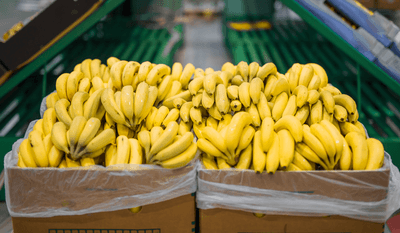


Billions upon billions of edible bananas are chucked away every single day, often because they’ve turned a little brown or developed some harmless freckles. In a bid to reduce this waste, a banana with genetic tweaks to resist browning is one step closer to British fruit bowls.
On September 25 the fruit received a marketing notice from the UK Department for Environment, Food & Rural Affairs – a major hurdle to clear before reaching UK supermarkets, though it still needs to pass safety checks from the Food Standards Agency (FSA) before it can be sold in shops.
The UK isn't the first to move on this particular modified variety, developed by UK-based company Tropic Biosciences. The non-browning banana previously received some level of regulatory approval in at least 11 other countries, including the US, Canada, Japan, and Brazil.
The main benefit of the new fruit is that it increases the lifespan of peeled or sliced banana, which usually goes brown after just a few minutes. The new version can keep its fresh appearance for up to 24 hours after peeling, according to Tropic.
How does the gene-editing work?
Most of the bananas eaten today are Cavendish bananas, a seedless variety that is sterile and unable to reproduce sexually. Instead, new plants are grown from "suckers" or tissue culture, making every banana plant a genetically identical clone.
Using the gene editing technology CRISPR-Cas9, Tropic's scientists took Cavendish bananas and “switched off” the PPO1 gene responsible for producing polyphenol oxidase, a copper-rich enzyme that triggers browning. Bananas have three copies (alleles) of this gene, so all three were edited.
Without the enzyme, the bananas stay yellow for longer after peeling, resist bruising, and have an extended shelf life. This, according to Tropic, could substantially reduce food waste. And because Cavendish bananas reproduce as genetic clones, these edits carry over unchanged each time the plant is propagated.
Bananas are one of the most wasted types of food in the world, with almost half of the global crop going uneaten and left to rot. In the UK alone, an estimated 1.4 million edible bananas are chucked in the trash each day, often because they bear minor bruises or black marks.
Are GM foods safe?
Decades of independent studies have found genetically modified foods are just as safe and nutritious as conventionally bred crops.
Nevertheless, they can get a sour reception from consumers. Despite reports, for example from the National Academies of Sciences, that there is a scientific consensus on the safety of GM foods, Pew research from 2016 found only around half of Americans believe GM foods are safe.
In this case, the bananas are actually classified under UK law as a "precision-bred organism," which is a legal category for genetic modifications that could, in principle, have been achieved through traditional breeding. This means that if the FSA does approve them, they will not need to carry a "gene-edited" label.
Despite reservations, GM foods are likely to become an increasingly important staple as the world battles climate change and an expanding population.
The global population is heading toward 10 billion, while heatwaves, droughts, and disease are making farming harder in many regions. From disease-resistant pigs to heat-resilient corn, gene editing may prove to be one way to wade through these troubles.


 1
1