Health and Medicine
 PUBLISHED
 3
3


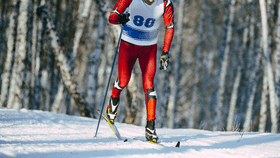


A frozen penis is a rare side effect of sport, but for athletes at the Winter Olympics, it seems nothing’s off the cards. A recent race at the Beijing Games ended in exactly that for a cross country skier, who survived freezing winds and was eventually able to regain feeling, only to be rewarded with terrible pain.
The unfortunate incident occurred during what was meant to be the men’s 50 kilometer mass start skiing race. It had been delayed for fears the weather was getting a little nippy even for winter sports, but eventually went ahead at a shorter distance of 30 kilometers.
Perhaps not quite such a torturous test of endurance as the original race length, but it proved to be a challenge for heat-sensitive penises all the same.
Cross country skier Remi Lindholm, representing Finland, perhaps felt this more so than anyone, speaking candidly of the grueling experience:
“You can guess which body part was a little bit frozen when I finished,” he told Finnish media, the Guardian reports.
After an hour and 15 minutes on the track, Lindholm found himself with the second case of frozen penis in his career. A similar event unfolded in Ruka, Finland, last year. The racer was given a heat pack to try and remedy the situation, but unfortunately, the defrosting process brought on “unbearable” pain. Why?
“Cold has an analgesic effect, something we use medically to numb skin before injections,” a burns registrar told IFLScience. “This could explain why he would have increased pain as the affected area returned to warmer temperatures.”
Frozen penis is, in effect, like the cold damage suffered by soft tissue anywhere on the body when exposed to freezing temperatures. Mild cold shocks will probably recover without intervention. However, extreme cold can lead to burns which is no joke when it comes to genitals, and can have lasting damage.
“If ice burns are deep dermal or full thickness they will take longer to heal and have a greater likelihood of scarring,” the burns registrar explained. “Genital burns also have a higher chance of getting infected which delays healing and increases chance of scar formation.”
Testicles can sometimes respond to cold weather to some extent as the “cremasteric reflex” can shorten the gap between the testes and the body for some people. This can help the testes retain the right temperature in order to carry on happily producing healthy sperm.
However, it seems cross-country skiing in Baltic breezes pushes this adaptation to its limits and does little to warm the rest of the equipment. So, how does it feel to teeter on the brink of frostbite in such a sensitive area?
“It was one of the worst competitions I’ve been in,” Lindholm said. “It was just about battling through.”
Yikes.
[H/T: CBS Sports]