Nature
 PUBLISHED



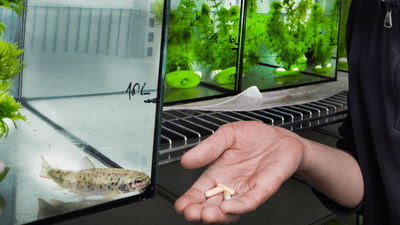


A study of wild salmon exposed to cocaine and its metabolite benzoylegonine indicates that concentrations now common in urban areas can dramatically change their behavior. Although these pick-me-ups didn’t shorten the fishes’ life expectancies, as had been feared, their unnatural expansion might be making invasive species worse.
So many people are now frequently using cocaine and other illicit drugs that disturbing levels are appearing in wastewater and reaching the environment. And laboratory experiments have revealed increased activity and aggression in certain aquatic animals when exposed to cocaine…
However, Marcus Michelangeli at Griffith University and co-authors write in a new paper: “Animal behavior is highly sensitive to environmental conditions, with research often finding that behavioral traits measured in the laboratory are not representative of those expressed in more naturalistic settings.”
To see what effects cocaine would have, the researchers released three sets of 35 salmon fry into Lake Vättern, a large Swedish lake where cocaine concentrations are low.
A third of the salmon had implants that diffused cocaine into their bodies at rates matching those detected in relatively polluted waterways. A third received a similar dose of benzoylecgonine, the main molecule cocaine is metabolized into after humans have had their fun with it. The last third were controls, receiving implants but no drug dosage (sorry control fish, but you don’t get to complain about being scammed when the drug is illegal).
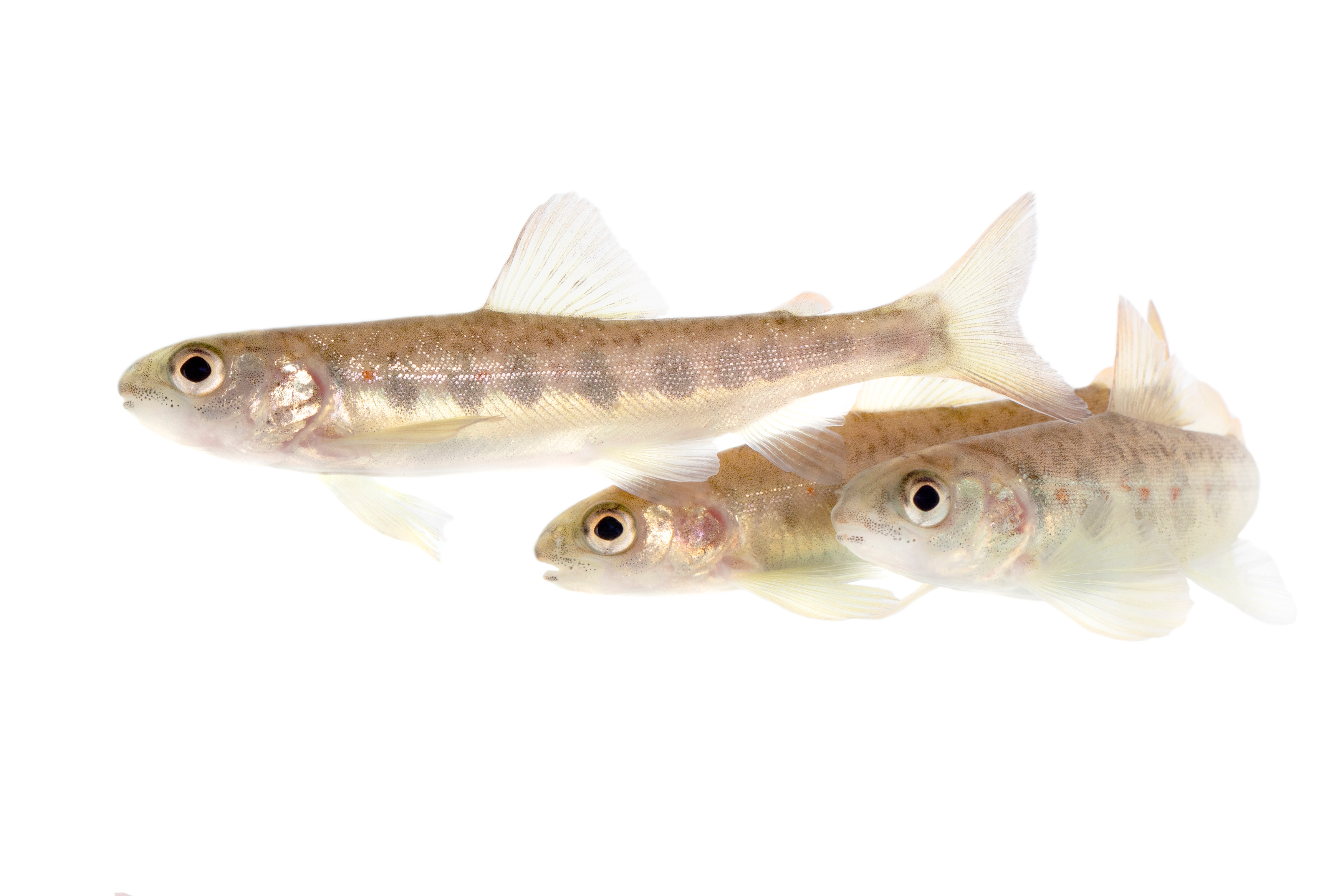
Each fish carried a tracker that allowed the researchers to watch its movements, and significant differences were observed in both weekly movement and how far into the lake the fry dispersed. Initial differences were small, but by weeks five and six the team found the benzoylecgonine receivers swam 50 percent further than the control group.
By weeks seven and eight, the benzoylecgonine-affected fish swam 90 percent further, and the fish getting the cocaine straight were also swimming notably further on average, albeit with a large overlap with the controls. All this extra swimming led them to disperse more widely through the lake.
Survival rates for salmon are low – they are a species that prioritizes laying vast numbers of eggs over parental care to maximize the chances of a few making it to adulthood. Consequently, the team wasn’t surprised that over time, more and more fry stopped moving, presumably because they had died.
What was unexpected was that there was no statistically significant difference in survival rates between the groups, with salmon in the control group dying somewhat earlier on average. Cocaine had been expected to make the fish live fast and die young, perhaps from venturing beyond safety.
“Where fish go determines what they eat, what eats them, and how populations are structured,” Michelangeli said in a statement. “If pollution is changing these patterns, it has the potential to affect ecosystems in ways we are only beginning to understand.”
It might seem that fish that swim significantly further and are possibly more likely to survive the first few months of life are nothing to worry about. Perhaps we should even be putting more cocaine into the water supply for their benefit.
However, Michelangeli told IFLScience: “Any unnatural change to behavior is not a good thing. There are probably cascading effects, changes to population dynamics. We don’t know how exposure influences reproductive events or how they interact with predators.”
The nature of the experiment meant the scientists could not test for aggression, but, as mentioned earlier, lab research has found increased aggression in aquatic species given cocaine in the past.

The fish in the experiment were too small to be caught legally, and they would have metabolized both molecules well before they reached legal size. The authors also note that the concentration of the drug is not sufficient to be hazardous to humans for whom fish is just one part of a balanced diet.
However, Michelangeli told IFLScience that while some of the cocaine found in fish in polluted waterways is captured by their gills, most bioaccumulates through the food chain. That means species that prey on larger fish may be vulnerable, so perhaps cocaine bear is not so far from the truth after all, at least during salmon season.
Michelangeli told IFLScience that no wastewater treatment system is capable of removing all the pharmaceuticals and illicit drugs we are increasingly excreting.
Nevertheless: “More-advanced systems are better,” he said. “Some of our systems don’t [remove as much as possible] because of the expense and it being seen as unnecessary.”
If you’d rather “cocaine shark” is released as a shlock horror film than a documentary, we might want to rethink the unnecessary part of that equation, although recent reports raise the possibility we might be too late.
The study is published in Current Biology.