Nature
 PUBLISHED



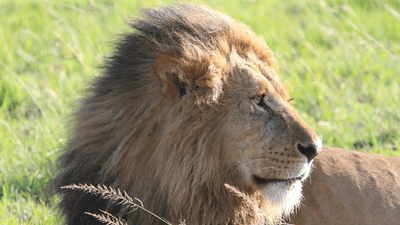


DNA forensics is a critical component in the investigation of crimes committed against humans, but a new court conviction in Zimbabwe has shown it can prove pivotal in wildlife crimes, too. The results of a forensic investigation of animal remains were used to secure a criminal conviction for the killing and trafficking of an individual lion – something that’s never been done before.
“This breakthrough represents more than scientific achievement,” said Victoria Falls Wildlife Trust in a release. “It embodies our determination to protect biodiversity for future generations to come.”
Lions are among the most trafficked big cats in the world. Their body parts – including claws, teeth, and skin – are traded as ornaments and jewelry.
A 2026 paper found that African lions (Panthera leo) are increasingly being killed to supply this trade. They are traded internationally, and it’s feared that without interventions this kind of killing and trafficking could lead to significant lion population collapse and even local extinctions.
Bad news, I think we can all agree, but how can we crack down on this insidious crime? Turns out, just the same way as we crack human crimes: DNA.
In a landmark case, lion claws and body parts seized from suspects were genetically matched to a known lion that was illegally killed using a snare near Zimbabwe’s Victoria Falls. This is crucial because the possession of wildlife products in itself isn’t a crime, so a conviction can only be secured if the remains are proven to be those of an illegally killed animal.
A team of scientists at the Victoria Falls Wildlife Trust laboratory, working with support from TRACE and TRAFFIC, used a new technique to get a full DNA profile from the seized lion parts. That profile could then be compared against the stored data of known lions, which included the illegally killed lion from Victoria Falls.
Being able to definitively ID the lion was the pivotal piece of evidence that enabled the team to secure a criminal conviction. The convicted received 24-month prison sentences, marking the world’s first conviction based on forensics from a single lion.
“This conviction is far more than a single success — it represents a step change in how wildlife crime can be investigated and prosecuted,” added Richard Scobey, Executive Director, TRAFFIC. “Thanks to sustained support from players of [the UK's] People’s Postcode Lottery, countries now have the forensic capability to bring solid, science-based evidence into court – strengthening protection for lions and reinforcing wildlife law enforcement across Africa.”



 1
1