


 Nature
 PUBLISHED

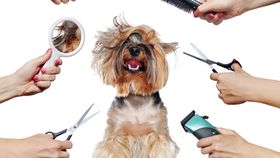


As temperatures pick up, it might seem like giving your pet a summer ‘do would be in their best interest. However, most pet experts advise against shaving your furry friend during the summer months, according to WebMD. That’s because animal hair isn’t the same as humans’ and works in ways that, though seemingly contradictory, help keep them cool when things heat up.
Humans regulate temperature by sweating. When we overheat, some 3 million sweat glands produce moisture that evaporates on our skin to lower our body temperature. The more sweat, the cooler the body.
Dogs, on the other hand, only have sweat glands on their paw pads. Instead, they enact a two-part cooling method through panting and vasodilation, according to Rover. Panting gives our pups as much as 80 percent of their cooling abilities. Breathing quickly brings cold air into contact with the wet tissues inside their mouth and lungs. That moisture then evaporates and dissipates heat through the body.
Here’s where their fluff comes in. Our pets' coats are natural thermal regulators that act like insulation, keeping warmth close to the body during cold seasons and colder air locked in during the summer, and shaving your pet interferes with that natural design. A lot of dogs have a double coat made up of a combination of long, stiff “guard” hairs and short, fluffy “dense” hairs. This double coat is waterproof, protective, and acts as insulation in the same way our homes do. Shorter-haired dogs get virtually no benefit from a shave. In fact, cutting an animal’s fur too close could put them at risk of sunburn and skin cancer.
Cats are equally skilled at regulating their body heat and, because they’re much more mobile and small, they can easily move to cooler spots when needed.
There are some exceptions, however. Certain dog breeds have been bred to have thicker coats and these pups could use a little extra help cooling off in the summertime. Older dogs and those prone to matting or hot spots may also benefit from fur-cuts, though shaving is still not advised. As well, dogs living in humid or tropical climates can benefit from a shave.
If you do opt to shave your dog, experts recommend hiring a pro who is accustomed to dealing with skittish dogs to reduce the likelihood of injuring your pup. Keep the clippers cool, and be sure to leave at least an inch of hair to protect them from sunburns and colder nights. Be extra careful not to shave too closely as this can cause hair to become embedded in the skin and potential skin issues.




 1
1