Humans
 PUBLISHED
 1
1


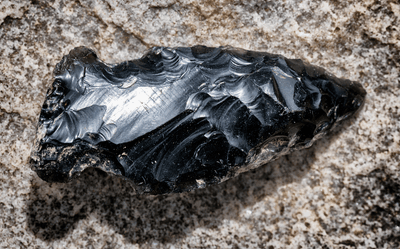


For more than 1,000 years during the Neolithic period, pastoralists in central Anatolia decorated their razor-sharp obsidian arrowheads with strange geometric designs. Such behaviors have never been observed in any other part of the world, and while archaeologists have been aware of this unique tradition for decades, all attempts to decipher the meaning of these ancient etchings have proven futile.
Obsidian is a type of volcanic glass that was highly prized by prehistoric toolmakers worldwide due to its shiny black appearance and unmatched sharpness. Central Anatolia, a region of Turkey, was rich in obsidian, and thousands of ancient tools made from this premium material have been found at archaeological sites across the region.
Bafflingly, however, just a handful of these are engraved, and as far as anyone can tell, there’s absolutely nothing special about the decorated arrowheads that might indicate what their purpose was. Adding to the mystery, the authors of a new study report the discovery of 11 engraved arrowheads at the site of Tepecik-Çiftlik, yet state that, aside from their markings, these weapons are “indistinguishable from other arrowheads at the site.”
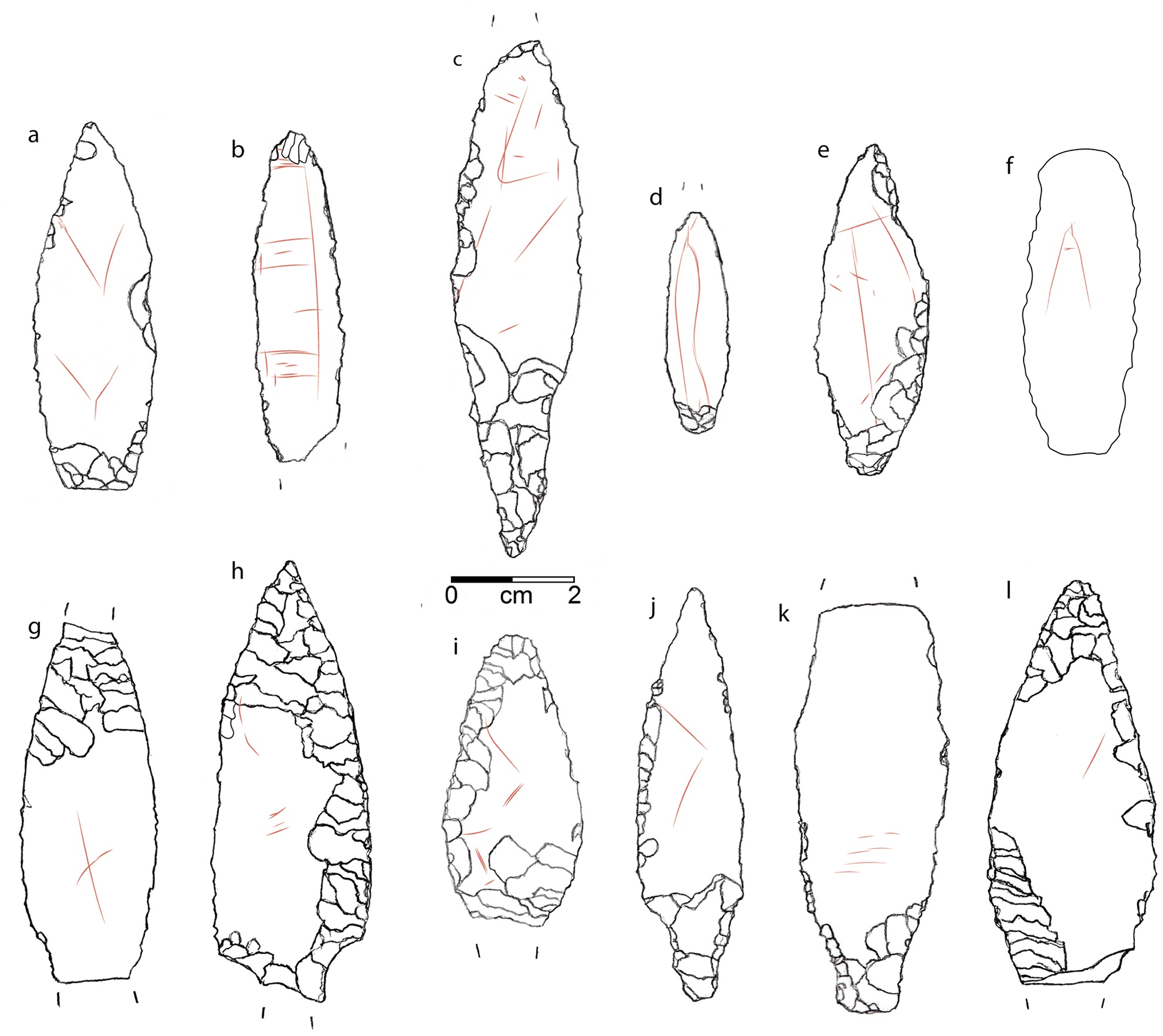
The newly identified examples range in age from roughly 9,000 to 8,000 years old, and bring the total number of engraved points in central Anatolia to 54. This represents barely a smidgen of the thousands of obsidian arrowheads unearthed across the region, which would seem to imply that there was something unique or important about these particular items.
However, the researchers found that this wasn’t the case. For starters, the marked arrowheads are physically identical to all other obsidian points from Anatolia, and were found mixed up with regular arrowheads in unremarkable locations like dwellings or chipped stone workshops.
None of the decorated examples were found in graves or other contexts that would suggest some sort of ceremonial or ritual function. Use-wear marks on these arrowheads, meanwhile, indicate that they were just as likely to be used for hunting as any other obsidian point.
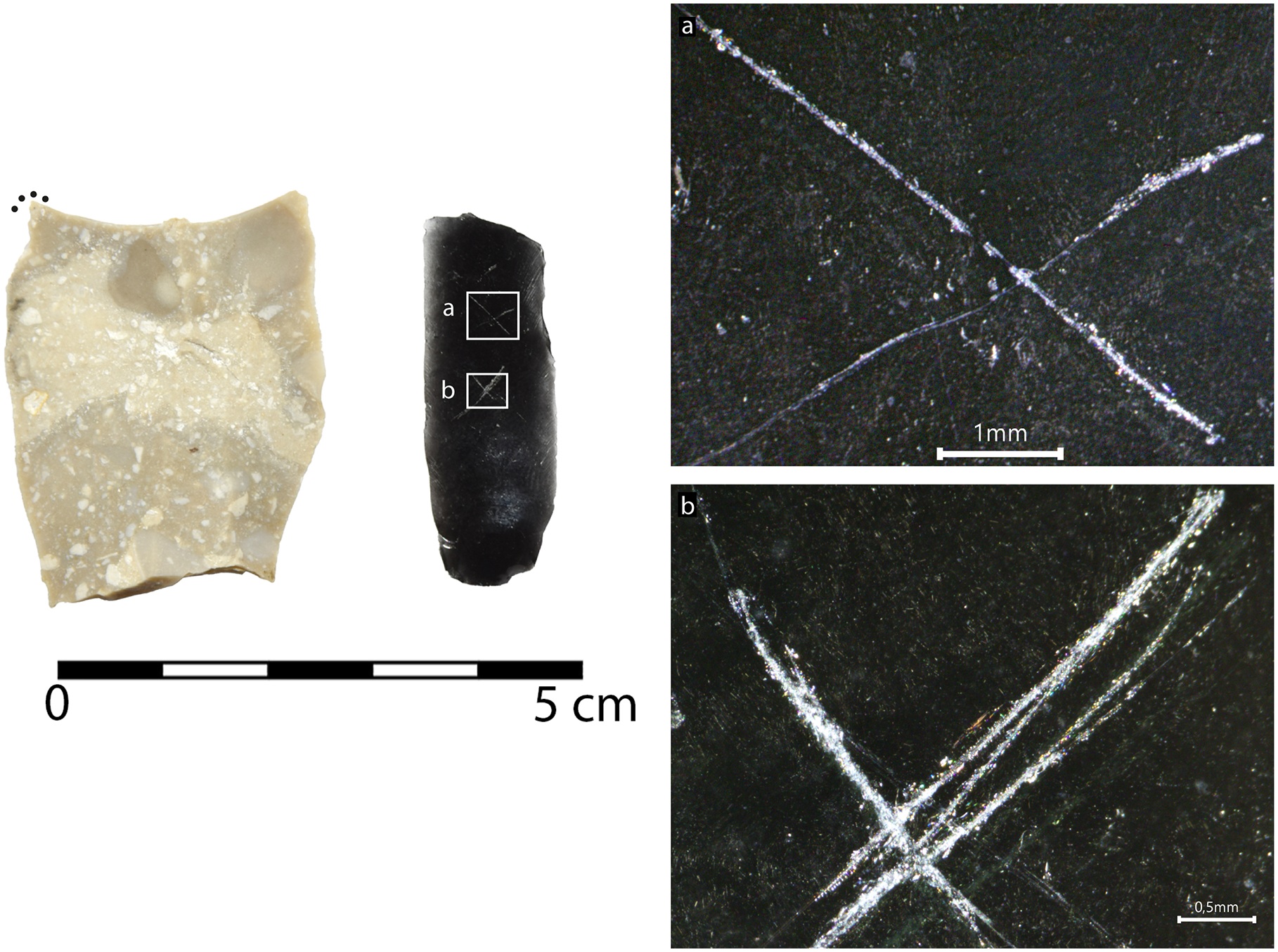
“Overall, the functional evidence supports the interpretation that incised points were functionally integrated into Neolithic hunting or armed conflict, rather than being exclusively symbolic or ceremonial,” write the study authors.
Previously, it had been suggested that the markings served as a kind of identity tag for individual hunters, who used them to claim credit for their kills. However, the fact that so few arrowheads were engraved over a period of 1,000 years makes this hypothesis difficult to support.
Turning their attention to the markings themselves, the researchers found that they were definitely not accidental, as they could only be made using rare materials like flint and required repeated intentional strokes to produce visible lines. In one case, an ancient toolmaker seems to have gone over the same marking about 20 times, thus ensuring its visibility.
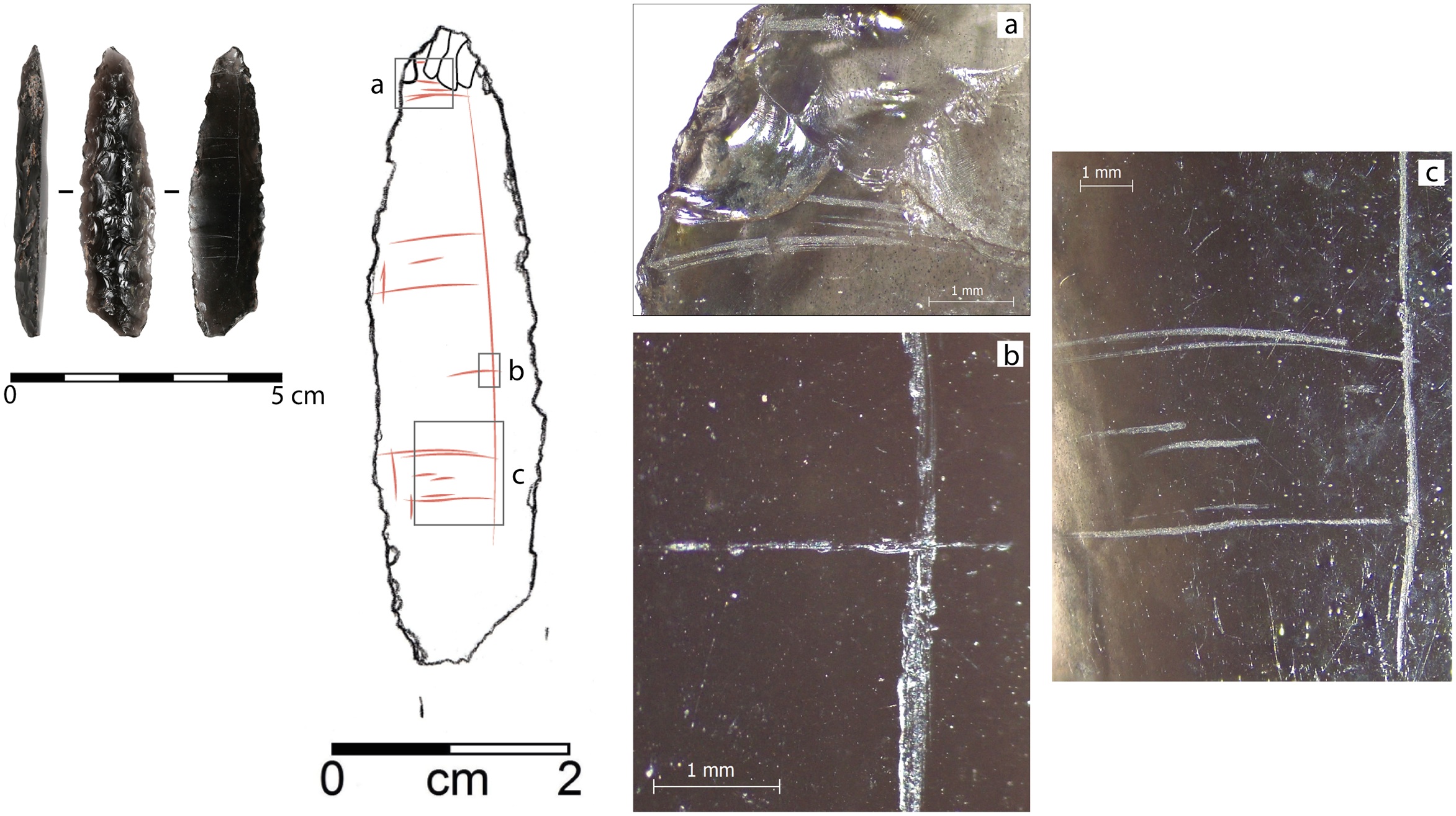
Puzzlingly, however, all of the designs are completely unique, with no repeating patterns or motifs identified across the 54 engraved arrowheads. The production process also varied, with some arrowheads etched after their manufacture had been completed while others were marked before their edges had been retouched.
Despite the fact that this practice is completely unique to central Anatolian Neolithic communities, the researchers ultimately find the evidence too baffling to allow any coherent interpretation of the engravings.
“Between simple decoration, marks of identification, and magical practices, there is no decisive argument allowing one hypothesis to be distinguished from another,” they write.
“Moreover, these interpretations are not necessarily mutually exclusive,” add the researchers, implying that there may be no single explanation for the engravings, as they might not all have served the same purpose.
The study has been published in the journal PLOS One.