Health and Medicine
 PUBLISHED




The idea that SARS-CoV-2, the virus behind COVID-19, may be able to persist in the body long after the initial symptoms have faded has captivated scientists, especially those researching long COVID. A recent study has added another piece to this puzzle by demonstrating the persistence of viral proteins in blood plasma samples for up to 14 months after the initial infection.
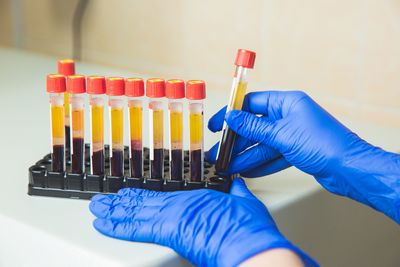
The research team obtained samples of frozen plasma from 171 adults who had been recruited for a study back in 2020. The vast majority were people who’d been infected early in the pandemic before vaccines against COVID-19 were a thing. Their samples were compared with plasma from 250 people collected pre-2020, in the halcyon days before COVID-19 entered our lives (remember those?).
The detection platform was set up to look for signals from three SARS-CoV-2 antigens: the S1 surface protein, the nucleocapsid protein, and the spike protein.
In total, 660 specimens from the pandemic group were tested, covering timepoints of 3-6 months, 6-10 months, and 10-14 months after their original COVID-19 infections. Of the individuals within the group, 25 percent had one or more detectable antigens in at least one of their samples. The most frequently detected was the spike protein, followed by S1 and nucleocapsid, which had similar frequencies to each other.
Patients who had been hospitalized when they originally had COVID-19 were almost twice as likely to have antigens present. Among those who did not receive hospital treatment, the people who self-reported worse health were also more likely to have positive antigen detection, suggesting a correlation with the severity of the acute phase of COVID.
Linking their results with those from another study, which found replication-competent virus particles – i.e. virus that could still grow and infect cells – in the blood of a woman who had recently died from COVID, the authors write that their “findings suggest that SARS-CoV-2 might seed distal sites through the bloodstream and establish protected reservoirs in some sites.”
Alternatively, they suggest, it could be that those with more severe infections got a heftier dose of virus in the first place, meaning there was more of it around to potentially evade the immune system for longer.
"The thing that I find so compelling about the data in this study is that there is a pretty striking relationship between how sick people were during their acute COVID infection and how likely they were to have evidence of antigen persistence," first author Dr Michael Peluso told Psychology Today.
"To a clinician like me, that is very convincing, because intuitively, it makes sense that people who perhaps have a higher burden of virus upfront would be more likely to have a virus that sticks around."
In an appendix to their work, the authors detail several limitations of the study. Since the majority of the patients were infected before we had vaccines and antiviral treatments for the virus, it’s unclear whether these same results would be seen in people who caught COVID later on. It’s also possible some of the participants got reinfected with COVID without knowing, meaning that some of the antigen signals could be from later infections.
However, the question of whether persistent SARS-CoV-2 may be related to either long COVID or complications later down the line remains an important one.
“[O]ur data provide strong evidence that SARS-CoV-2, in some form or location, persists for up to 14 months following acute SARS-CoV-2 infection,” the authors conclude. “This persistence is influenced by the events of acute infection. These findings motivate an urgent research agenda regarding the clinical manifestations of SARS-CoV-2 persistence, specifically whether it is causally related to either post-acute chronic symptoms [...] or discrete incident complications.”
The study is published in The Lancet Infectious Diseases.