Nature
 PUBLISHED


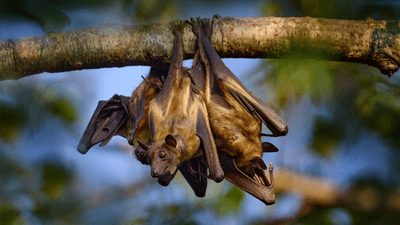


How would you feel to be surrounded by 10 million bats? For wildlife cameraman Josh Aitchison, it was an “extraordinary spectacle,” and one that he had to spend three weeks living in a tree to capture from a unique angle.
Straw-colored fruit bats, Eidolon helvum, are a large species of Old World fruit bats, Pteropodidae. Their diet of fruit and flowers means they serve an important ecosystem service by dispersing seeds and pollen during their flights, which range from daily trips of tens of kilometers, to their epic annual migration.
That migration brings an estimated 10 million straw-colored fruit bats to Kasanka National Park in north-central Zambia, considered to be the largest mammal migration in the world. It’s also one of the largest known aggregations of fruit bats in the world, according to a 2007 study.
It’s unsurprising, then, that such a record-breaking event makes for quite the aerial spectacle, and it’s one that wildlife cameraman John Aitchison got to see from a unique perspective when he spent three weeks filming from a tree in Kasanka National Park. The epic filming marathon features in the BBC series Mammals, narrated by Sir David Attenborough,
“Some of them have come 1,000 kilometers [621 miles] to be here just for a few weeks,” said Aitchison in a video about his experiences. “When they leave, there’s this extraordinary spectacle [that’s] really on a different level to any other view of mammals you will ever get.”
“There are millions of bats in the air at the same time, it’s just amazing. One of the most extraordinary things about it, is [that] they're really noisy when they're in the roost here and then when they leave, they go completely silent and you can't even hear their wings. The sky is darkening with bats but you can't hear them.”
Mammals was quite the series for world-first footage and record-breaking animals, including the first time leopards have been filming hunting roosting baboons at night, and a charming segment on the world’s smallest mammal – the Etruscan shrew.
[H/T: The Kids Should See This]