Technology
 PUBLISHED


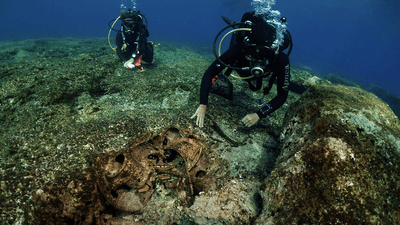


Archaeologists have used the Iliad, an Ancient Greek epic poem written in the eighth century set towards the end of the legendary Trojan War, as a guide to locate shipwrecks off the coast of Greece.
Researchers from Greece's National Research Foundation and the Ministry of Culture used various historical sources to locate 10 shipwrecks that sunk at points between 3000 BCE to World War II around the island of Kasos. Among these sources was Homer's Iliad, which references Kasos as a trading hub that joined the fight against Troy.
Vessels found included wrecks from 3000 BCE, the classical period (around 450 BCE), Roman times (200 BCE - 300 CE), through the medieval and Ottoman periods, as well as one 25-30 meter (82-98 feet) wooden boat with metal components believed to be from around World War II, according to a statement from the Greek Ministry of Culture.
.png "Divers exploring a shipwreck")
The team has been searching the area since 2019, first locating the vessels before photographing them extensively and imaging the area using sonar. They also recovered artifacts and took samples from the wrecks, offering insights into the area's history. The researchers found that ships contained goods from Europe, Africa, and Asia, including a Spanish amphora with a seal on its handle dating it to around 150-170 CE, and African terra sigillata flasks dating from the Roman era.
More details on the finds will be released in due course, as well as studies by archaeologists and historians on the topic. A film on the project – Diving into the History of the Aegean – has also been created, and entered into several archaeological film festivals.

 1
1