Health and Medicine
 PUBLISHED






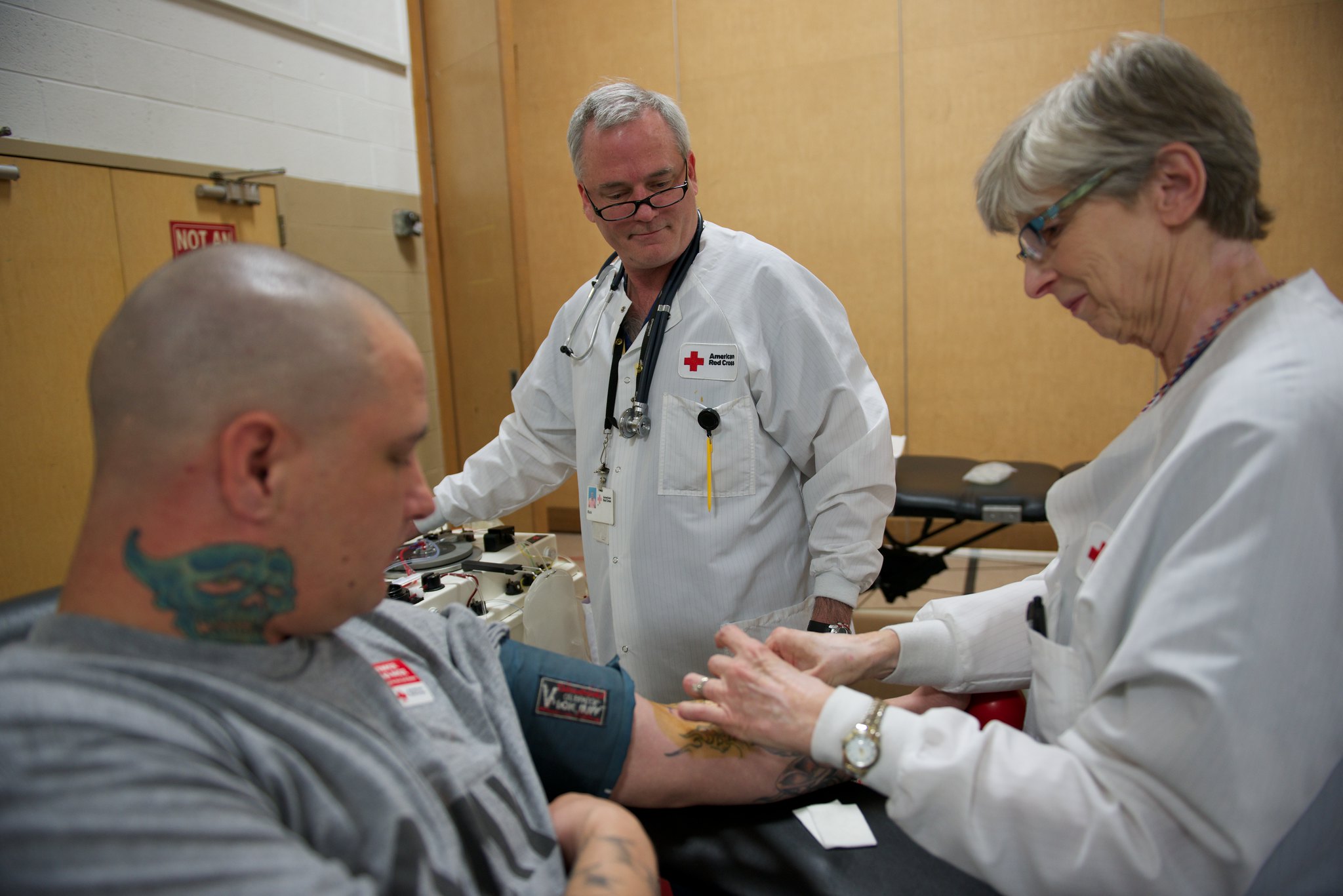
The American Red Cross has announced it's facing a national blood supply crisis for the second time in its 150-year history, as blood donations have fallen to a four-year summer low.
Accounting for 40 percent of US blood supply, the Red Cross is the nation's largest single provider of blood products. Yet at the end of July it reportedly had less than a day's worth of O-positive blood in stock. Other blood collectors have also reported shortages.
O-positive is the most commonly transfused blood type and can be safely given to 80 percent of patients. O-negative, on the other hand, is the universal donor type reserved for O-negative patients and emergencies where the recipient's blood type is unknown.
“The Red Cross takes its responsibility as the nation’s largest single provider of blood products incredibly seriously and has worked tirelessly to strengthen the blood supply for our hospital partners,” said Chris Hrouda, president of Red Cross Biomedical Services, in a statement.
“Every donation has the potential to help save lives, and we urgently need everyone who is eligible to make an appointment to give blood as soon as possible.”
What is causing the shortage?
According to the Red Cross, the recent drop in donor turnout can be attributed, at least in part, to extreme heat and air quality issues leading to fewer people attending clinics and blood drives. At the same time, summer weather increases demand on blood products because people spend more time outdoors, resulting in more injuries that require transfusions.
Even so, this summer seems to be exceptional. Speaking with the BBC, American Red Cross worker Courtney Lawrence said the organization is currently distributing about 3,500 more units than is normal for this time of year.
The only other time the Red Cross has declared a national blood supply crisis was in January 2022, when the drop in donors could be attributed to the cold winter weather and general disruption as a result of the COVID-19 pandemic.
Following that event, the Red Cross and its hospital partners have made improvements to their operations, including scheduling about 65 percent of anticipated blood needs in advance for more efficient and pre-emptive distribution. A continuous supply of new blood remains essential, however, as donated blood degrades within about 42 days.
"While these improvements have strengthened the blood supply, they cannot overcome a sustained decline in donations," the Red Cross writes in a statement.
"Maintaining a stable blood supply ultimately depends on volunteer donors of every blood type giving regularly. Every donation helps ensure lifesaving blood is available for patients every day — and when emergencies strike."
The organization said that just three more donors per blood drive would end the crisis and stabilize the blood supply. It also said that a strong supply of every blood type is "critical" to its efforts, as access to A, B, and AB blood preserves type O blood for the situations where it is most needed.
To address the crisis, the Red Cross is now also limiting its distribution of type O blood to hospitals to ensure that blood is available for the most critical, life-threatening emergencies across the country.
Approximately 60 percent of the US population is eligible to donate blood, but only around 3 percent donate each year. As an extra incentive, the organization has said that those who donate in August will receive a $20 Amazon gift card by email.
You can book an appointment to give blood now by using the Blood Donor App, visiting RedCrossBlood.org or calling 1-800-RED CROSS (1-800-733-2767).
A shrinking supply
The current crisis reflects a broader trend in US blood availability over the past two decades. From the mid-2000s to the late 2010s there was a substantial decline in both blood transfusions and collections.
While donation levels declined, this was generally met or outpaced by a decreased demand due to the improved management of the blood supply and an increased frequency of less-invasive surgeries that don't require transfusions.
Data collected between 2019 and 2021 suggests both demand and supply have stabilized in more recent years. But with the absolute volume of blood now significantly less than it was during the early 2000s, when it reached more than 15 million units, the supply may be more vulnerable to crises than it once was.
In 2023 the difference in the number of red blood cell units distributed (10,975,000) and transfused (10,328,000) resulted in a surplus supply of just 647,000 units nationally, according to the National Blood Collection and Utilization Survey (NBCUS). In other words, supply was just 6 percent above demand.
Tips from the frontline
A recent study suggests the US may have some lessons to learn from Ukraine's blood supply system, which has performed remarkably well despite massive pressures since the onset of the Russian invasion.
According to that study, Ukraine was hit by a 40 percent increase in demand for blood at the beginning of the war with Russia.
Despite damage to healthcare facilities and massive disruption to blood collection services, the country has remained entirely self-sufficient by centralizing its blood collection operations and expanding its donor recruitment.
The study notes that some of its strategies could be beneficial to other countries like the US, including extending blood center opening hours and recruiting new donors through social media.
“They have this great story to tell. They basically reorganized their whole national blood service from hospitals to a national system, and their ability to pass inspections was very impressive,” said senior author Dr. Glenn Ramsey, director of transfusion medicine in the department of pathology at Northwestern University Feinberg School of Medicine.


 1
1