Technology
 PUBLISHED


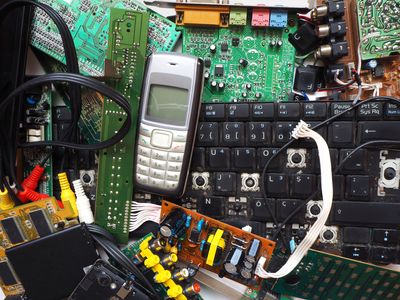


The piles of old smartphones, obsolete computers, and broken laptops that are piling up in junkyards are hiding mini mountains of gold, and a new project in the UK is hoping to exploit the invisible riches.
The Royal Mint, the UK’s official maker of British coins, has signed an agreement with Canadian clean tech startup Excir to use a “world-first technology” that can safely retrieve and recycle gold and other precious metals from electronic waste (e-waste).
Circuit boards within electronic devices contain small amounts of gold in their connections due to its conductivity properties, as well as other useful metals like silver, copper, lead, nickel, and aluminum.
Obtaining the metals has previously proved to be a challenge, but the technology developed by Excir is able to secure 99 percent of gold trapped inside e-waste in a matter of seconds.
After preparing the circuit boards with a "unique process," they're introduced to a patented chemical formulation that selectively extracts the gold in seconds. The gold-rich liquid is then processed and turned into pure gold that can be melted into ingots. The process also has the potential to recover palladium, silver, and copper.
"The Royal Mint has thrived for over 1,100 years thanks to our entrepreneurial spirit, and the Excir technology complements our ambition to be a leader in sustainable precious metals. The chemistry is revolutionary and capable of recovering precious metals from electronic devices in seconds. It offers huge potential for The Royal Mint and the circular economy – helping to reuse our planet’s precious resources and creating new skills in the UK,” Sean Millard, Chief Growth Officer at The Royal Mint, said in a statement.
Around 22 percent of e-waste is currently collected, properly stored, and recycled. However, with new technology like this, the scourge of scrapped electronics could be eased.
An estimated 62 million tonnes of electronic waste is produced each year globally – enough to fill over 1.5 million 40-tonne trucks. As demand for electronic gadgets increases, that figure is set to rise by a further 32 percent by 2030, making it the fastest-growing solid waste source in the world.
The World Health Organization declares e-waste as hazardous waste because it contains toxic materials and can leak toxic chemicals if not treated appropriately. For instance, discarded electronic equipment can pump lead and mercury into the environment, which can disrupt the normal development of the central nervous system during pregnancy, infancy, childhood, and adolescence. What’s more, e-waste isn’t biodegradable and accumulates in the environment.
Not only does this pose a substantial environmental problem, but it’s also a massive waste. In total, some $57 billion to $62 billion worth of precious metals could be sitting in landfill sites and scrapyards.