Humans
 PUBLISHED
 3
3


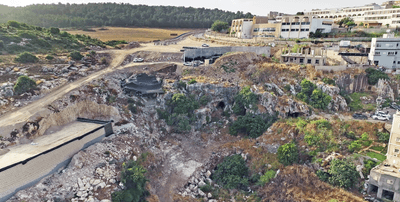


Long before Homo sapiens entered the picture, a "complex culture" was already taking shape in this hillside cave. By trawling through what's left here, the researchers say they've found small glimmers of what humankind would eventually come to be on the journey ahead.
Archaeologists from the Israel Antiquities Authority and the University of Haifa have been excavating the cave on the outskirts of Fureidis, a town south of Haifa in northern Israel.
The site contains evidence of human activity spanning from 400,000 to 250,000 years ago, a crucial window of time when this part of the world served as a geographical crossroads between Eurasia and Africa, where archaic human populations once met each other.
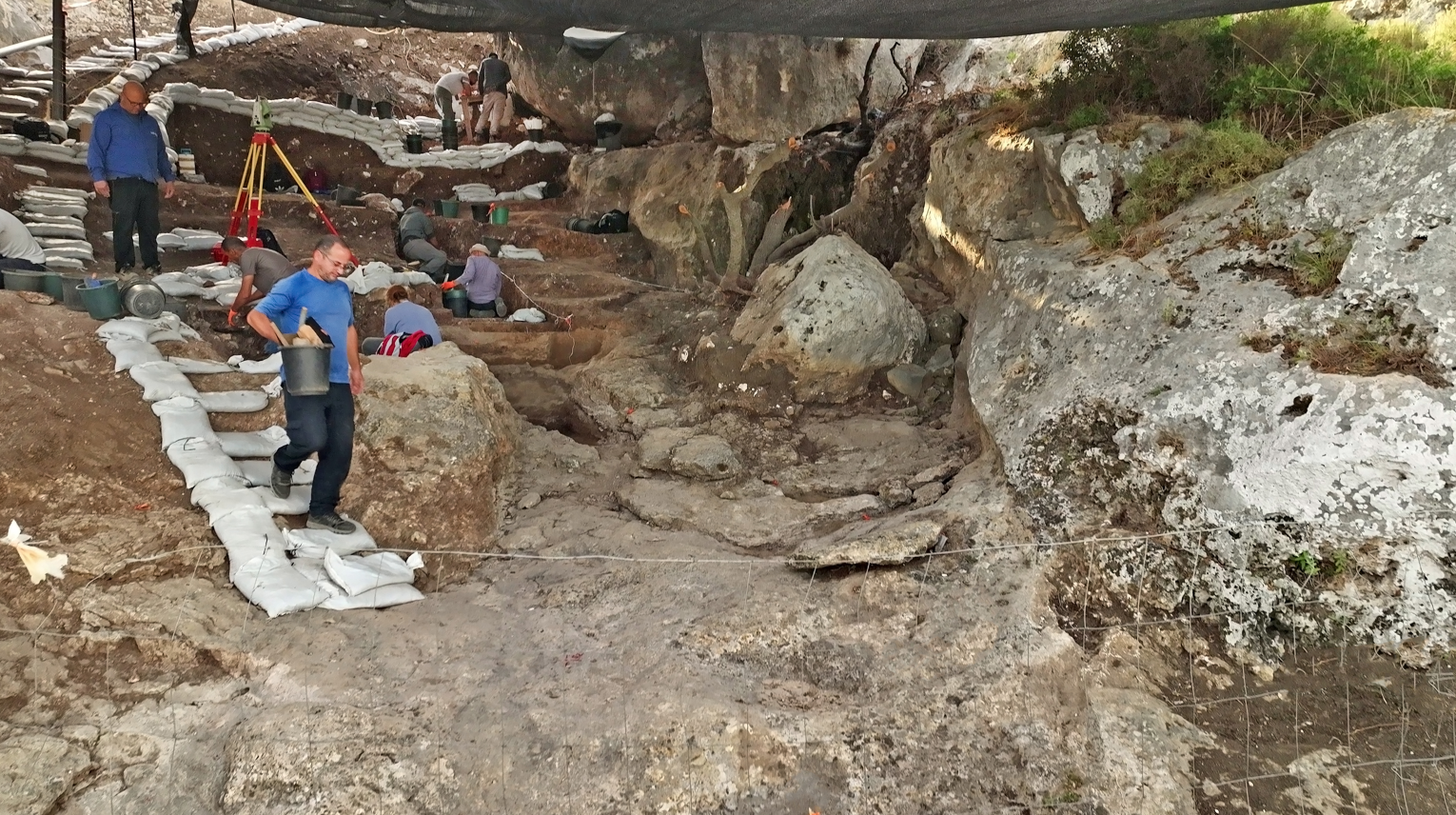
But this timeline means the site's earliest occupants were not humans as we know them today. Instead, its first phases were shaped by the Acheulo-Yabrudian complex, a culture attributed to pre-Neanderthals or to a distinct, unnamed archaic human lineage that roamed West Asia before both Neanderthals and modern Homo sapiens.
The team believes the cave is comparable to the renowned Nahal Me'arot site, also in northern Israel, which earned UNESCO World Heritage status for the wealth of insight it offers into this same chapter of human evolution.
“The site, which is no less important than the well-known Nahal Me’arot site – and dates to the same period – will allow us to study in high resolution how humans lived at that time. The culture we are investigating here was characterized by a variety of advanced methods for producing flint tools, including small sharp handaxes, scrapers, and blades,” Dr Kobi Vardi, head of the Prehistory Branch at the Israel Antiquities Authority, said in a translated statement.
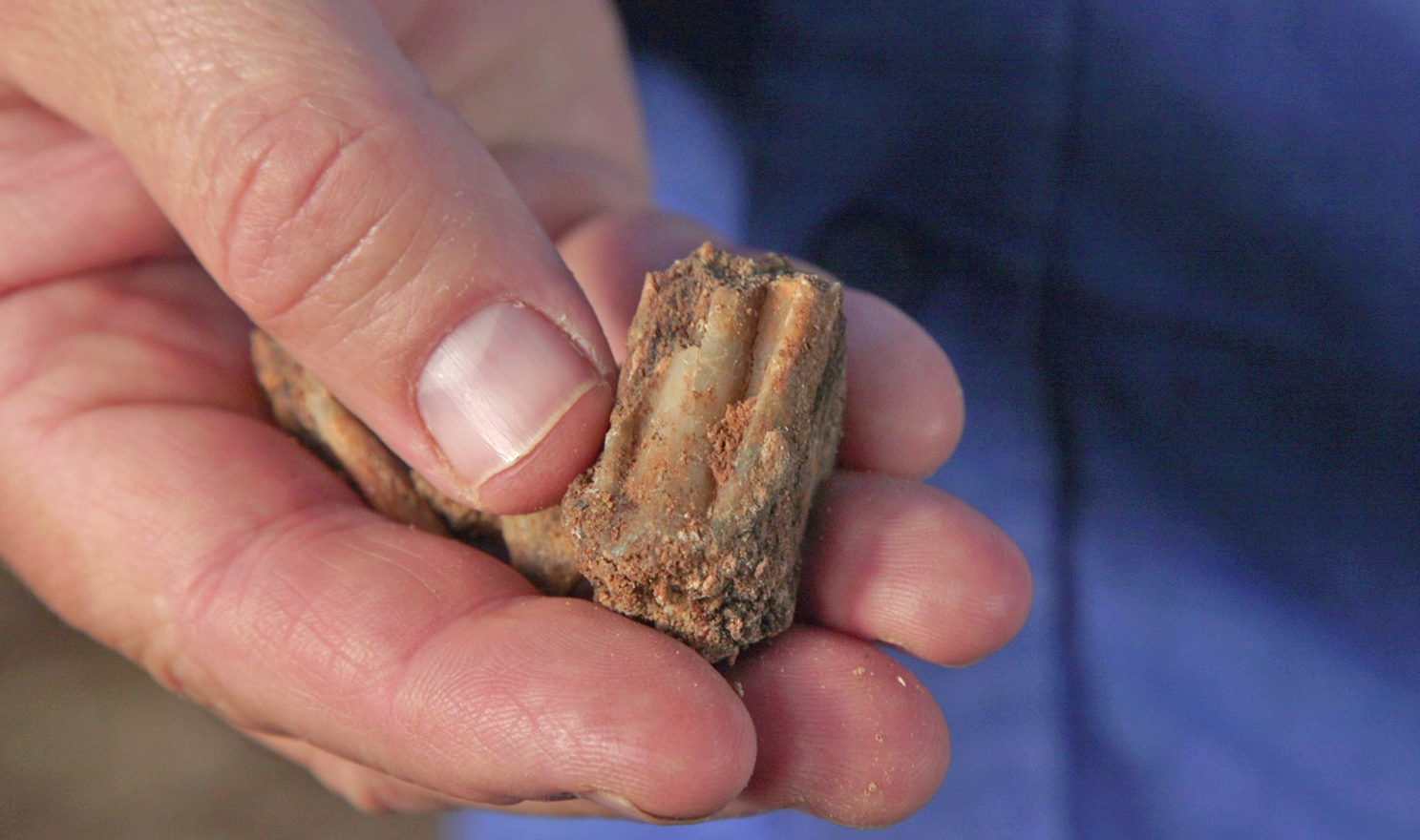
“The excavation is also uncovering animal bones, including fallow deer, gazelle, and ancient horses, alongside evidence of the presence of water, which may have made the site attractive for ancient hunter-gatherer groups,” added Dr Vardi.
All of these physical artifacts, they say, hint at the emergence of behavioral complexity that would later come to define both Neanderthals and modern humans.
“The gradual changes that emerged during this period in human physiology, technology, and society foreshadowed the traits and complex behavioral patterns that developed later and characterize both Neanderthals and modern humans,” explains Professor Ron Schimelmitz, an archaeologist at the University of Haifa.
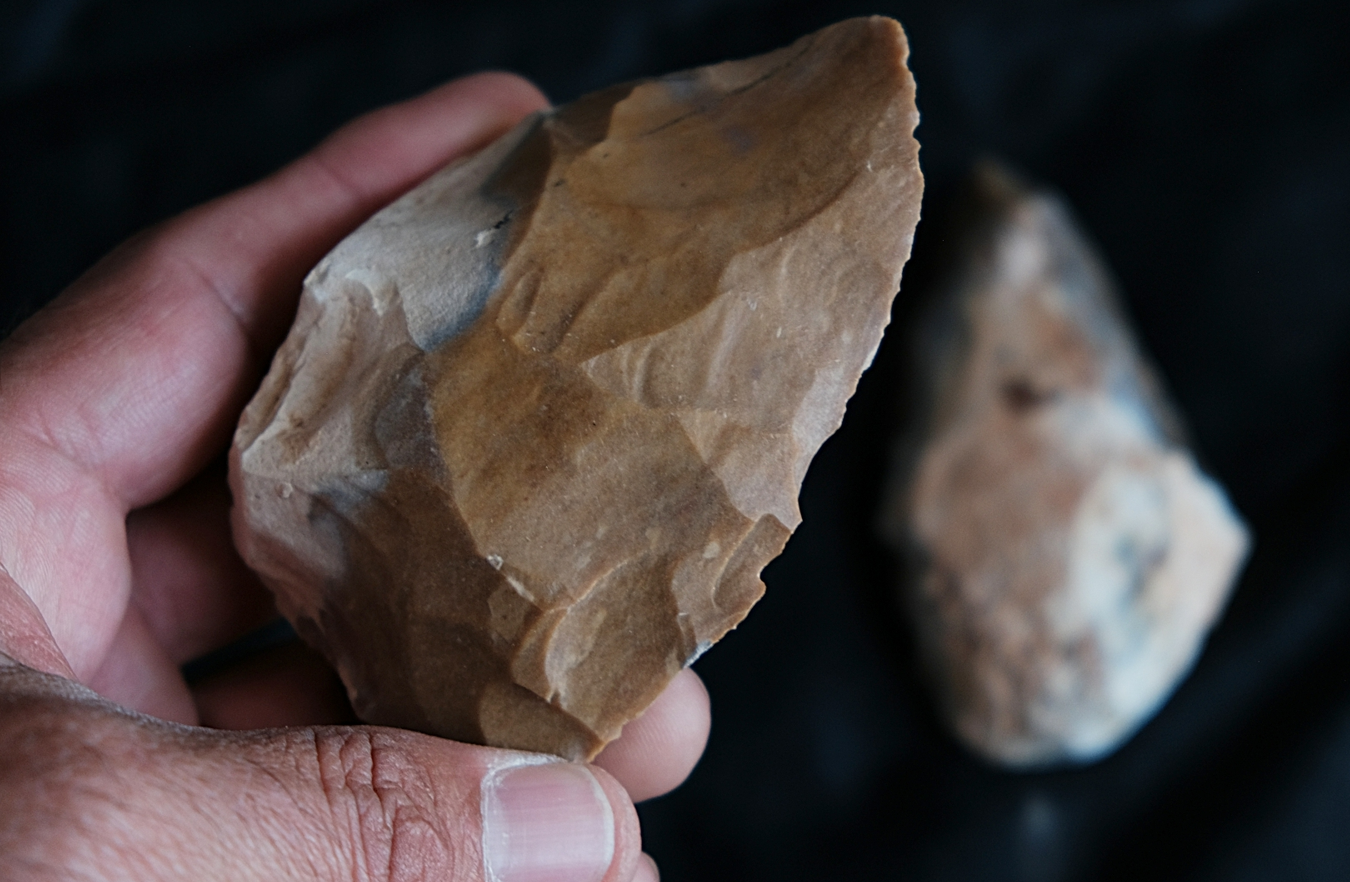
“To a degree, they can be seen as the seeds that led to the development of our complex culture. One of the central processes taking place during this period is the transition to living in larger groups and spending longer periods at the same sites. Caves from this period have yielded evidence of intensive use of fire and prolonged human activity, suggesting complex and rich camp life,” Schimelmitz added.
These changes are ultimately what allowed humans to become the dominant species on the planet. It didn't happen in one fell swoop at a single site; it unfolded over tens of thousands of years, through sparks that occurred across many regions. But at this cave, we see some of that long process distilled into a single, remarkable record.