


 Humans
 PUBLISHED



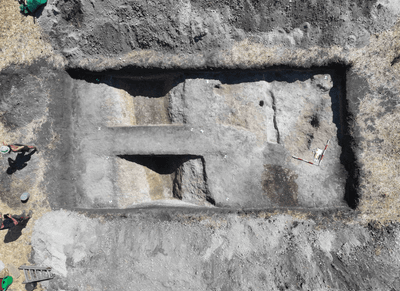


Animal horns, human burials, and strange alignments with the solar system suggest this site isn't just another field in Central Europe.
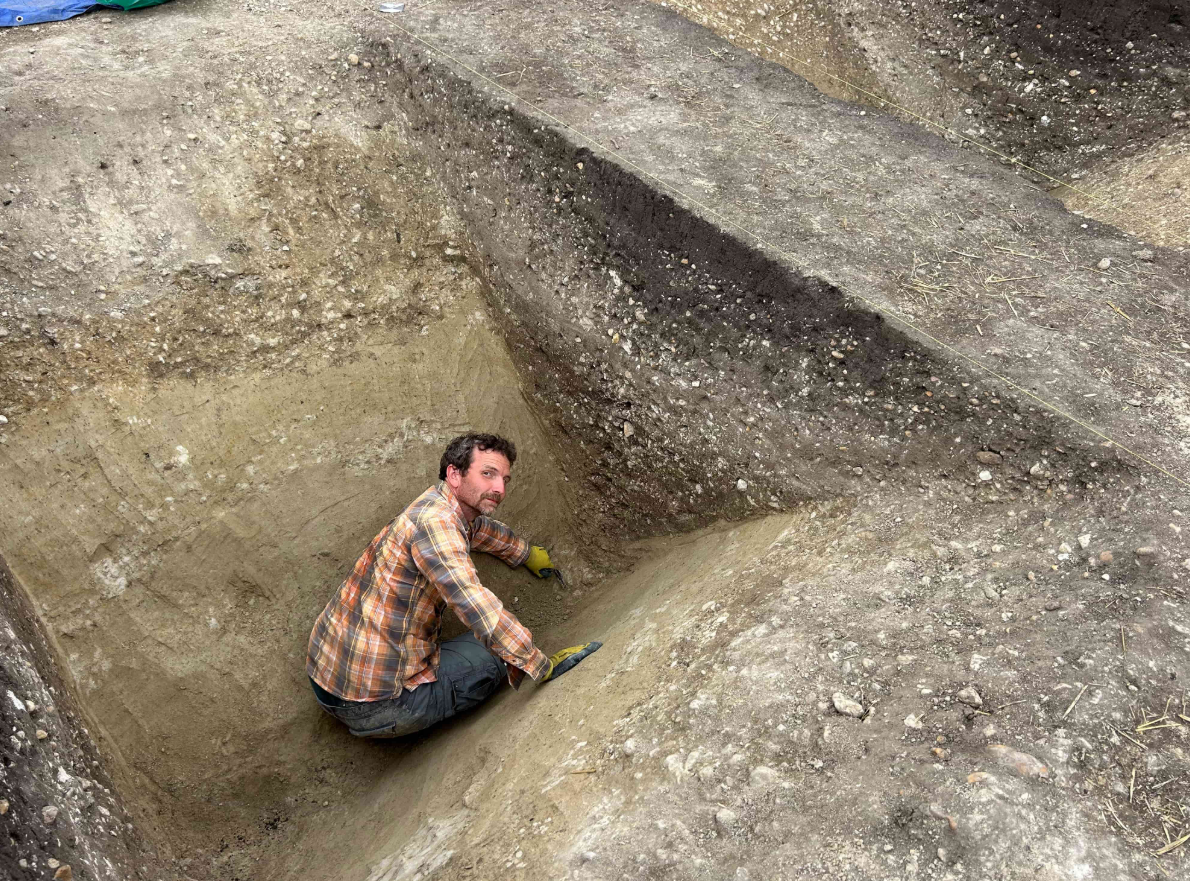
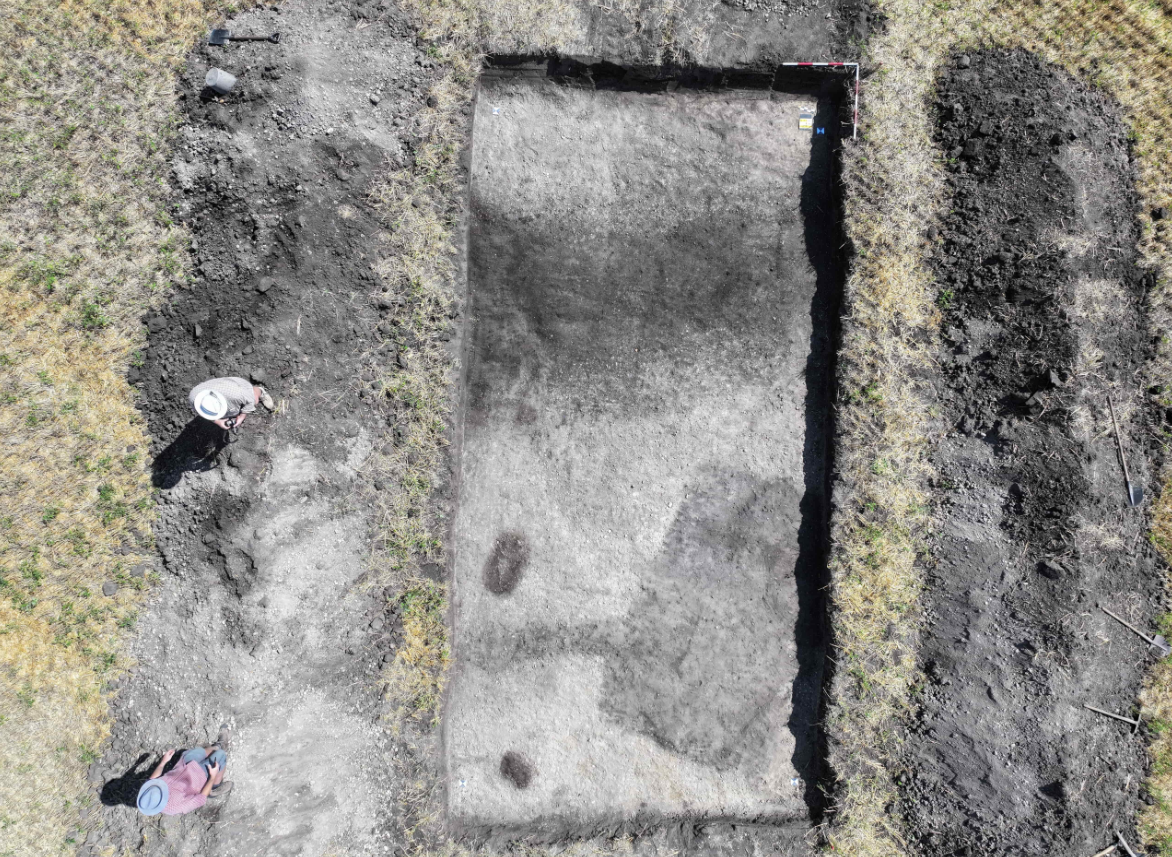
Archaeologists in Czechia have recently discovered a near-circular structure near Chleby in the central Bohemian region. Dated to around 6,500 years ago, over 1,000 years before construction began at Stonehenge, it’s like nothing ever found in the region before.
"Circular enclosures are completely unknown in our region for this period, which already makes the site exceptional. But when we began to analyze the positioning of the entrances in detail, it became clear that their arrangement was not random,” Petr Krištuf, lead researcher at the University of West Bohemia in Pilsen, said in a statement.
“Their geometry creates a system that made it possible to observe the most significant moments of the solar and lunar cycles,” added Krištuf.
Astronomy in 445 BCE
The researchers believe the buried structure represents a prime example of archaeoastronomy, a ritualistic tradition in which prehistoric people tracked and celebrated the movements of the sun and moon.
It appears to have had two main observation points. One is associated with the Moon’s extreme positions on the horizon during its ~18-year cycle, while the other links to the sunrise at the summer solstice and sunset at the winter solstice.
This is a similar arrangement to the astronomical workings of Stonehenge. If you stand in the center of the stone circle on the longest day of the year, looking northeast, the Sun rises directly next to the heel stone and the sunlight lands on the altar stone.
Stonehenge tracks the Moon as well, using its four Station Stones to align with the major lunar standstill, the point roughly every 18.6 years when the Moon rises and sets at its most extreme northern and southern positions on the horizon.
Despite these similarities, it seems unlikely that the makers of these two monuments were copying each other’s homework; the two structures are found over 1,000 kilometers (621 miles) apart, separated by the English Channel and many centuries.
A site of grand rituals
At the Czech site, animal remains are part of the whole schtick, much like Stonehenge.
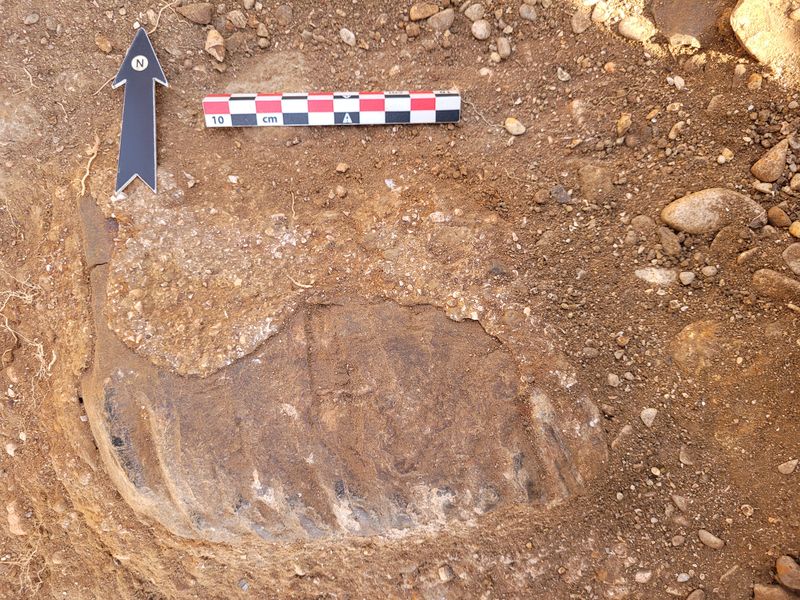
Archaeologists uncovered the remains of bull skulls and horns at the entrance of the ditches, which appear to have been used as some kind of decoration with symbolic meaning.
“We assume that they may originally have decorated monumental gateways leading into the enclosure. The cult of the bull was an important religious symbol among the first farming communities and is known from many parts of prehistoric Europe,” explained archaeologist Jan Turek, who is involved in the research on behalf of Charles University, also in Czechia.
Human bones were among the finds too. However, it appears the remains of the approximately 18 people found here were buried gradually over a long period of time. This, the researchers suggest, perhaps shows the site was used by a succession of different cultures who had a different relationship to the monument.
“While Stonehenge experienced repeated periods of renewed use and is still associated, for example, with Celtic druids, the first results from Chleby suggest the opposite development. By the Iron Age, the monument appears to have definitively lost its original significance. The ditch was gradually filled in, and an ordinary settlement was established on the site of the former sanctuary,” Krištuf added.


 2
2