Culture and Society
 PUBLISHED
 2
2


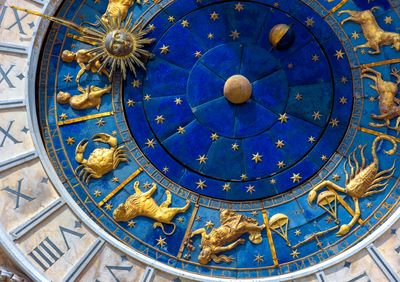


Astrology has received a well-deserved beating in a new study that’s shown zodiac signs have no link to a person’s well-being; whatever “star sign” you happen to be, it doesn’t impact your happiness, affirming the view that the movement of planets has no direct influence on human affairs.
In a new study, a psychologist at Keimyung University in South Korea looked at data on 12,791 people and measured their well-being based on eight components: general unhappiness, depressive symptoms, psychological distress, work dissatisfaction, financial dissatisfaction, perceived dullness of one's life, self-rated health, and unhappiness with marriage.
The researcher then looked at their birth dates to see whether their ascribed “star sign” had any impact on their well-being.
Lo and behold, there was scarcely any link at all.
“The effect sizes were nearly zero across all the well-being outcomes examined, indicating that knowing someone's zodiac sign would not provide meaningful information for predicting their well-being levels. These results align with past empirical research which has generally failed to find evidence supporting astrological claims about personality traits or marriage outcomes,” the study concluded.
“The results contradict astrological claims that zodiac signs shape an individual's tendencies, destiny, and susceptibility to feeling happy or successful,” it adds.
Around 29 percent of Americans believe in astrology, according to a 2018 poll by the Pew Research Center. There’s even evidence that it’s on the rise, especially among young people.
Among the many astrological beliefs held by people, it’s often felt that “star signs” or “sun signs” have an influence on one's personality, life outcomes, and well-being.
It’s a nice idea – but it’s total bullshit. Science has tested these claims innumerable times and has not found a shred of evidence to affirm the theory that celestial bodies influence people’s lives in any mystical sense.
The latest study concludes by saying the research highlights the need to show people that astrology is pure pseudoscience with little grounding in reality.
“These findings underscore the urgent need to increase public awareness of the lack of scientific evidence supporting astrological beliefs through robust public education initiatives,” the researcher writes.
“Such initiatives can play a pivotal role in promoting scientific literacy and critical thinking skills, equipping individuals with the rational tools to make informed decisions and challenge pseudoscientific beliefs that lack empirical support,” the study author concludes.
The study is published in the journal Kyklos.