Technology
 PUBLISHED
 1
1





Is the era of electric air travel about to take off? In a recent breakthrough, the world's largest battery-electric aircraft officially completed its maiden flight, using less electricity than it costs to buy a beer at the airport.
As the sun rose over upstate New York on August 12, X1 took off from Plattsburgh International Airport. Using an electric propulsion system, it cruised around for 27 minutes, while reaching an altitude of 335 meters (1,100 feet) above ground level, before turning to base.
The company behind the plane, Swedish startup Heart Aerospace, said the whole jaunt was powered by batteries and used less than $5 worth of electricity.
“With the first flight of X1, Heart Aerospace has demonstrated electric flight at the scale of a commercial airliner,” Anders Forslund, Founder and CEO of Heart Aerospace, said in a statement.
“Electric commercial aircraft have the potential to fundamentally reshape airline economics and, ultimately, lower the cost of air travel for passengers. This is at the heart of our vision for abundant air travel, with electrification enabling more affordable, frequent, and cleaner air service to and from airports closer to home,” Forslund added
X1 has a 32.3-meter (106-foot) wingspan with a maximum takeoff weight of over 11,339 kilograms (25,000 pounds).
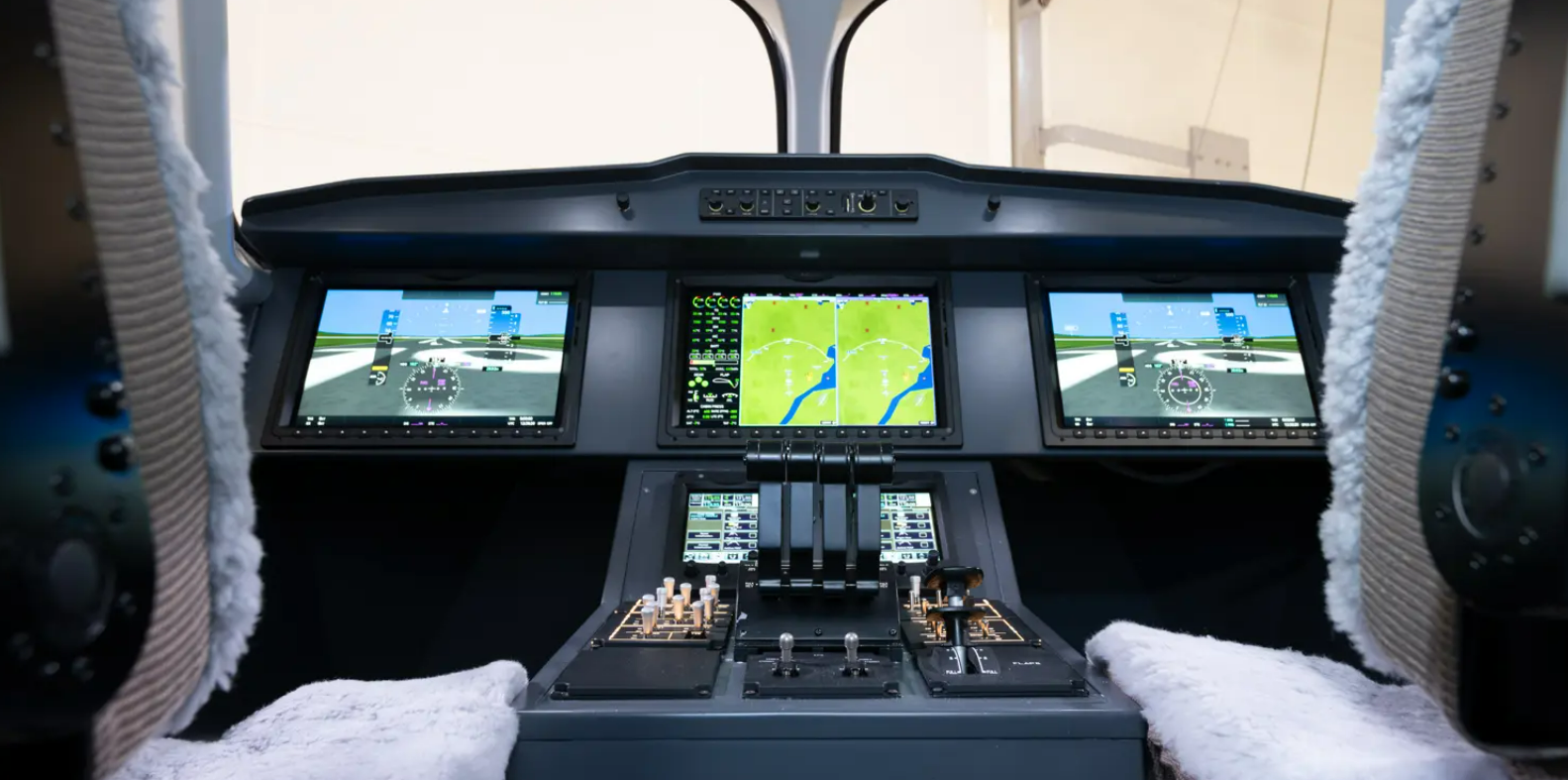
It's essentially an experimental plane that will be used to gather data to refine the ES-30, a larger model that Heart Aerospace hopes to turn into a commercial product, shipping dozens of passengers across the skies by 2031.
The first pre-production ES-30 is currently being developed in Los Angeles and the first test flights are set for 2028.
Perks of electric air travel
The appeal of this all-electric air travel is multifaceted.
Aviation contributes around 2.5 percent of worldwide carbon emissions. However, it also contributes to climate change in a number of more complex ways, such as the release of other gases and the production of water vapor trails in the sky. Switching to electric alternatives could significantly ease this burden.
Beyond the environmental case, cost is another compelling factor (and arguably even more convincing if you’re hoping to change people’s habits).
Jet fuel averaged $3.50 per gallon for the first week of August 2026, up 63 percent year over year, driven largely by the partial closure of the Strait of Hormuz and the geopolitical upsets in the Middle East.
Why electric aircraft have struggle to get off the ground
But as promising as the idea is, electric aircraft still face plenty of technical hurdles. The big problem is batteries, which are heavy, clunky, and decidedly imperfect for flying. It’s estimated that jet fuel contains around 30 times more energy per kilogram than some of the more advanced lithium-ion batteries from just a few years ago.
Even so, interest is mounting, and money is following. Big name investors, including Air Canada and United Airlines, have financially backed Heart Aerospace, and both have suggested the ES-30 could eventually join their commercial fleets, should the rest of these trials prove a success
“The energy transition for aviation will require a range of solutions, from operational efficiencies to sustainable aviation fuels, and ultimately the development of new aircraft technologies,” said John Di Bert, Executive Vice President and Chief Financial Officer of Air Canada.
“Electric commercial aircraft have real potential to deliver a better travel experience for passengers while strengthening our business, and we look forward to Heart’s continued development of the ES-30 and its potential future role in United’s network,” explained Michael Leskinen, Chief Financial Officer of United Airlines.