Technology
 PUBLISHED
 59
59


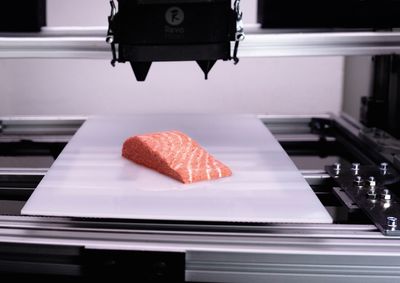


In a step towards a Cloudy with a Chance of Meatballs-esque future, 3D-printed vegan salmon can now be found on the shelves of Austrian supermarkets.
The alternative fish fillet, dubbed “THE FILET – Inspired By Salmon” by its creator, the food tech startup Revo Foods, is thought to be the first 3D-printed food to reach supermarket shelves. In a statement seen by IFLScience, the CEO of the company Robin Simsa said, “With the milestone of industrial-scale 3D food printing, we are entering a creative food revolution, an era where food is being crafted exactly according to the customer needs.”
Like some other meat replacement products, the salmon alternative is made from mycoprotein, which comes from filamentous fungi. As for its nutrition, the product contains a range of vitamins and – like its animal counterpart – omega-3 fatty acids. It’s also considered to be high in protein, at 9.5 grams per 100 grams, although this is still less than the protein content in the same amount of normal salmon.
Revo Foods worked together with another startup, Mycorena, to engineer mycoprotein specifically designed to be put through a 3D printer. Researchers have been working towards 3D-printed food products for several years, with creations ranging from laser-cooked cheesecakes to layered-up lab-grown meats.
Part of this push is down to the suggestion that printed food alternatives could make food production more sustainable, which is a particular concern in the fishing industry. An estimated 34 percent of global fish stocks are overfished, occurring when fish are caught faster than they can reproduce, meaning that populations decline.
Emissions are also a major issue in food production, which accounts for over a quarter of global greenhouse gas emissions – 31 percent of these emissions come from livestock and fish farms, and a further 18 percent from supply chain factors such as processing and transport. According to Revo Foods’ website, production of the vegan salmon fillet uses 77 to 86 percent less carbon dioxide and 95 percent less freshwater than the catching and processing of conventional salmon.
Whether the salmon alternative will fly off the shelves is yet to be seen. Revo Foods believes that the key to the success of such products “lies in recreating an authentic taste that appeals to the flexitarian market.”
Regardless of what happens, the commercial release of 3D-printed food could potentially mark a new era for food production.