Space and Physics
 PUBLISHED
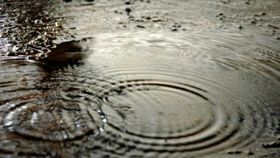


Fresh rain scent has been bottled in air fresheners, laundry detergents, and candles for years. This amazing aroma even has a proper name: petrichor. It was first used by Isabel Joy Bear and R. G. Thomas in a paper published in Nature in 1964, as a means to describe how rain makes the ground smell after a drought. But why does it smell so damn good outside after a rainstorm?
During dry periods, plants secrete oils into the ground. The longer the drought, the more oil that builds up. These oils mix with chemicals secreted by certain Actinobacteria, which live in the soil and require rain to help move their spores. When the rain finally falls, these chemicals are thrust into the air, creating that sweet petrichor.
Thunderstorms can also create another element of the rain’s fragrance through ozone. Lightning can split molecules of oxygen and nitrogen in the air, freeing them up to recombine and create the free radical nitric oxide. This can then form ozone, which is three oxygen molecules bonded together. In high concentrations, this can have a pungent smell, similar to chlorine. This is mainly attributed to the ability to “smell” when a storm is about to come.
If you love the smell of rain, you owe it all to plants, dirt, bacteria, and ozone.